From the Guardian · · 3m
Max's 113-year journey from skeleton to grave
A German immigrant's remains, displayed in an Australian museum for 80 years, finally receive a proper burial after a German visitor raised concerns about the indignity.
In brief
A German immigrant's remains, displayed in an Australian museum for 80 years, finally receive a proper burial after a German visitor raised concerns about the indignity. Max Dreyssig, a German immigrant whose skeleton was displayed at the South Australian Museum for 80 years, was finally buried in Adelaide on Saturday…
A skeleton on display
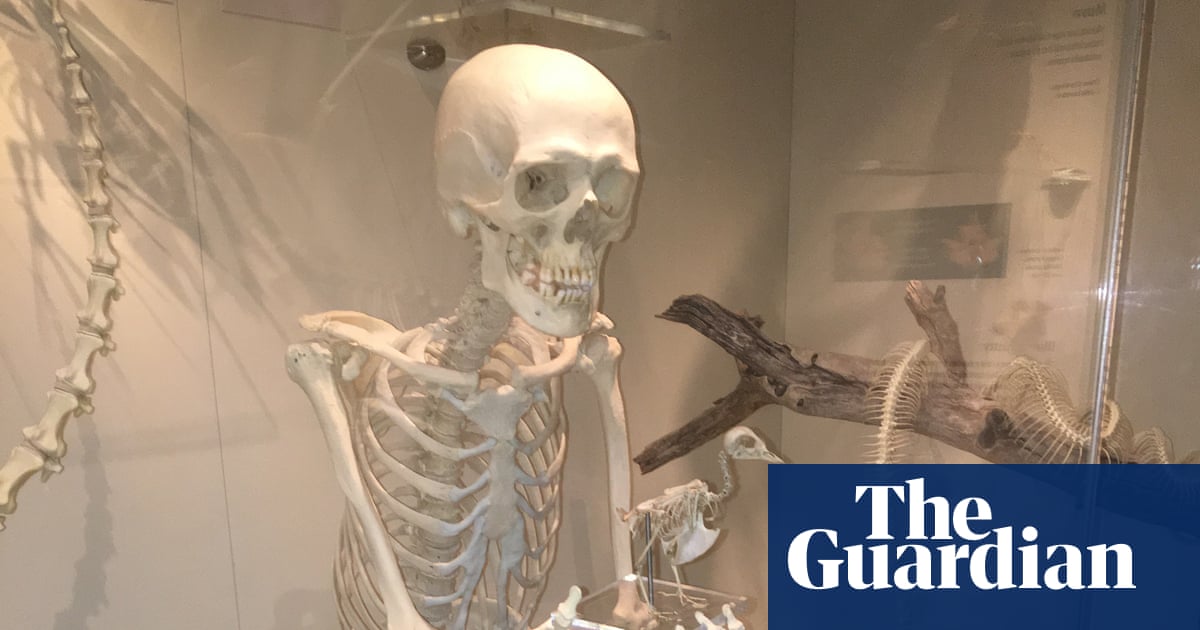
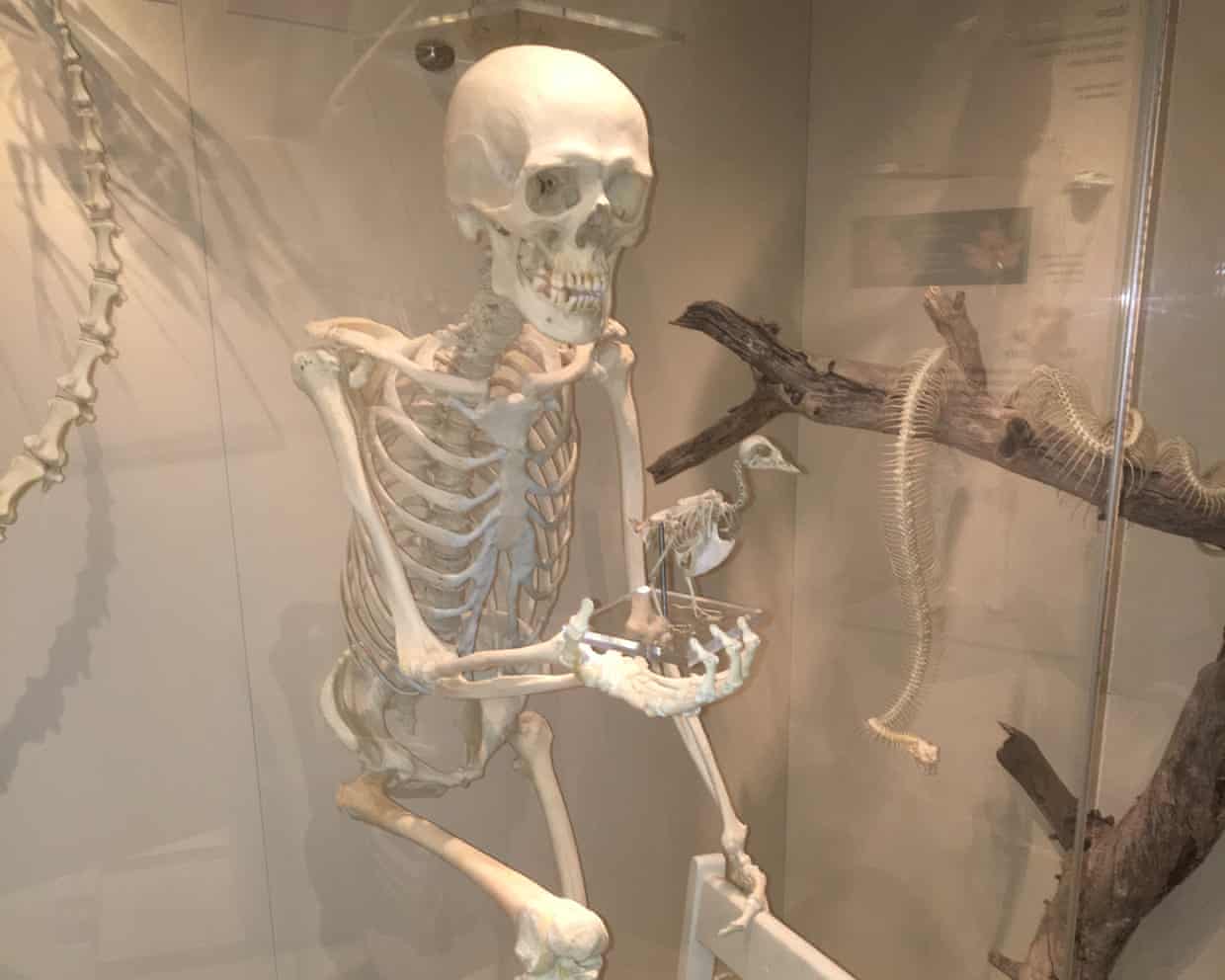
For almost eighty years, visitors to the South Australian Museum saw Max Dreyssig's skeleton posed with one leg on a chair, a bird skeleton perched on his outstretched hand.
Who was Max Dreyssig
Johann David Max Dreyssig was a German immigrant who earned the Iron Cross for bravery in the Franco-Prussian war of eighteen seventy to seventy-one and moved to Australia in eighteen eighty-five.
Death and the doctor
Dreyssig died of cancer, aged sixty-two, in nineteen thirteen and gave his body to his eccentric doctor, Professor Archibald Watson, who had him reduced to a skeleton.
Watson's dark past
Watson, a University of Adelaide anatomy professor, had been arrested for murder and blackbirding in the South Pacific, but slipped bail and went to Germany to study medicine.
Sold to the museum
Watson sold Max's skeleton to the South Australian Museum for ten pounds in nineteen twenty. A museum taxidermist named Joe Rau prepared the skeleton for display.
Decades on display
Dreyssig was put on display in nineteen forty-two during the second world war to teach students about human anatomy. He remained exhibited for decades alongside animal skeletons.
A diplomatic complaint
In two thousand nine, a German visitor complained to the German government about the indignity of Dreyssig's remains being displayed. He was removed from display in two thousand nineteen.
The museum's reckoning
The South Australian Museum acknowledged its practices had fallen short of standards of respect. Dr Rob Saint, chair of the museum's board, said the remains were treated as a specimen, not a person.
“his remains were treated as a specimen, an object of scientific interest, as an addition to the museum collection”
Finding no family
The museum and Adelaide's German community worked together to organise Dreyssig's burial. After months searching, they found no living relatives; the family line had ended in nineteen sixty.
Finally laid to rest
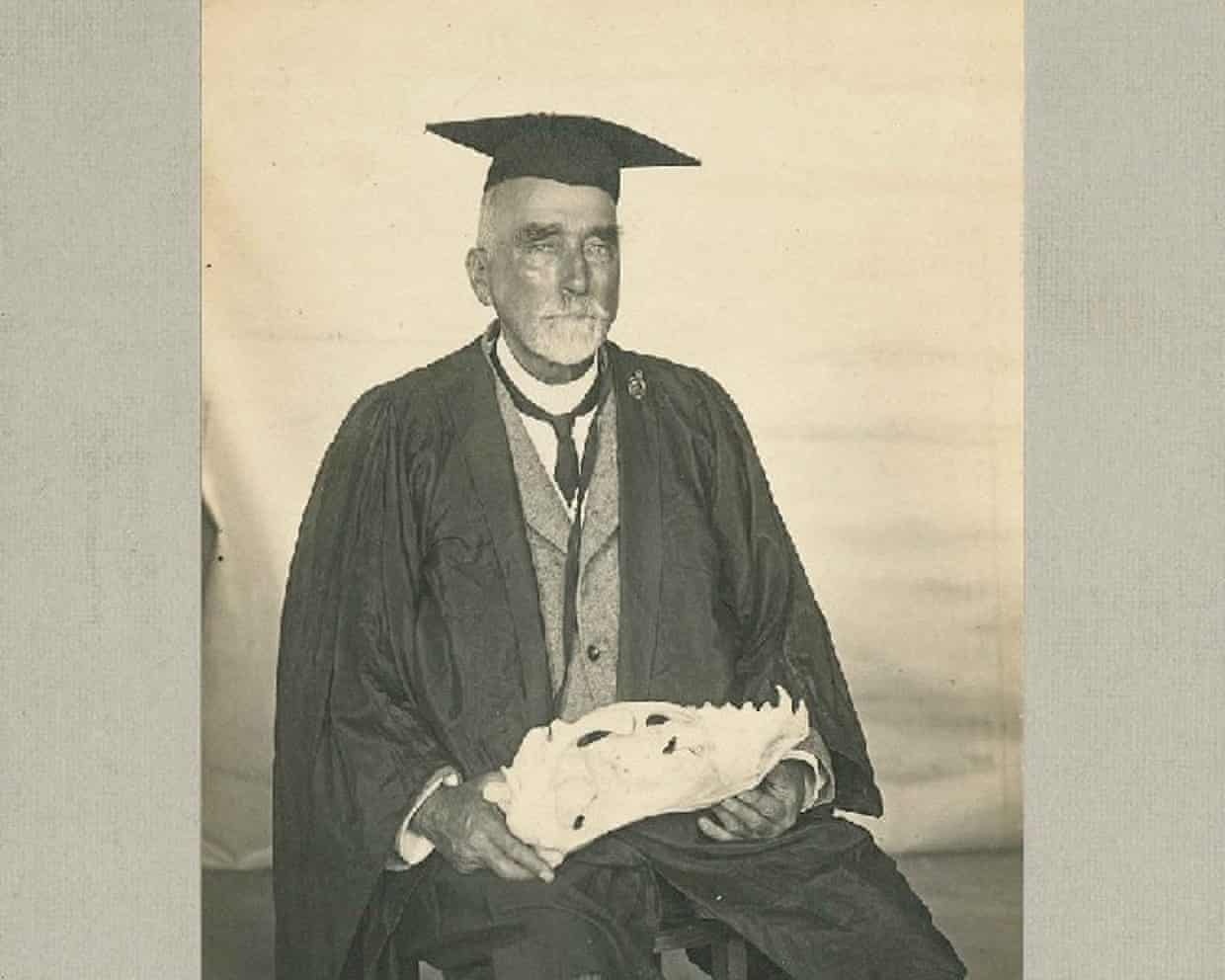
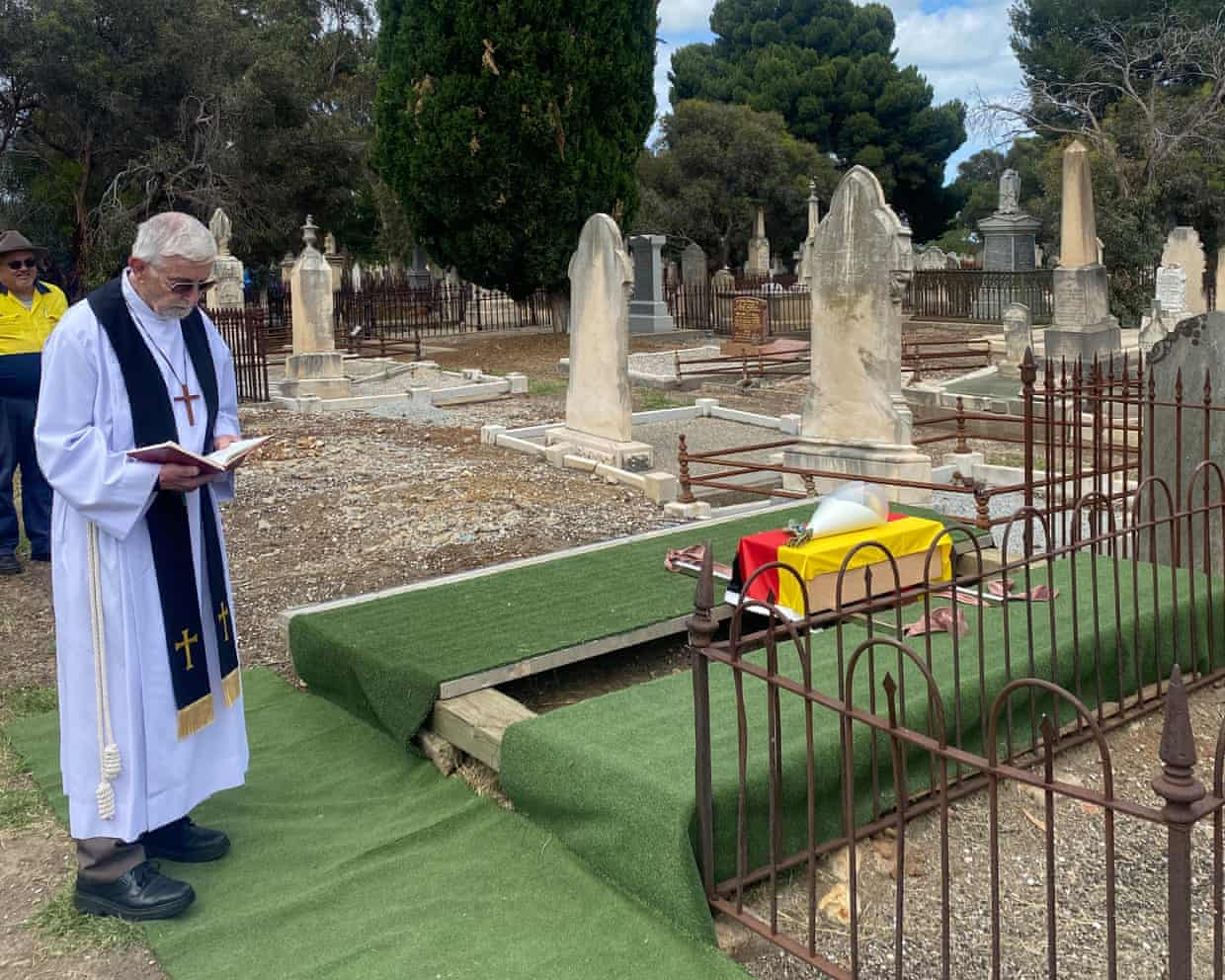
Dreyssig was buried on Saturday at West Terrace cemetery in Adelaide in a small casket draped with the German flag. A Lutheran pastor read the last rites before his grave was closed.
A wake and remembrance
About twenty people gathered at Adelaide's German Club for a wake to remember Dreyssig's life, his death, and the long journey that came after his remains were finally laid to rest.
The bottom line
Max Dreyssig, a German immigrant whose skeleton was displayed at the South Australian Museum for 80 years, was finally buried in Adelaide on Saturday with full honours.