From the Guardian · · 1m 40s
Mild anaemia in pregnancy leaves a mark on baby brains
A Cape Town study scanned 300 babies and found smaller brains in those born to anaemic mothers, and the gap kept growing.
In brief
A Cape Town study scanned 300 babies and found smaller brains in those born to anaemic mothers, and the gap kept growing. Even mild anaemia in pregnancy is linked to lasting differences in a baby's brain, so screening and iron treatment before and during pregnancy matter more than the word 'mild' suggests. Originally…
Smaller brains at one year
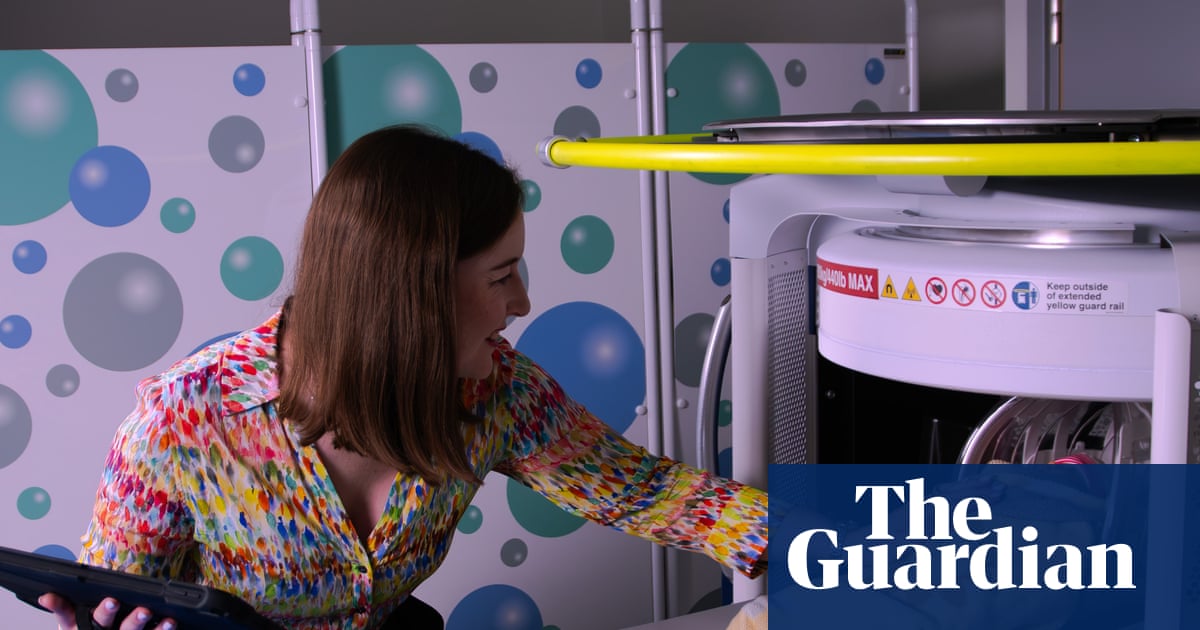
Babies born to anaemic mothers had total brain volume about 4% lower than babies of non-anaemic mothers. The difference showed up by the age of one.
A third of pregnant women
More than a third of pregnant women worldwide have anaemia, usually from iron deficiency. Rates are highest in sub-Saharan Africa and south Asia.
How they found it
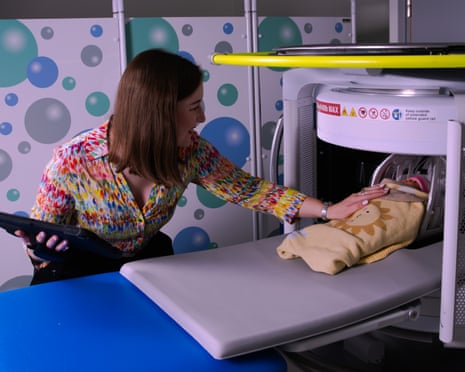
Researchers from King's College London and the University of Cape Town followed over 300 mother-baby pairs, scanning infant brains repeatedly between three months and two years.
Three regions hit hardest
The putamen, caudate nucleus and corpus callosum were all smaller. Those areas handle processing speed, emotion regulation and executive function.
“All three of these brain regions are implicated in key neuropsychological functions”
The gap widens, it does not close
The corpus callosum was 4% smaller at 12 months and 6% by 24 months. Earlier South African work found the same differences still present at age six.
“These aren't children who are catching up, where the brain differences are disappearing over time”
Mild was enough
Every anaemic mother in the study had only a mild diagnosis. The groups matched on household income and food security, which points to the anaemia itself as the cause.
Screen, then treat
Researchers want routine anaemia and iron screening in pregnancy, oral or IV iron where needed, plus infection care since HIV-positive women had higher rates. WHO progress has stalled for two decades.
“Now more than ever, anaemia needs to be placed at the forefront of public health efforts”
What matters most
Even mild anaemia in pregnancy is linked to lasting differences in a baby's brain, so screening and iron treatment before and during pregnancy matter more than the word 'mild' suggests.





