From the Guardian · · 2m
Nearly 4m enslaved people's records now searchable online
A digitised archive of 300,000 pages from 20 former British colonies lets descendants trace family histories through registers originally created to count them as property.
In brief
A digitised archive of 300,000 pages from 20 former British colonies lets descendants trace family histories through registers originally created to count them as property. Nearly four million records of enslaved people across twenty former British colonies are now searchable online, allowing descendants to uncover…
Nearly four million records go online
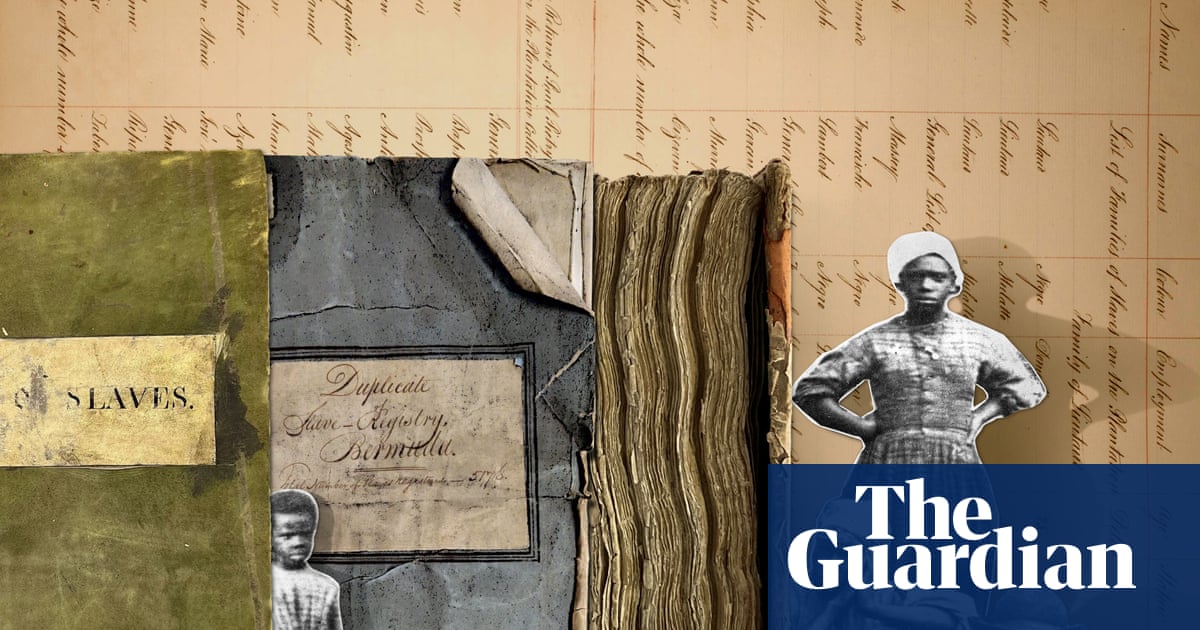
Nearly four million records documenting enslaved people across twenty former British colonies have been made searchable online for the first time by genealogy company Ancestry.
The archive covers 1813 to 1840
The Former British Colonies Enslavement Registers contain about three hundred thousand pages recording enslaved people between eighteen thirteen and eighteen forty, including the Bahamas, Barbados, Jamaica, Mauritius and Trinidad.
Why the British created these records
The registers were created by the British government after the abolition of the transatlantic slave trade in eighteen oh seven to prevent illegal trading and monitor the enslaved population.
What the records contain
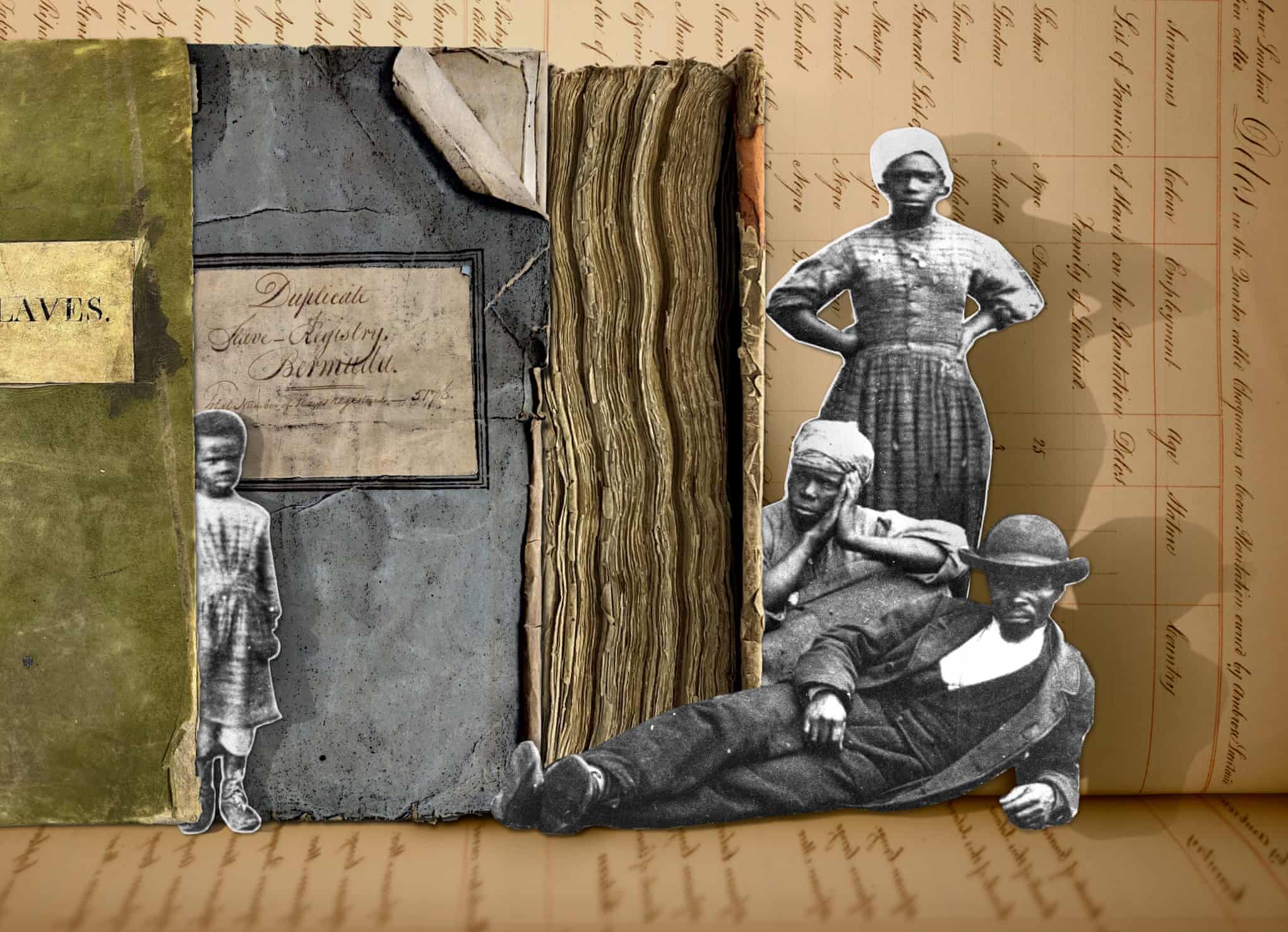
Entries include names, ages, physical descriptions, family ties, births, deaths and transfers of ownership. Some distinguish whether a person was born in Africa or in the Caribbean.
Records now serve a different purpose
Nicka Sewell-Smith, a professional genealogist at Ancestry, said records originally created to count enslaved people as property are now being used by descendants to reconstruct family histories and restore humanity.
“When I use these records to unearth my enslaved ancestors, I'm using them for a purpose that was different than what it was initially intended for. Our product is restoring the humanity of a person.”
The detail can be extraordinary
Some entries contain such precise information that researchers can pinpoint an exact birthday for an enslaved baby, and the digitisation removes the barrier of needing to visit the National Archives in London.
“You can pinpoint an exact birthday for an enslaved baby.”
Millions of descendants can now search
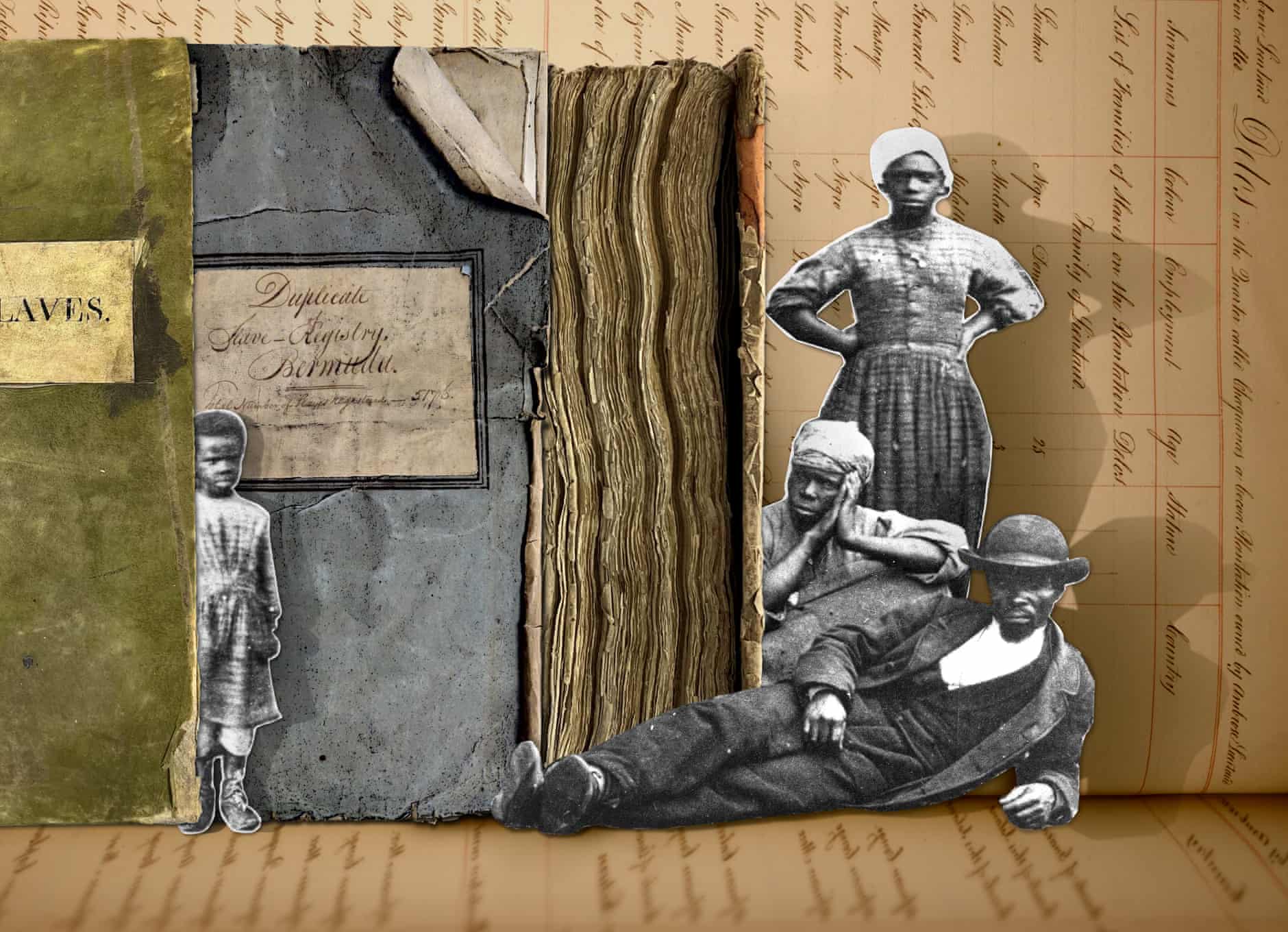
Sewell-Smith said there are potentially millions of people descended from enslaved people in the archive, and descendants can now search simply by entering a name into an Ancestry account.
Researchers can trace families across generations
Prof Matthew J Smith, director of the Centre for the Study of the Legacies of British Slavery at University College London, said researchers testing the data in Jamaica traced some families across six generations.
The archive opens new possibilities
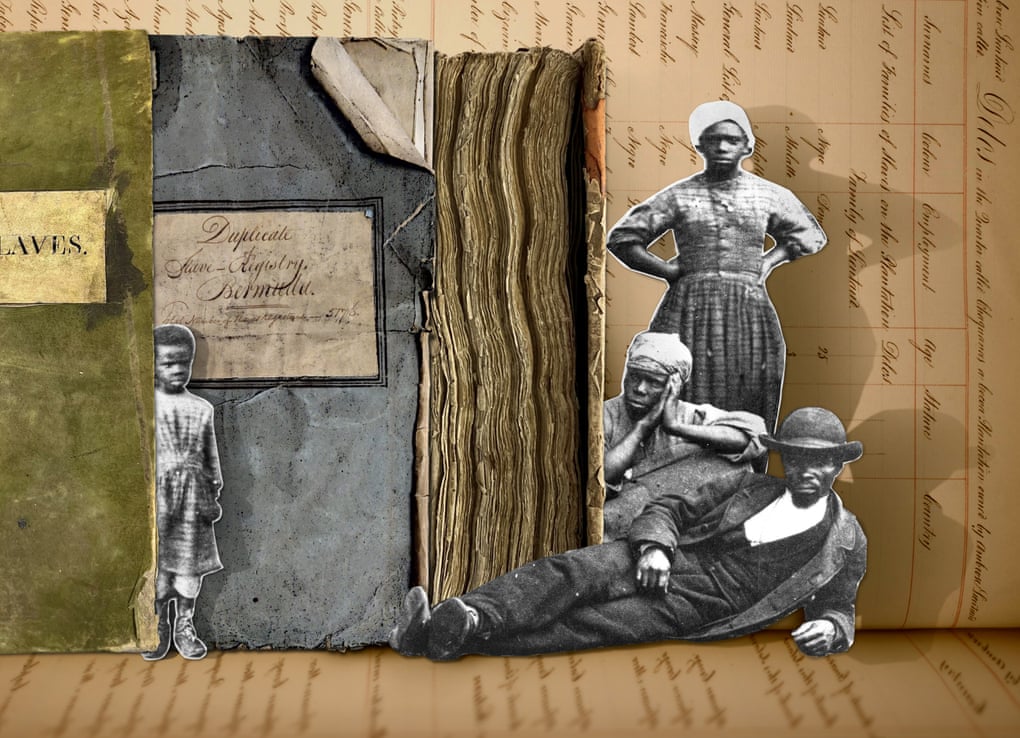
Smith said the records allow researchers to recover family stories, community stories, stories of survival and resistance. Descendants across the African diaspora, including in the US and Latin America, can now connect with their heritage.
“It opens up a whole new way for descendants of enslaved people in the Caribbean, across the African diaspora, to understand how their heritage came to the Caribbean and survived slavery.”
At a glance
Nearly four million records of enslaved people across twenty former British colonies are now searchable online, allowing descendants to uncover family histories through archives originally designed to monitor enslaved populations as property.





