From the Guardian · · 1m 30s
Patricio Guzmán, Chile's documentary conscience
The legendary filmmaker who spent decades documenting the Pinochet regime's brutality has died at 85.
In brief
The legendary filmmaker who spent decades documenting the Pinochet regime's brutality has died at 85. Guzmán's unflinching films transformed personal trauma into poetic cinema that held power accountable across generations. Originally reported by the Guardian.
Legendary Chilean filmmaker dies
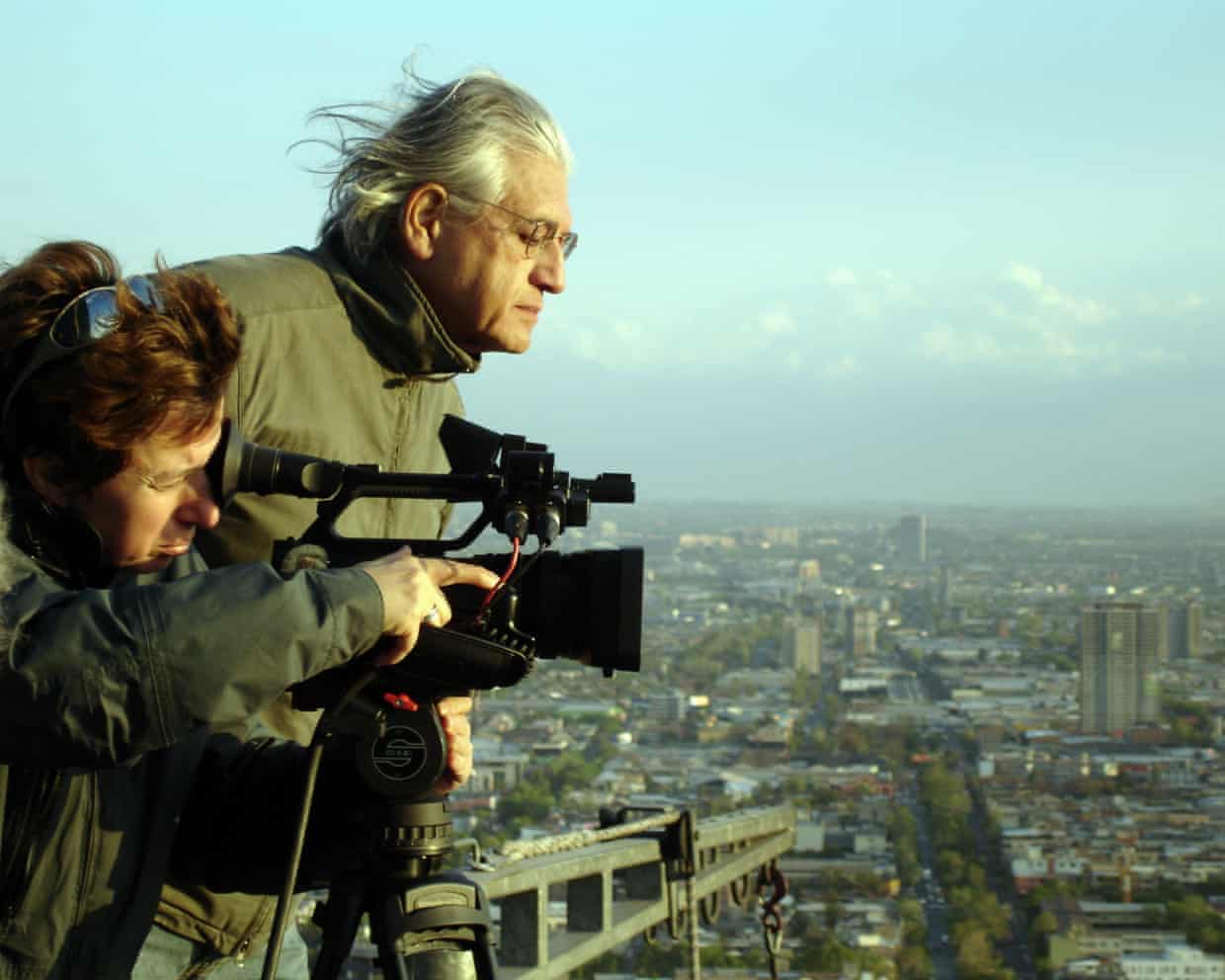
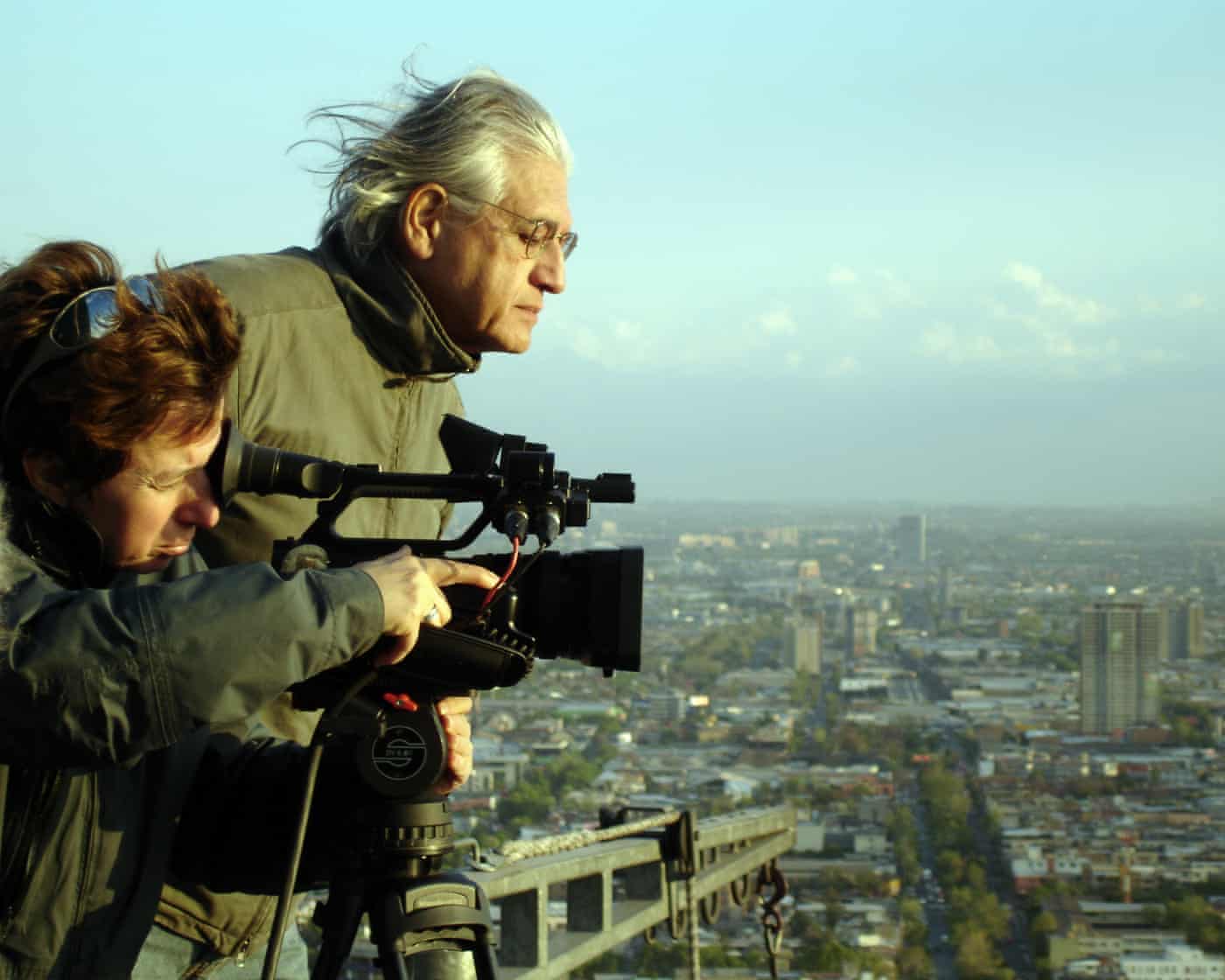
Patricio Guzmán, who spent his career documenting Chile's political trauma under Pinochet's dictatorship, died in Paris on Tuesday at 85 from cardiorespiratory arrest.
Marked by dictatorship forever
Guzmán told the Guardian that Pinochet's 1973 coup against elected president Salvador Allende shaped everything he made. He said the trauma "has remained with me for ever. I cannot leave it behind."
“I'm a film-maker who was very marked by the ways of the dictator. It has remained with me for ever.”
The Battle of Chile captured brutality
His monumental documentary chronicled Pinochet's coup and Allende's suicide, including footage of cameraman Leonardo Henrichsen being shot dead while filming. Guzmán completed it in exile across the 1970s.
Colleagues paid the ultimate price
Cinematographer Jorge Müller and his girlfriend Carmen Bueno were arrested, tortured and disappeared in 1974. French filmmaker Chris Marker helped Guzmán by supplying film stock and connections.
Poetry from trauma and landscape
After exile, Guzmán made films exploring Chile's past through its natural beauty, including Nostalgia for the Light, The Pearl Button, and The Cordillera of Dreams. His final film covered 2019 street protests.
Not activist, but interpreter
Guzmán resisted being called a political filmmaker, saying he was neither a sociologist nor politician. Instead, he made "films that are metaphorical and poetic" that interpreted reality through his personal vision.
“I'm not a sociologist. Neither am I a politician. I make films that are metaphorical and poetic.”
The key point
Guzmán's unflinching films transformed personal trauma into poetic cinema that held power accountable across generations.





