From the Guardian · · 4m
Sister finds brother buried in unmarked pauper's grave
Roger Davies was buried in a communal plot with four strangers after dying homeless in Sydney. His family were never told where he was.
In brief
Roger Davies was buried in a communal plot with four strangers after dying homeless in Sydney. His family were never told where he was. A Guardian investigation found Roger Davies, a homeless man who died in Sydney in 2015, buried in an unmarked communal grave at Rookwood cemetery without his family's knowledge…
A quiet corner holds a secret
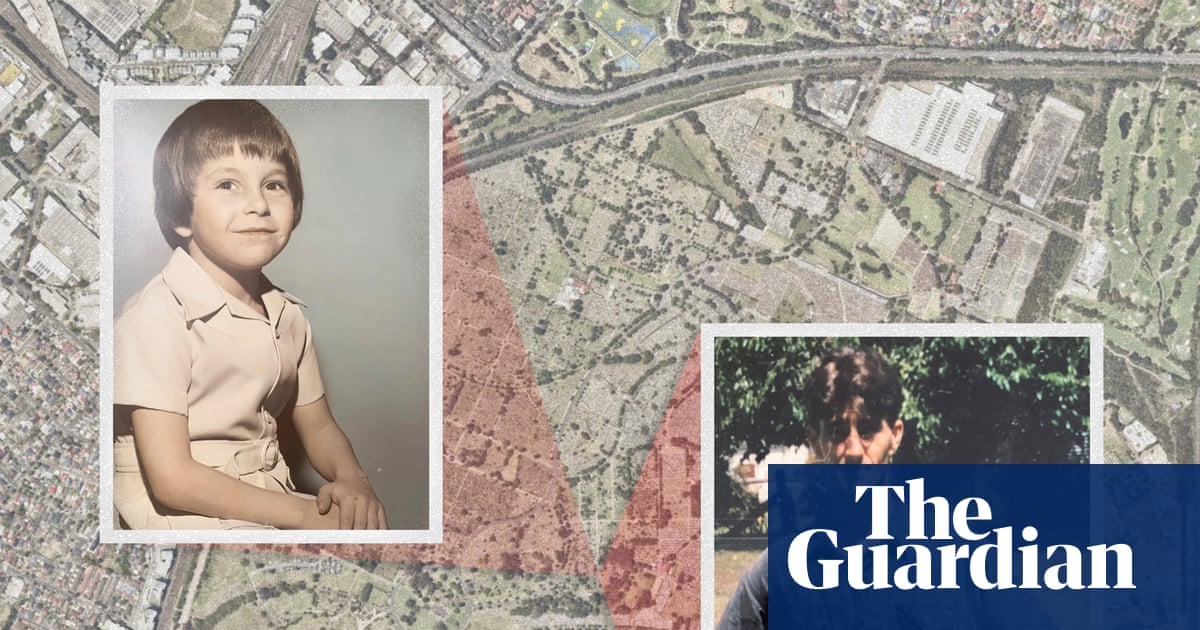
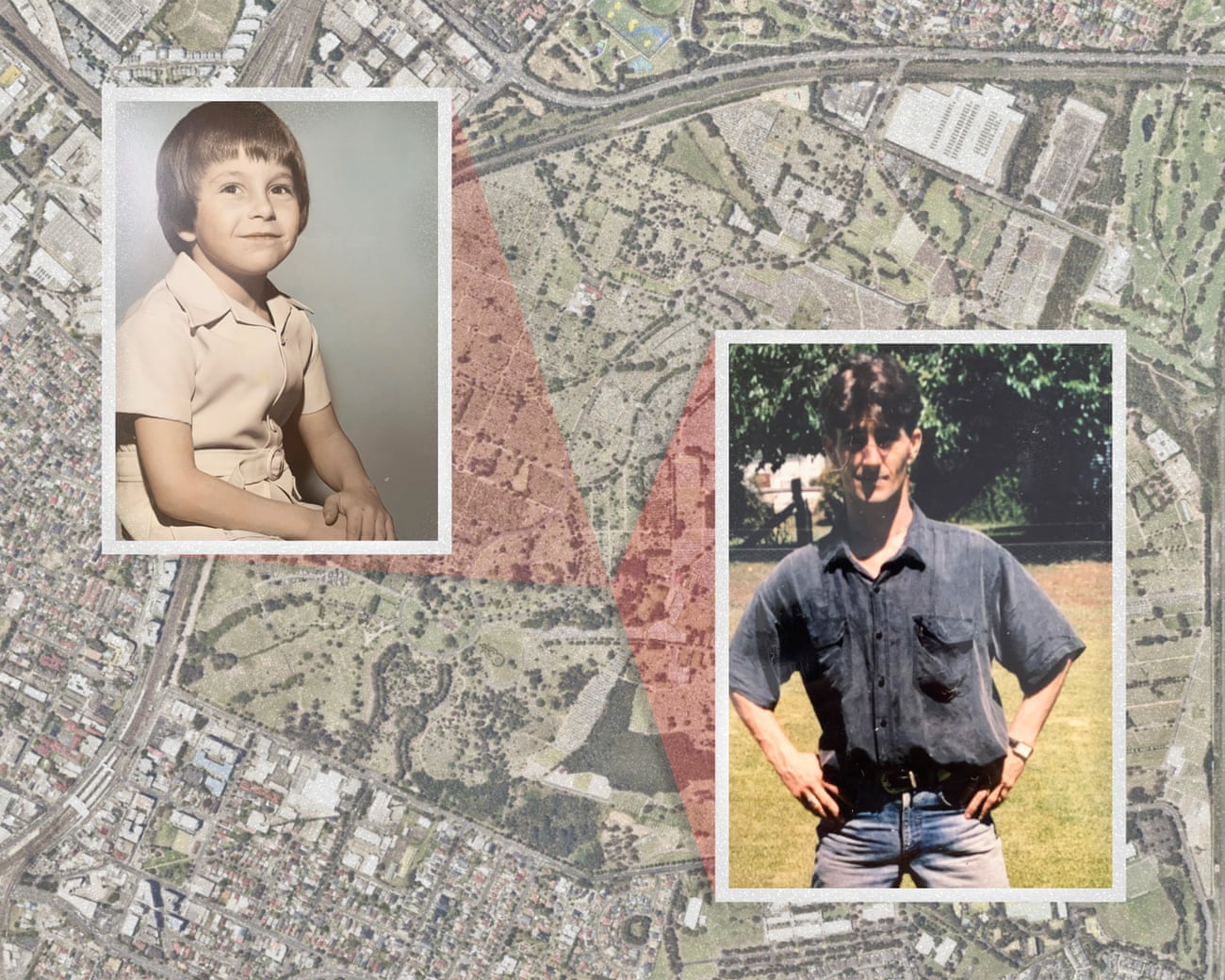
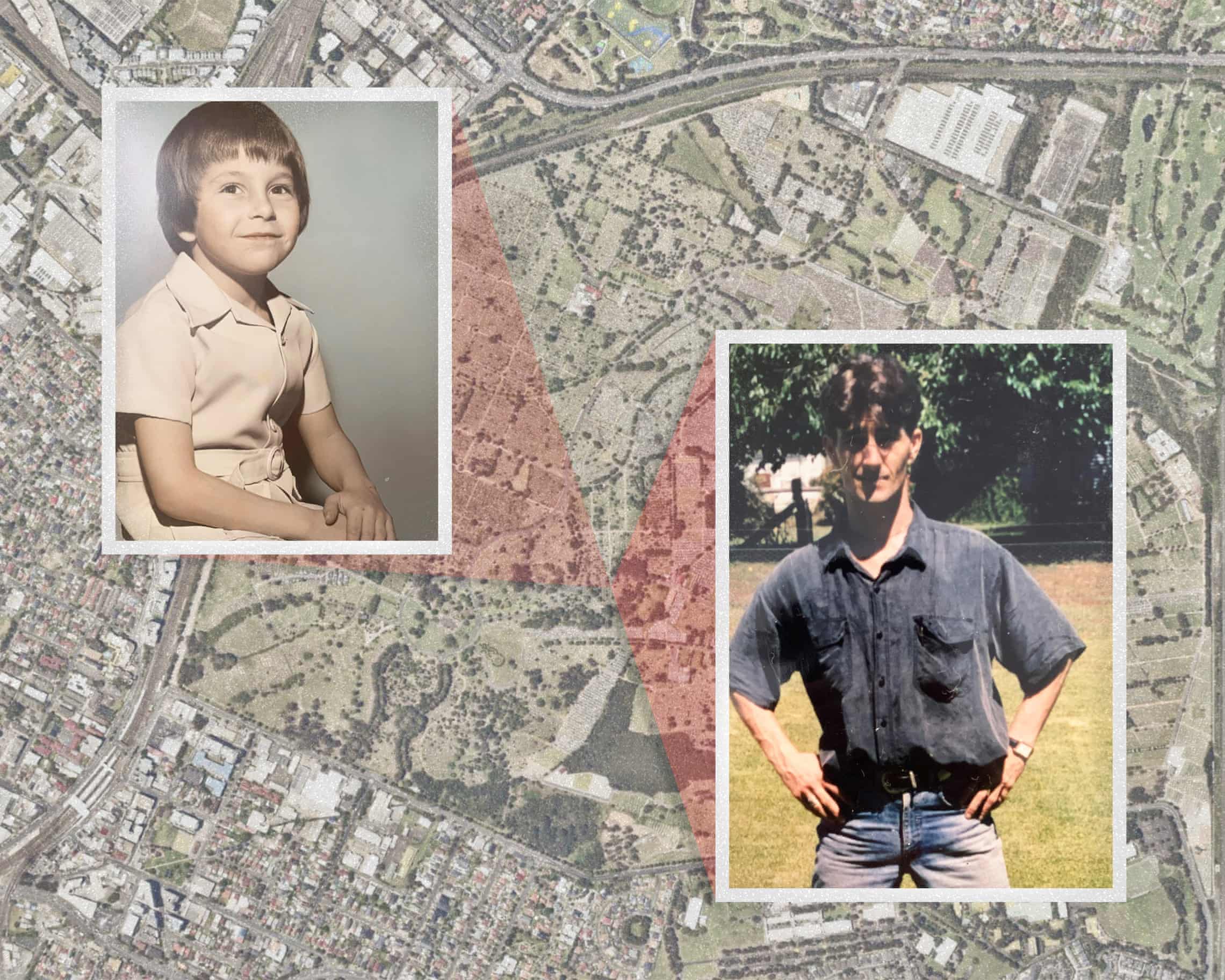
In October 2015, Roger Davies and four strangers were buried in a communal plot at Rookwood cemetery in western Sydney by the NSW government. The grass above is kept trimmed. There is no sign.
A rough sleeper forgotten for years
Davies was a homeless man whose body lay undiscovered in an abandoned Sydney house for three years before it was found in 2015.A postmortem found fractures to nine ribs about the time of his death.
Family kept in the dark for years
Davies' family were told nothing of his death for more than two years after his body was found, neither by police nor by the state government.
Sister learns the truth too late
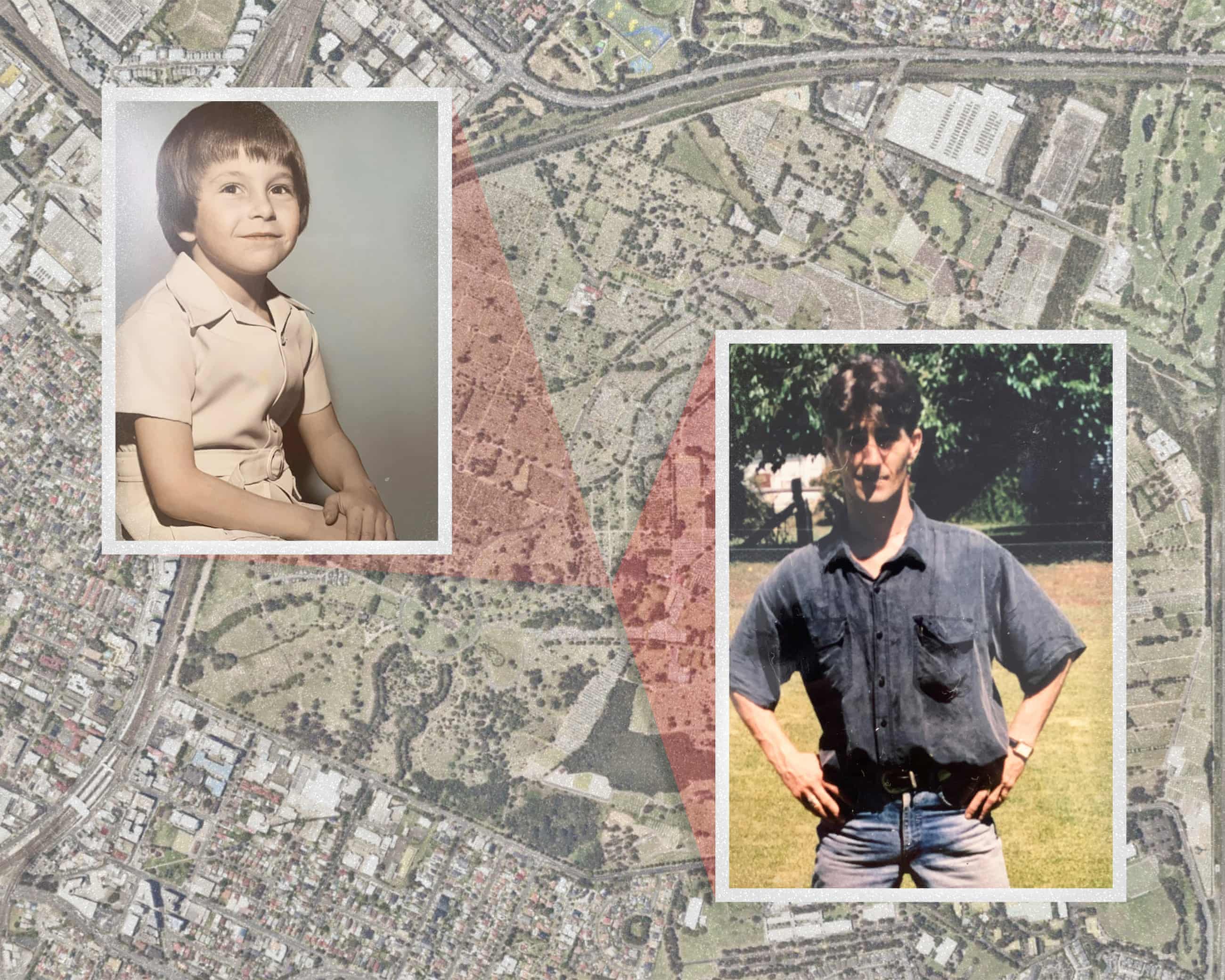
Chantel Dubsky, Roger's sister, discovered he had been placed in a pauper's grave before she even knew he was dead. Police first called South Australian counterparts seeking a family contact on twenty November twenty seventeen.
“He had been put in a pauper's grave by the time we found out … before we even found out that he was deceased.”
No closure, no choice, no care
Dubsky had no idea where her brother was buried.She says there was no closure and no one cared until the Guardian's investigation.
“There was no closure, there's never going to be any closure. And up until now with you, there's no one who's cared.”
A nephew's loss of opportunity
Dubsky's two sons, James, eighteen, and Lucas-Jòsef, fifteen, say they were robbed of an opportunity to get to know their uncle Roger because he was denied safe housing and died while sleeping rough.
A pattern of systemic failure
A three-month Guardian Australia investigation found repeated instances of NSW authorities failing to give friends, family and organisations associated with the deceased proper chance to fund a burial or cremation.
At least eighteen homeless clients buried
Using evidence from homelessness workers, cemetery registry analysis and satellite imagery, the Guardian established that at least eighteen clients of Sydney homelessness services have been put in communal unmarked graves since twenty sixteen.
Sector leaders say they were shut out
Homelessness service managers say they were never made aware of the practice and were not given the opportunity to intervene and pay for burials. One manager called the practice diabolical, medieval and unacceptable.
“Words that come to mind are diabolical, medieval, unacceptable. These people deserve the same dignity and care at their end of life that I would expect for myself or my loved ones.”
Police say details were not current
NSW police said they made repeated attempts to contact Davies' family members after his death but could not because personal details were not current at the time.
Victoria uses DNA and genealogy
Victoria does not use communal or unmarked graves. Instead, it uses DNA sampling and international genealogy databases to find relatives. A dedicated team at the Victorian Institute of Forensic Medicine handles such cases.
Genetic genealogy as a last resort
Dr Dadna Hartman, manager of the molecular biology laboratory at the Victorian Institute of Forensic Medicine, says forensic investigative genetic genealogy, or Figg, is expensive and resource intensive.
Figg could identify those already buried
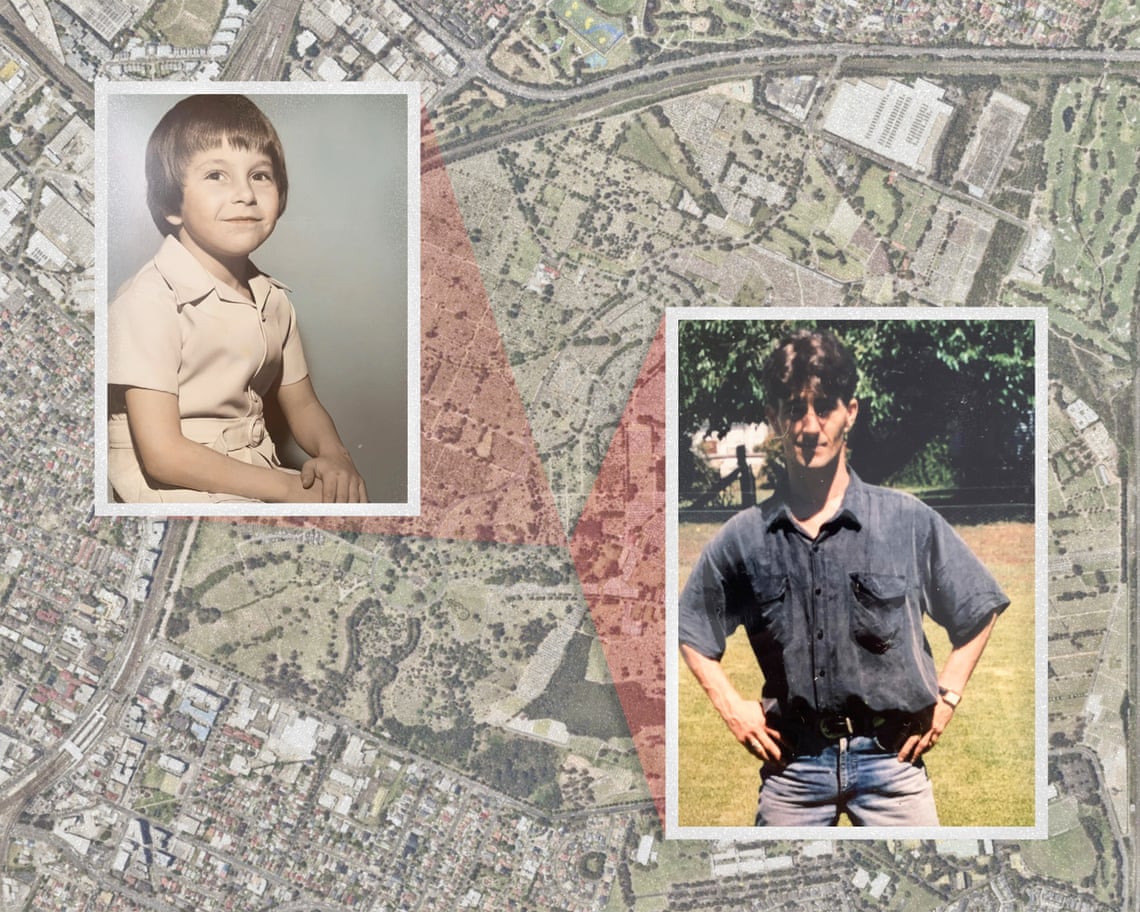
Figg could also be used to analyse and develop identification leads for people previously buried unidentified in paupers' graves. Families may then wish to mark the grave or move the remains to a different plot.
A brother remembered, a system exposed
Dubsky remembers Roger as kind and protective.She says he lost his way after family trauma and military discharge.He was someone's son, someone's brother.The Guardian's investigation has exposed how NSW failed him in death.
“He wasn't just someone off the street, he was someone's son, he was someone's brother. He was my brother.”
The big picture
A Guardian investigation found Roger Davies, a homeless man who died in Sydney in 2015, buried in an unmarked communal grave at Rookwood cemetery without his family's knowledge, exposing systemic failures by NSW authorities to notify relatives before destitute burials.





