From the Guardian · · 3m
The fight to keep France's village bistro alive
Two French cafes a day are closing, and with them goes the only place a village still gathers.
In brief
Two French cafes a day are closing, and with them goes the only place a village still gathers. A village bistro is infrastructure, not hospitality. When it shuts, there is nowhere left for people to simply run into each other. Originally reported by the Guardian.
Every table taken
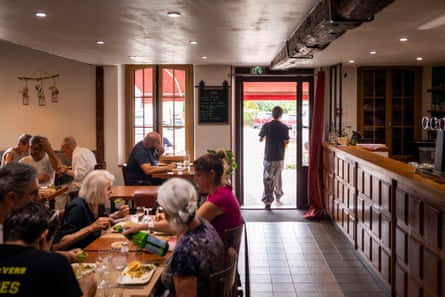
Just past noon in Saint-Martin-sur-Ouanne, northern Burgundy, the Au Bon Accueil cafe-bistro is full. Three courses, steak and chips or lasagne, for 18 euros.
Reopened after eight months
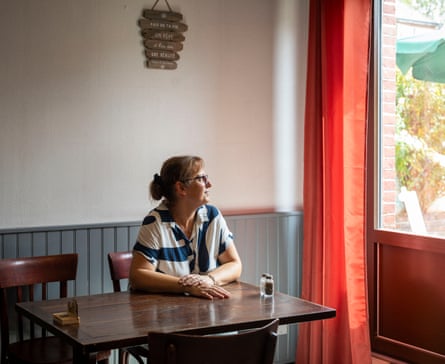
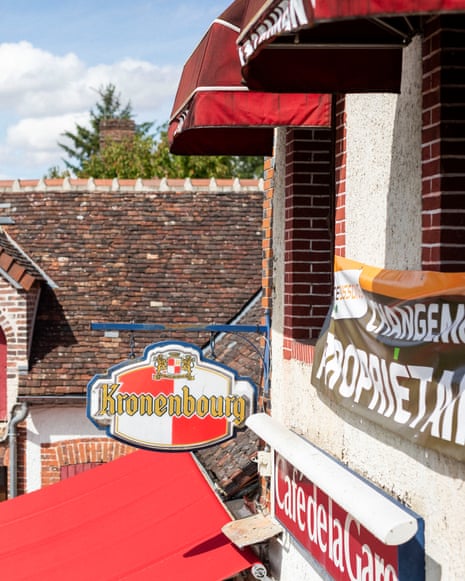
The place used to be the Cafe de la Gare. It sat dark for eight months before reopening, and the village has decided it is not closing again.
“It's so important to have a cafe-bistro in a village like this. We couldn't let it stay closed”
The last business standing
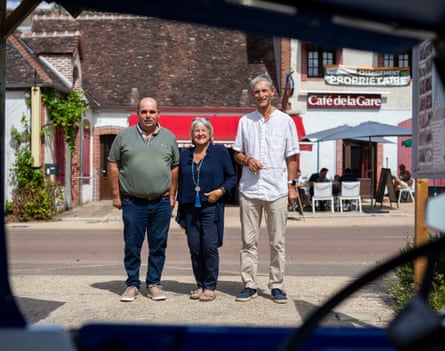
The council team, including farmer and mayor Herve Chapuis, saved the village's only public-facing business. The boulangerie across the road shut eight years ago.
“Now, village life has returned to its proper rhythm.”
Half a million down to 30,000
France had an estimated 500,000 cafe-bistros in 1900. More than half were gone by the 1960s. Around 30,000 to 40,000 remain, reportedly closing at two a day.
Villages left like deserts
Alain Fontaine, who runs Le Mesturet near the Paris stock exchange and heads France's bistro association, says closures strand rural people, especially the elderly.
“In losing our local bistros, cafes and restaurants, we are losing part of the French life balance.”
Three forces, one result
Rural populations have fallen for fifty years. Screens keep people home at night. The average French person drinks 80 litres of alcohol a year, down from 200 in the 1960s.
Nobody wants the job
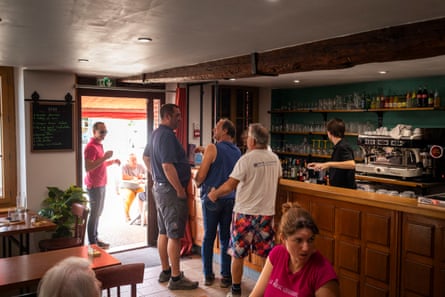
Finding anyone willing to run a village bar is now its own problem. Fontaine wants bistros submitted to Unesco as intangible cultural heritage, hoping recognition draws new owners in.
“In bistros and cafes, people don't just eat and drink, they catch up with each other, meet new people, debate, laugh, read, write and sometimes fall in love.”
Run by volunteers now
Solene Joucla faced closing her family's Grand Cafe at Camplong, open since 1898, or quitting teaching. She and her sister Katell formed an association and staffed it with volunteers.
“We are the cultural centre of the village.”
A daily fight to open
Camplong has 220 people, and three years of post-Covid closure made a buyer impossible to find. Joucla says staying open is a struggle repeated across the country.
“We're fighting to keep its place at the heart of the village, but it's a daily challenge just to stay open.”
The senate noticed
A 2023 report urged the government to ease rules on small rural cafes, hotels and restaurants, finding they underpin economic vitality and social cohesion.
Sixty percent have nothing
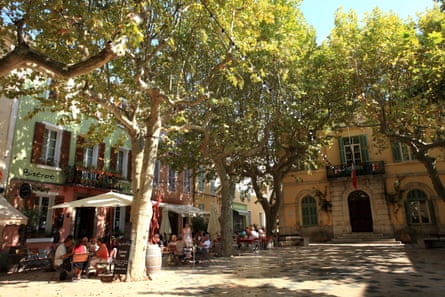
The 1,000 Cafes association, born from the gilets jaunes protests, found more than 60% of rural villagers have no local commerce at all. Many feel abandoned.
Cafes that sell milk too
Director Camille Sebaux says 1,000 Cafes has worked with over 300 communities, helping bars stock groceries or act as parcel pickup points.
“We don't have any magic wand or miracle answer.”
Not every village gets one
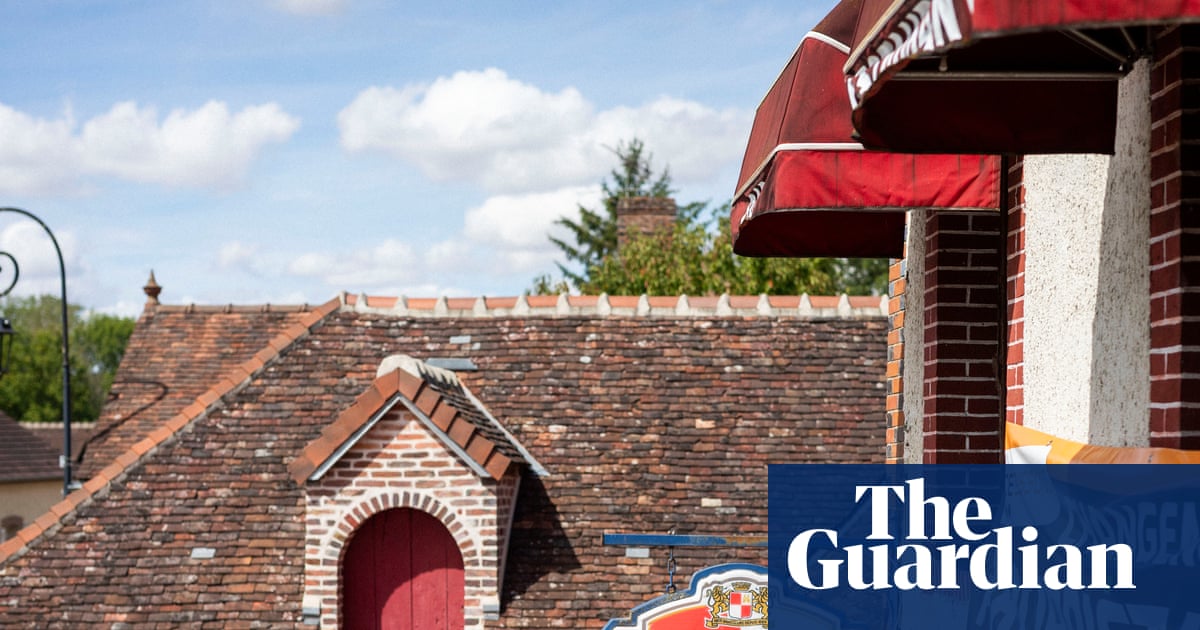
Mayor Aurelien Pecot ran a bistro for seven years. His authority put 25,000 euros into Au Bon Accueil, but he is blunt that taxpayer money cannot save every village cafe.
“The cafe-bistro was their point of reference. If it disappears, there is nothing for them.”
The essence
A village bistro is infrastructure, not hospitality. When it shuts, there is nowhere left for people to simply run into each other.





