From the Guardian · · 2m
US wheat farmers caught between high prices and harsh reality
Drought, geopolitics and soaring input costs are squeezing American wheat farmers even as prices hit three-year highs.
In brief
Drought, geopolitics and soaring input costs are squeezing American wheat farmers even as prices hit three-year highs. Higher wheat prices alone won't save US farmers without average yields or better, because input costs have risen sharply and structural factors keep pushing them toward corn and soybeans instead…
Wheat prices soar, but farmers stay cautious
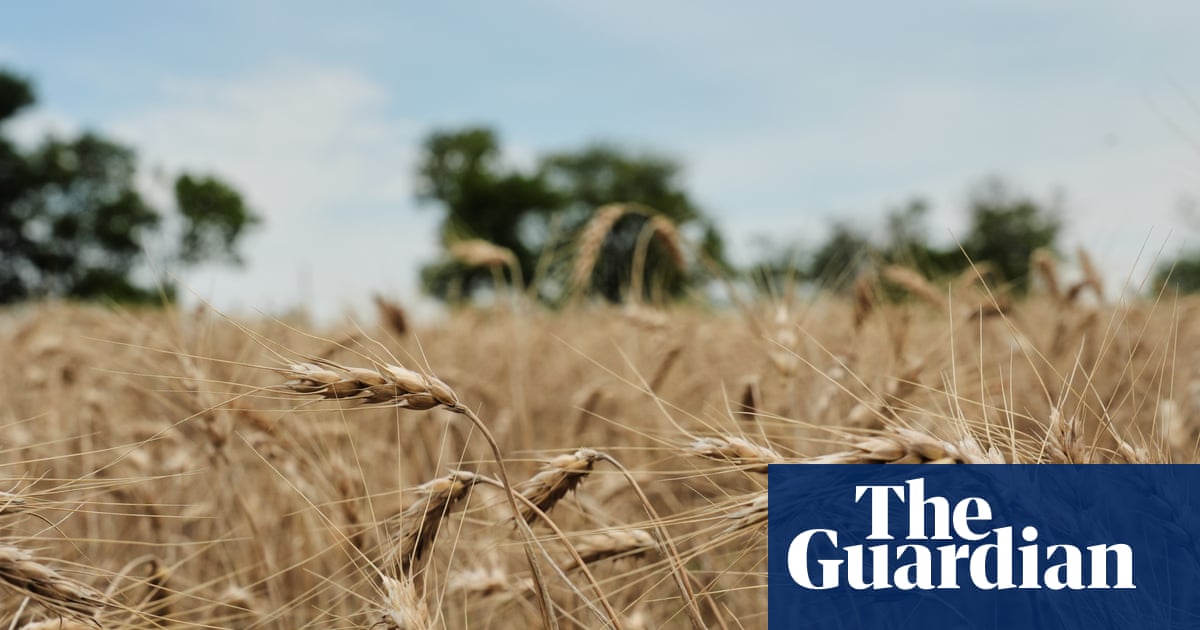
Bread-type wheat futures are up 39%, hitting three-year highs. Yet Kansas farmer Merrill Nielsen is unsure if he'll plant more, worried about record diesel costs and the drought that wiped out his entire spring crop.
“We're not looking to plant any more wheat than we probably normally would, or maybe we won't even plant that much.”
El Niño threatens global wheat supplies
A super El Niño this year is expected to damage harvests across the US and Europe. Wheat supplies in key exporting countries are already at their second-lowest levels on record, with Australia's plantings down 12%.
“There are some alarming signals about the impact of weather on wheat crops.”
Black Sea blockade cuts off major exports
Russian attacks on Black Sea port facilities have disrupted grain shipments from a region that handles one-third of global wheat trade. Only 35 to 50% of that wheat may find alternative routes, at higher cost and slower speed.
Global food prices could spike further
The combination of weather-damaged harvests and disrupted exports could push global food prices even higher than current levels. The UN Food and Agriculture Organization's food price index was already up 2.5% year-over-year in August.
“The spike in wheat prices has tentacles that go far beyond the war between the Ukrainians and Russians.”
US farmers expected to plant more wheat
Seeking to capture higher prices, US farmers are expected to expand wheat plantings by about 10% this winter. But harvested acreage has been at its lowest since 1877 as farmers prefer the economics of corn and soybeans.
Farmers need average yields or better
Even with higher prices, farmers need average yields or better to break even given soaring input costs. Without decent weather, the math doesn't work, and seeds won't even germinate in the current drought conditions of the southern Great Plains.
“If you can't even get it up, I mean, you're just screwed.”
Trade wars add to farmer pain
Ongoing trade wars have exacerbated input price spikes that farmers must absorb. Wheat seed seller Vance Ehmke says farmers bear the cost of policies beyond their control, making profitability even harder to achieve.
“We are the ones that get hurt by those policies.”
The big picture
Higher wheat prices alone won't save US farmers without average yields or better, because input costs have risen sharply and structural factors keep pushing them toward corn and soybeans instead.





