From the Guardian · · 2m
Young owners cheering their own losses
Some recent Australian buyers are watching their home values slide and saying the pain is worth it if more people get in.
In brief
Some recent Australian buyers are watching their home values slide and saying the pain is worth it if more people get in. A group of new owners would rather eat a paper loss than lock in a country split between forever renters and landlords. Originally reported by the Guardian.
Worst possible timing

Alex Hogan and his partner Maxine are deciding whether they can afford another child. Prices are sliding just as the cost of building on their block climbs.
Priced out, so they built
Locked out of the established market in Queensland, the couple bought land instead. Now construction costs are eating the options they thought they had.
Go further anyway

Hogan is losing value and still wants the government to push harder on affordability, because he thinks the political window closes fast.
“If you don't seize that momentum when there's a push for it, then things can just go back to bubbling away under the surface”
Better than two tiers
He is one of several recent buyers willing to absorb the hit if it narrows the gap between renters and the people who own their homes.
“It might end up sucking. But it's better than having a two-tier society.”
Down 3.6 and counting

National prices have fallen 3.6% from this year's peak, led by Sydney. Some analysts forecast falls past 10% if a fourth rate hike lands.
Who actually loses
Long-term owners banked a 26% surge in the three years to March. The buyers who missed that boom are the ones feeling this drop.
Paint on the walls
Melbourne junior doctor Eibhlinn Cassidy, 30, faces a repayment spike at refinancing next year and still prefers it to renting under weak tenant rights.
“I consider it a really small price to pay for a long overdue adjustment in the market that will let more people get in.”
A paper loss is theoretical
KPMG economist Terry Rawnsley says most recent buyers won't refinance soon and can wait it out. Prices should climb again once the RBA cuts, likely in 2028.
“If you don't have to sell at this point in time, that paper loss is just a theoretical one”
The tax settings unwound
Homes became wealth-building assets after the price surge of the 90s and early 2000s, built on investor tax breaks. Scrapping negative gearing for new investors reverses that pull.
The accidental landlord
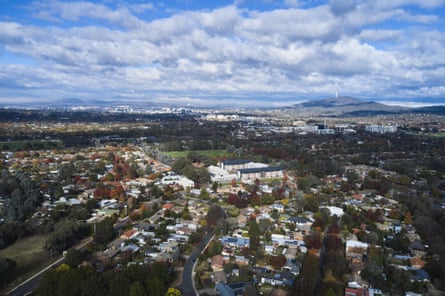
Remy Coll, 37, bought in Canberra's inner north using his outer-suburbs house as collateral. The reforms landed a week later and he could no longer sell it.
“I do not want to be a landlord. I do not want to contribute to the problem of rentals.”
Still the right call
Coll is carrying two mortgages and working extra hours away from his kids. He thinks the pain buys a future where people can buy in their early 30s again.
“as long as real estate grows by a small amount [and] peoples' wages grow more ... people will be able to, in their early 30s, start to afford a house again”
In short
A group of new owners would rather eat a paper loss than lock in a country split between forever renters and landlords.





