From Ars Technica · · 2m
Bubbles the dolphin has a gross feeding trick
A bottlenose dolphin off Australia chases fish until they vomit, then eats the regurgitated meal.
In brief
A bottlenose dolphin off Australia chases fish until they vomit, then eats the regurgitated meal. Dolphins aren't the friendly animals we imagine. Bubbles demonstrates that they're clever predators willing to use stress and harassment to steal food from other species. Originally reported by Ars Technica.
Meet Bubbles, the troublemaker
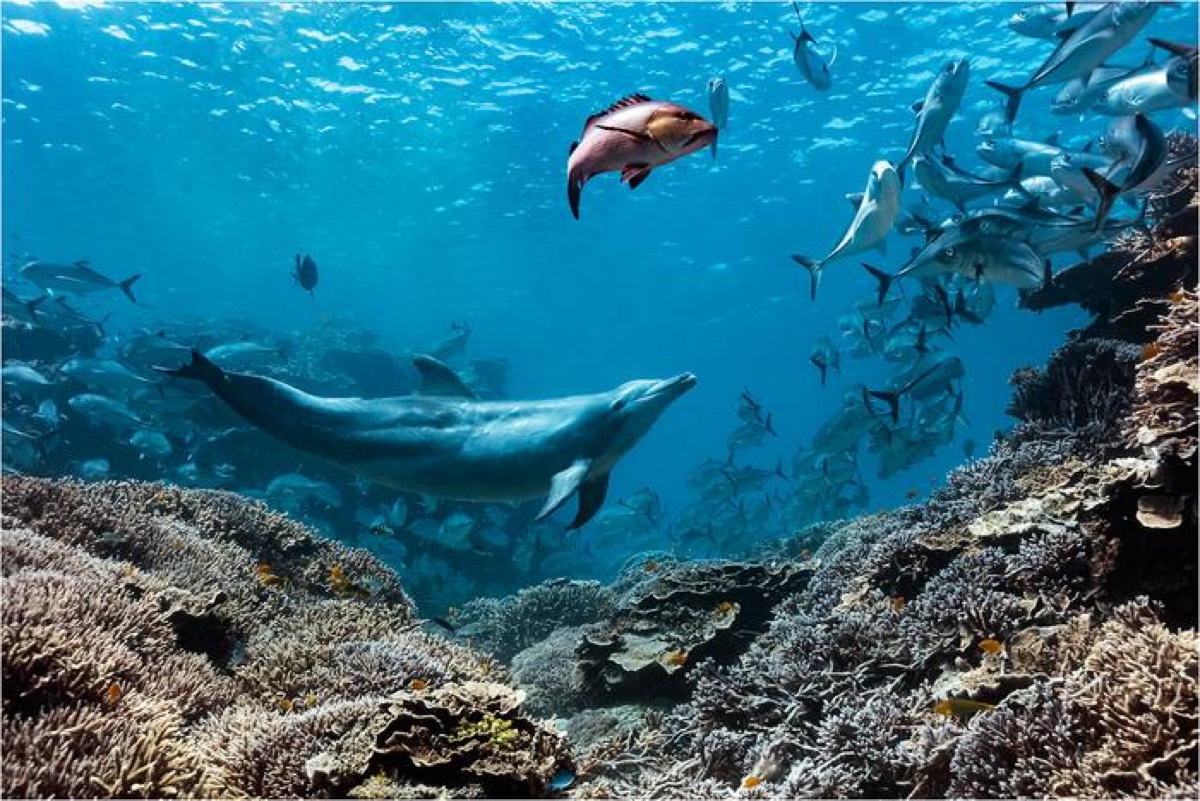
Staff at Lady Elliott Island Eco Resort off Australia's Great Barrier Reef know Bubbles well. This male bottlenose dolphin has been harassing local bigeye trevally since at least 2017, chasing them until they vomit, then eating the regurgitated food.
Dolphins aren't the good guys
We imagine dolphins as friendly because they appear to smile, but that's anthropomorphism. Dolphins are predators that actively hunt, whether stealing food from other species or not.
“This perception of dolphins as the 'good guys of the sea' has more to do with anthropomorphism”
Food theft across the animal kingdom
The technical term is kleptoparasitism: one species stealing food from another. Bees, bears, raptors, hyenas, and many other animals do it. But it's exceedingly rare among marine mammals, making Bubbles unusual.
Bubbles' hunting strategy decoded
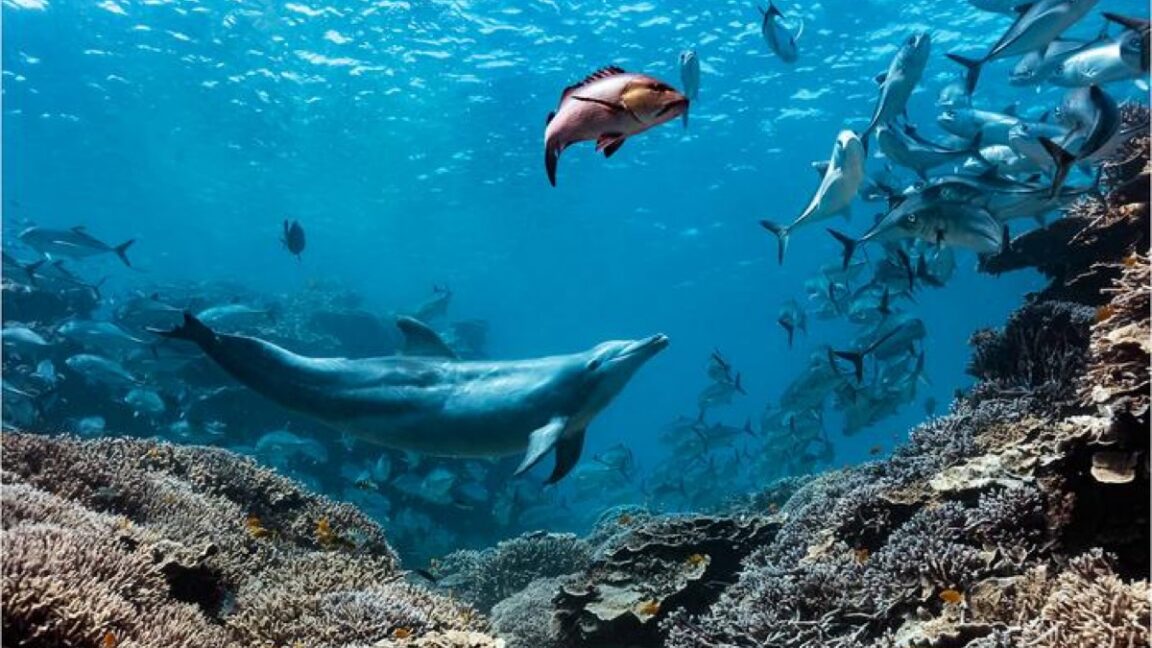
Bubbles uses echolocation to find a target fish, then chases it relentlessly. The stressed fish vomits, and Bubbles eats the regurgitated food. He repeats this up to 10 times in 30 minutes, only targeting bigeye trevally and never eating the actual fish.
A learned behavior, not instinct
Bubbles usually forages alone, unlike most dolphins. Researchers believe he learned this novel strategy over several years, possibly targeting fish with the fullest bellies for the most rewarding meals.
“We observed him repeating this behavior over several years, which suggests he may have learnt to target the fish with the fullest bellies”
How does he pick his targets
Researchers think Bubbles uses echolocation to identify which fish have recently eaten. Different fish shapes return differently structured echoes. Video analysis shows intense clicking and low-frequency tones during his attacks, but the exact purpose remains unclear.
Is Bubbles unique or just hard to spot
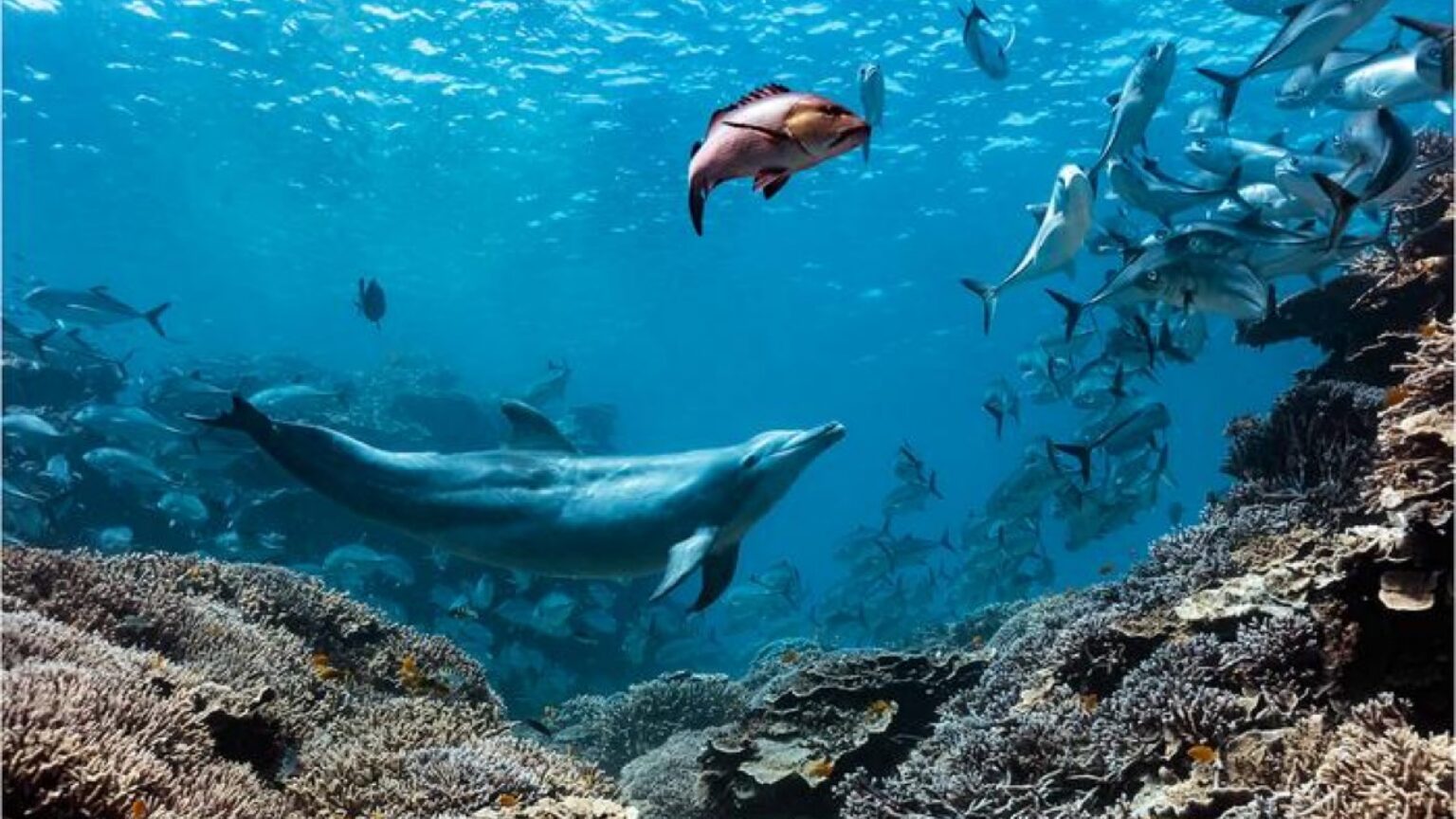
This study tracked only one dolphin over four years with 20 documented sightings. Scientists need more evidence from other dolphins before concluding this behavior is common. New technologies like drone footage could reveal how widespread it actually is.
What to remember
Dolphins aren't the friendly animals we imagine. Bubbles demonstrates that they're clever predators willing to use stress and harassment to steal food from other species.