From Default · · 2m
America Didn't Lose Its Rare Earth Industry. It Sold It.
U.S. sold rare earth industry to China for economic gain, now faces supply chain risks.
In brief
U.S. sold rare earth industry to China for economic gain, now faces supply chain risks. The U.S. voluntarily transferred rare earth production to China in the 1990s, creating long-term dependency on Chinese supply chains. Originally reported by Default.
China's Rare Earth Controls
In October 2025, Beijing imposed sweeping controls on rare earth exports, suspended until Nov. 10 with a broader trade truce through Jan. 10, 2027.
U.S. Companies on Export List
Beijing placed MP Materials and USA Rare Earth, the U.S. companies building alternative supply chains, on an export control list in June 2025.
U.S. Supply Chain Efforts
Washington has $100 billion in loan authority for critical minerals under the One Big Beautiful Bill Act but lacks political alignment to scale supply chain rebuilding.
Historical Context
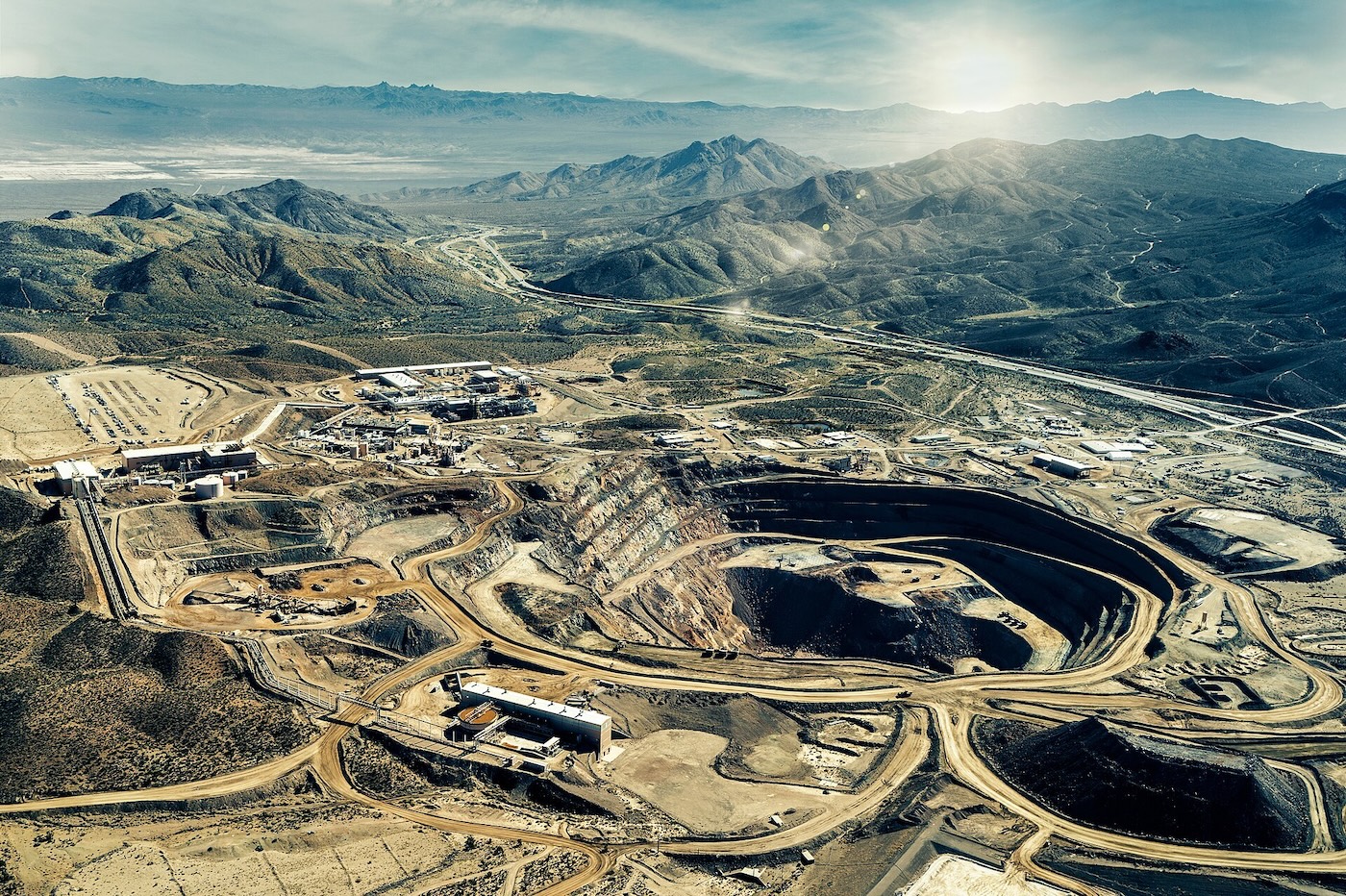
The U.S. was the world's leading rare earth producer until the 1990s when the Mountain Pass mine shut down due to radioactive waste leaks.
China's Strategic Shift
China now processes 99 percent of heavy rare earths and nearly all materials for precision-guided weapons and advanced chips.
Market Failure
The rare earths market is worth less than $10 billion but can halt global economic activity, making it a strategic chokepoint controlled by China.
U.S. Strategic Mistake
The U.S. sold its rare earth industry to China in the 1990s for economic efficiency, creating long-term dependency on Chinese supply chains.
Beijing's Leverage
Beijing uses rare earth exports as a geopolitical tool, cutting supply during disputes to maintain leverage over the U.S. and its allies.
Government Financing Challenges
Government financing for rare earth supply chains faces misaligned interests between private investors, lenders, and Congress.
CoCo Bond Proposal
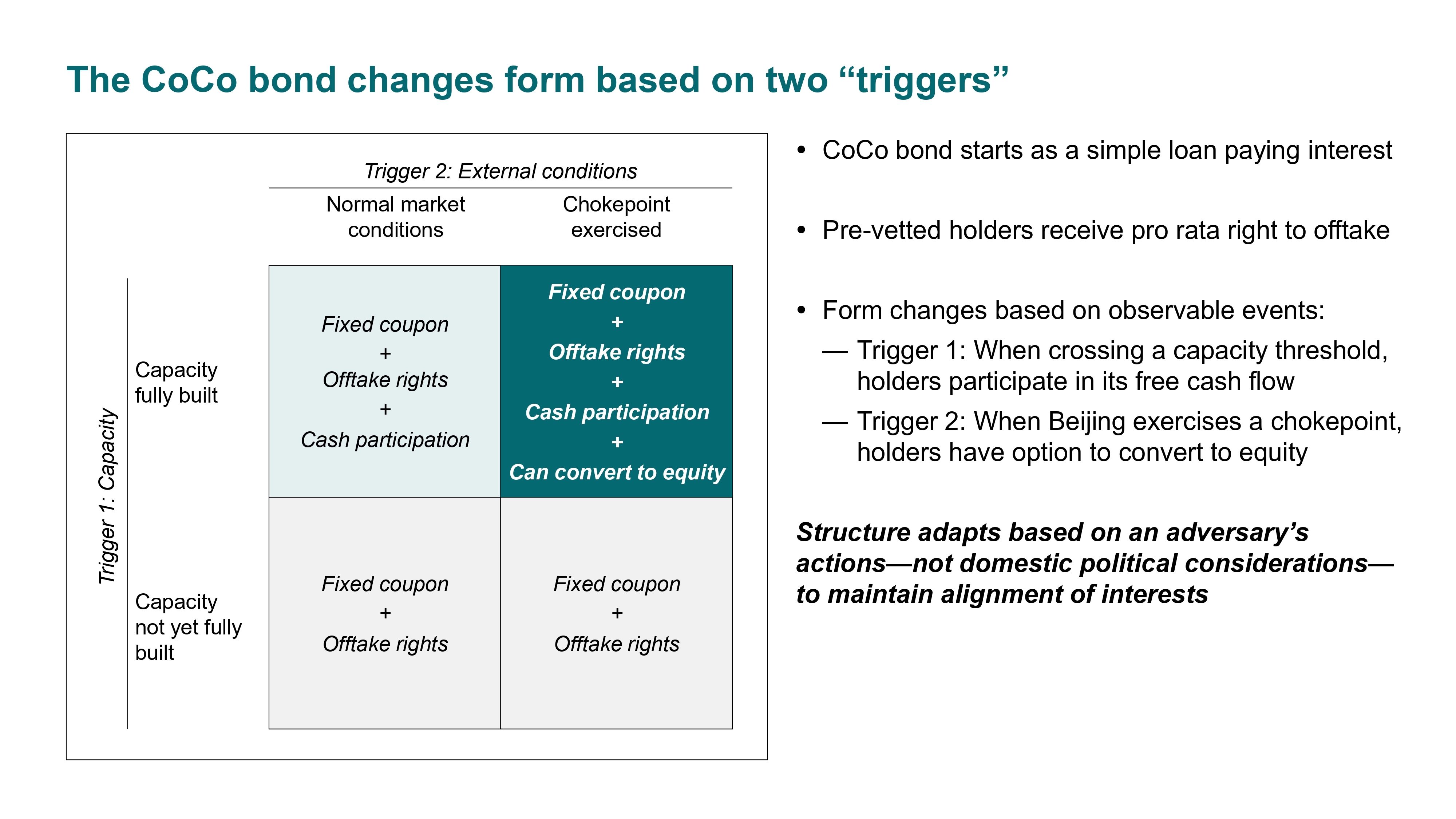
A contingent convertible security could align interests by converting into ownership if Beijing weaponizes rare earth supply.
Capacity Trigger
The CoCo bond triggers when a producer meets a capacity threshold, sharing profits with lenders to incentivize build-out.
Beijing's Behavior Trigger
The CoCo bond also triggers if Beijing cuts supply through export controls or bureaucratic delays, converting lenders into equity.
Risk Sharing
The CoCo bond shares the risk of Beijing weaponizing supply with private investors, avoiding nationalization or welfare concerns.
Implementation Challenges
Statutory authority, trigger definitions, and CFIUS integration must be addressed to make the CoCo bond work in practice.
Long-Term Solution
The U.S. needs a financial instrument that can absorb decades of investment while protecting against Beijing's supply cuts.
What it means
The U.S. voluntarily transferred rare earth production to China in the 1990s, creating long-term dependency on Chinese supply chains.