From Digital Camera World · · 1m 10s
James Webb Telescope Captures Galaxy Warping
Webb telescope image shows galaxies warping light to duplicate distant clusters.
In brief
Webb telescope image shows galaxies warping light to duplicate distant clusters. James Webb Telescope captures gravitational lensing effect where galaxy clusters warp light to create multiple images of distant galaxies. Originally reported by Digital Camera World.
Webb Telescope Releases New Image
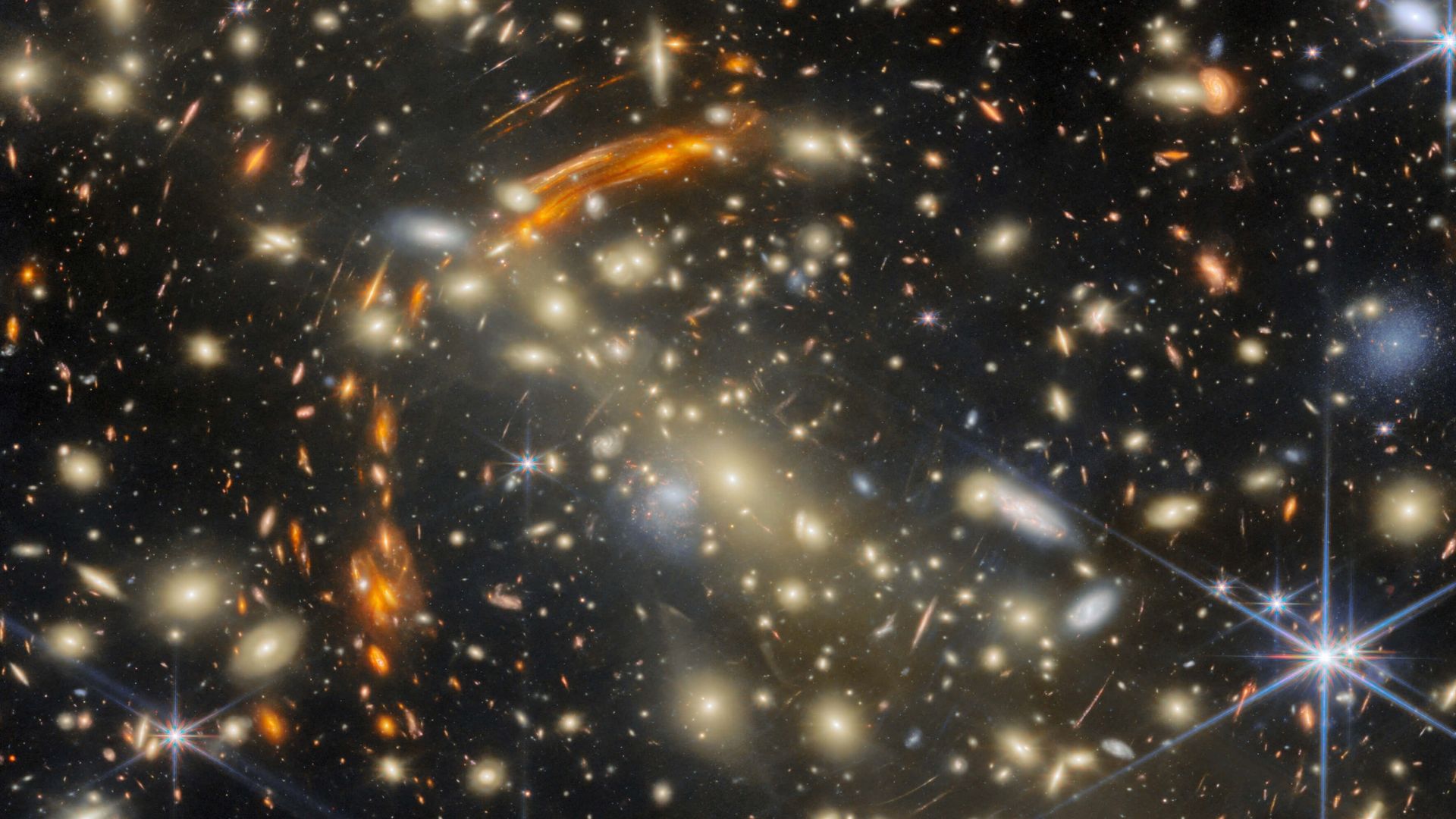
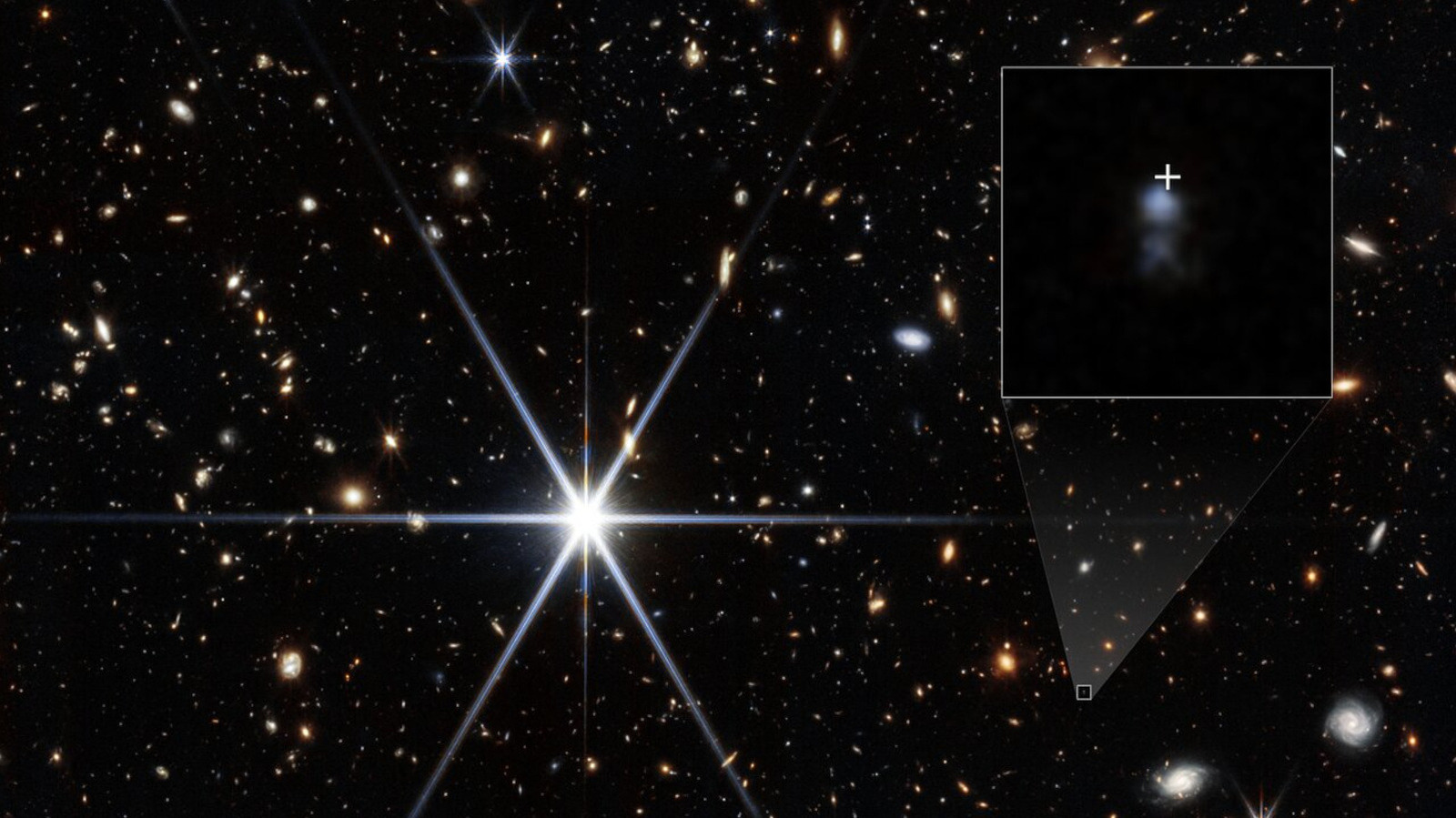
NASA and ESA operators of the James Webb Space Telescope released an image showing galaxy clusters warping light from distant cosmic bodies.
Gravitational Lensing Explained
Gravitational lensing bends spacetime around massive objects like galaxies, warping and magnifying light traveling through their path.
Webb Picture of the Month
The image was selected as NASA/ESA's September Webb Picture of the Month, featuring bright stars and a galaxy cluster with distorted orange galaxies.
Galaxy Cluster Time Travel
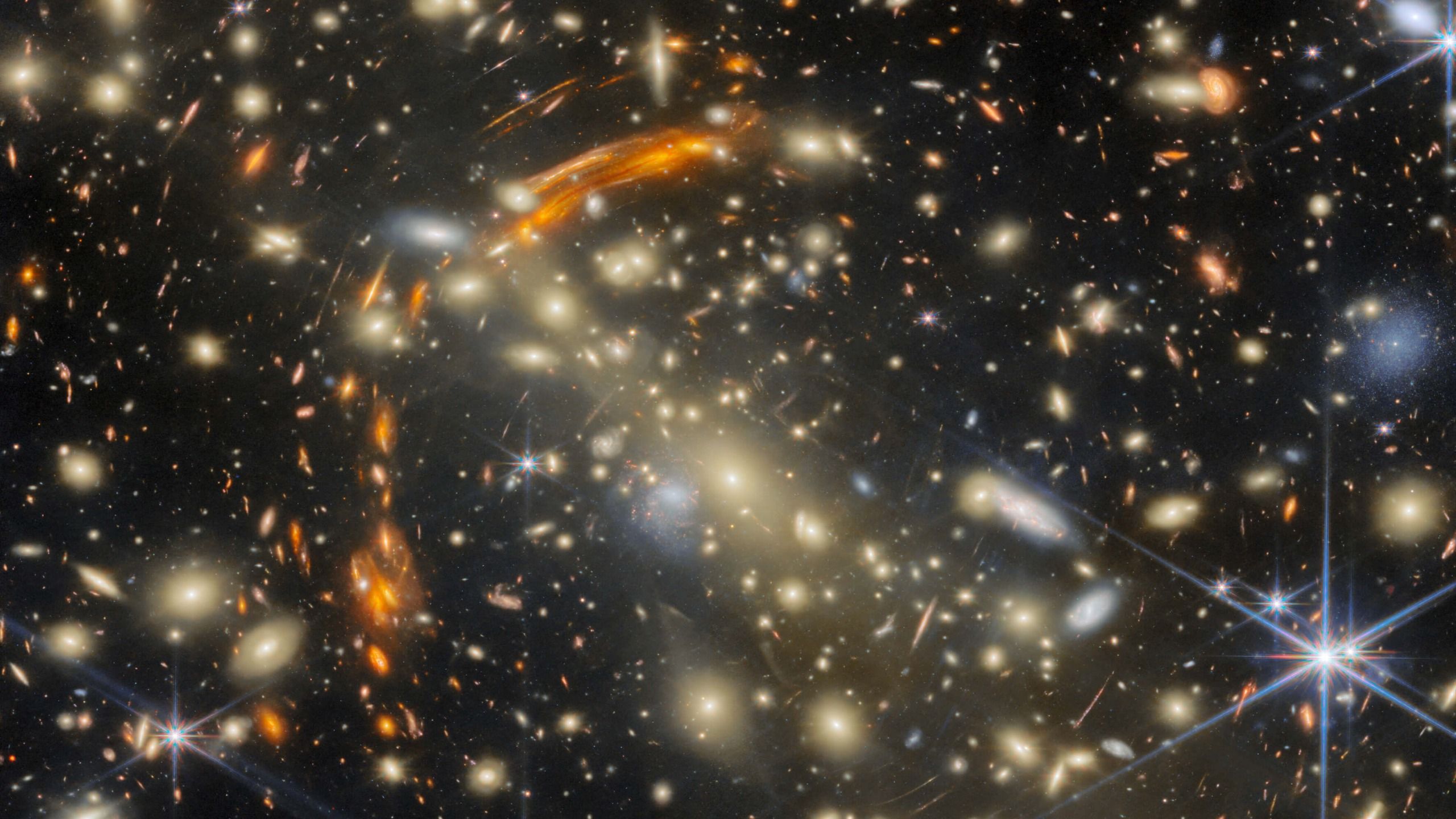
The foreground galaxy cluster MACS J0454.1-0300 appears as it was 8 billion years ago, while the warped cluster shows the universe 2 billion years ago.
Cosmic House of Mirrors
Gravitational lensing creates multiple images of distant galaxies, an optical illusion astronomers call a cosmic house of mirrors.
Photographers' Perspective
Photographers now understand gravitational lensing effects are common in space, making Webb's work more relatable to camera users.
Here's the gist
James Webb Telescope captures gravitational lensing effect where galaxy clusters warp light to create multiple images of distant galaxies.