From The Conversation · Daniella McCahey · · 1m 40s
Physics Nobel highlights Antarctica’s role in exploring the cosmos
Antarctica’s extreme environment helps scientists explore the cosmos, winning the 2026 Nobel Prize for IceCube neutrino research.
In brief
Antarctica’s extreme environment helps scientists explore the cosmos, winning the 2026 Nobel Prize for IceCube neutrino research. Francis Halzen won the 2026 Nobel Prize in physics for IceCube Neutrino Observatory work that detects cosmic neutrinos. Originally reported by The Conversation.
Nobel Prize for IceCube
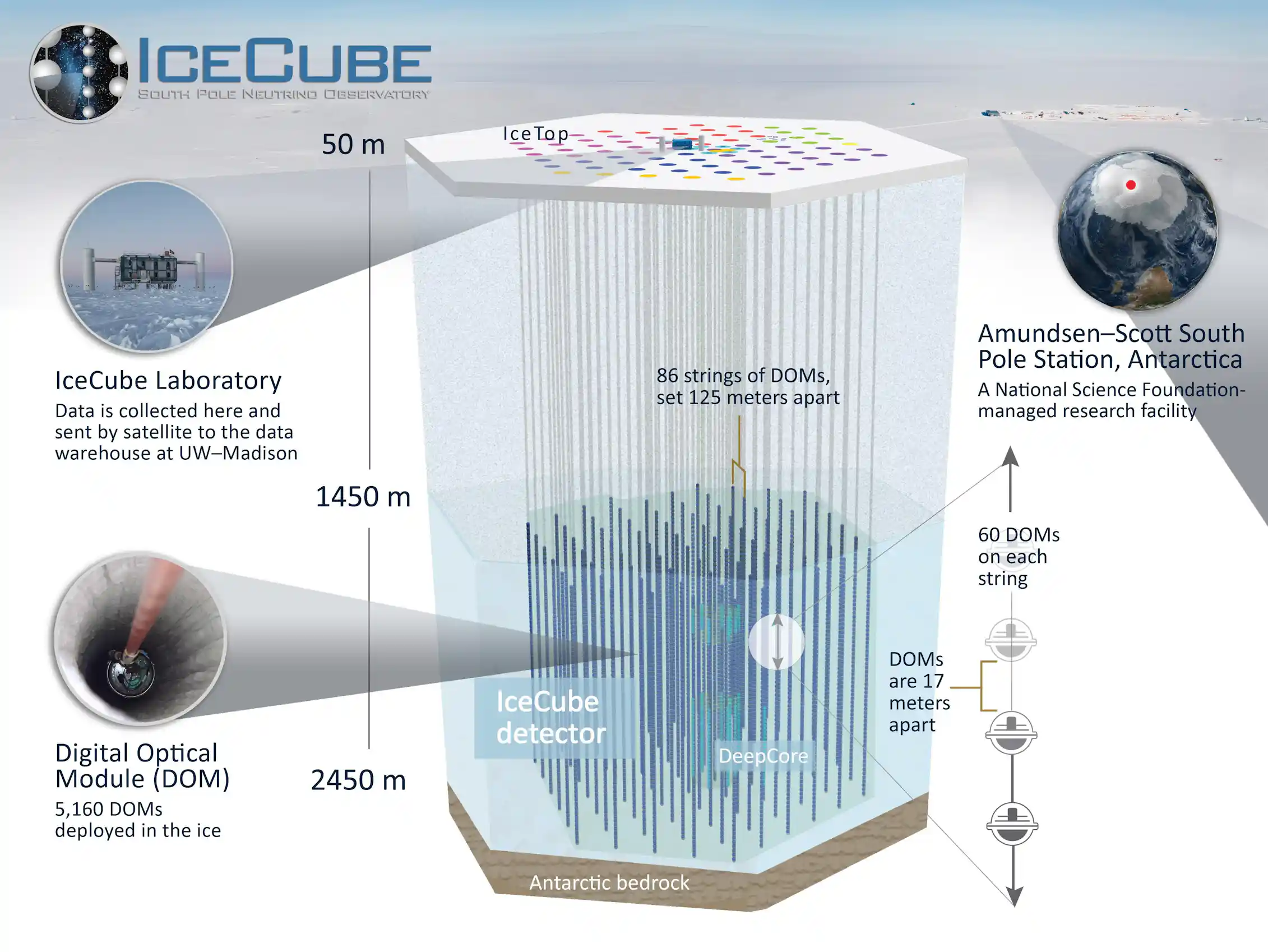
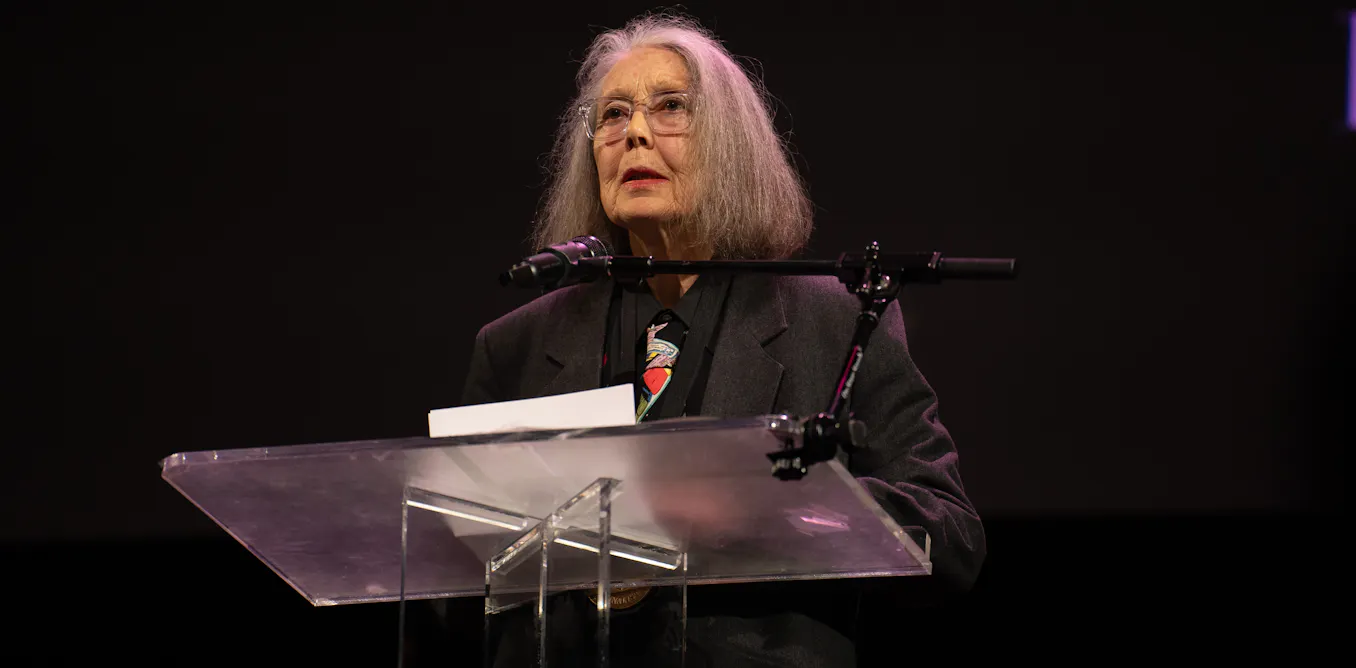
Francis Halzen won the 2026 Nobel Prize in physics for decisive contributions to the IceCube Neutrino Observatory and the discovery of high-energy neutrinos of astrophysical origin.
Antarctica as cosmic window
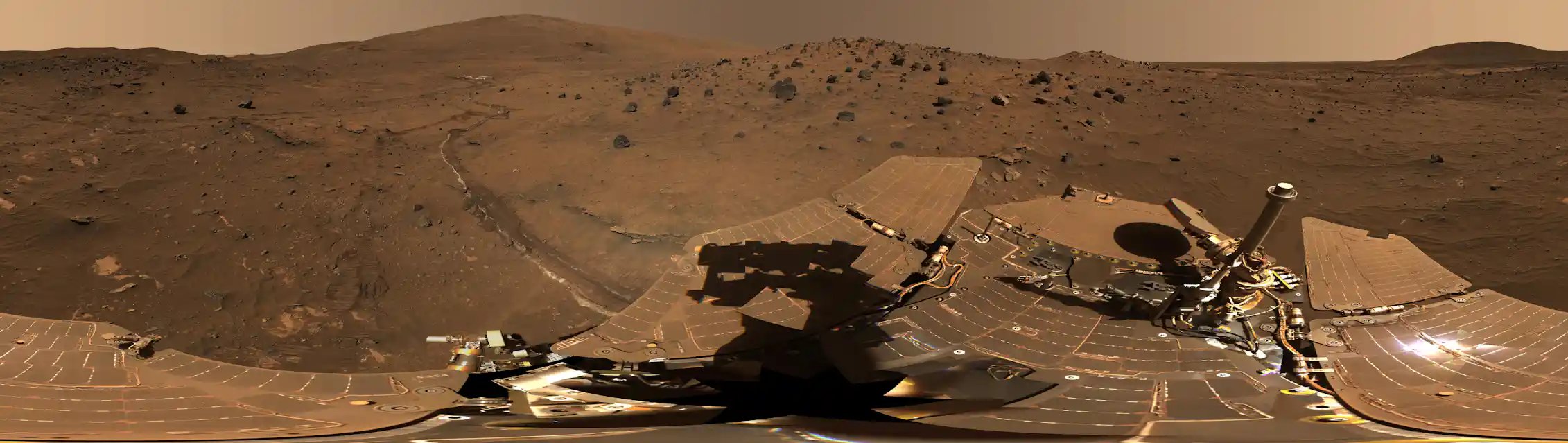
Scientists have treated Antarctica’s environments as windows onto worlds beyond Earth for over a century.
Antarctica for space training
NASA officials traveled to Antarctica because this was as close to lunar conditions as we could get here on Earth.
McMurdo Dry Valleys research
Microbiologists conducted research in the McMurdo Dry Valleys to prepare for the Viking mission to Mars.
Meteorite discoveries
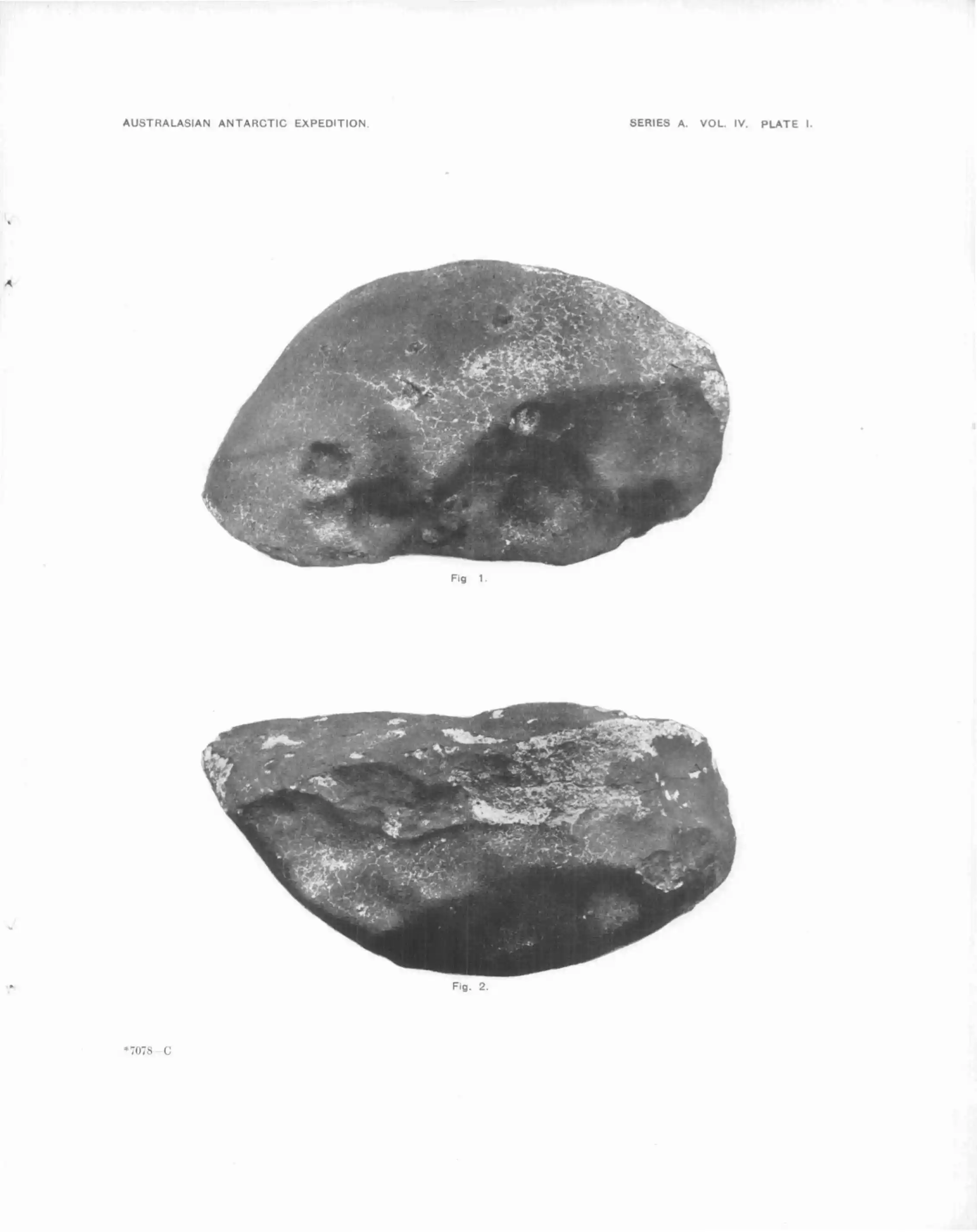
Antarctica’s blue-ice areas, which comprise about 1% of its surface ice, are among the best places to find meteorites.
First lunar meteorite
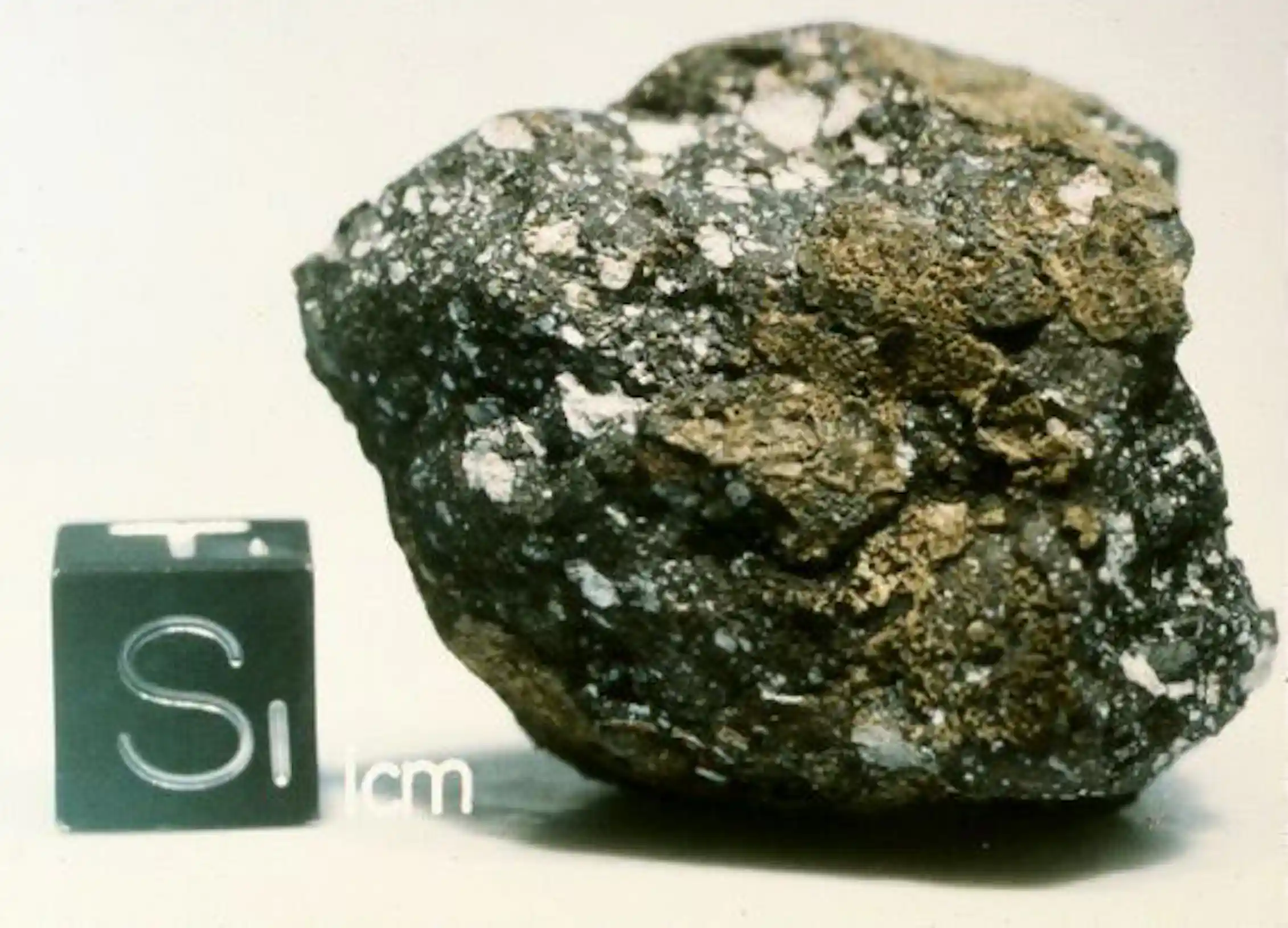
The Allan Hills A81005 meteorite found in Antarctica in 1982 was the first proven to have come from the Moon.
South Pole Telescope
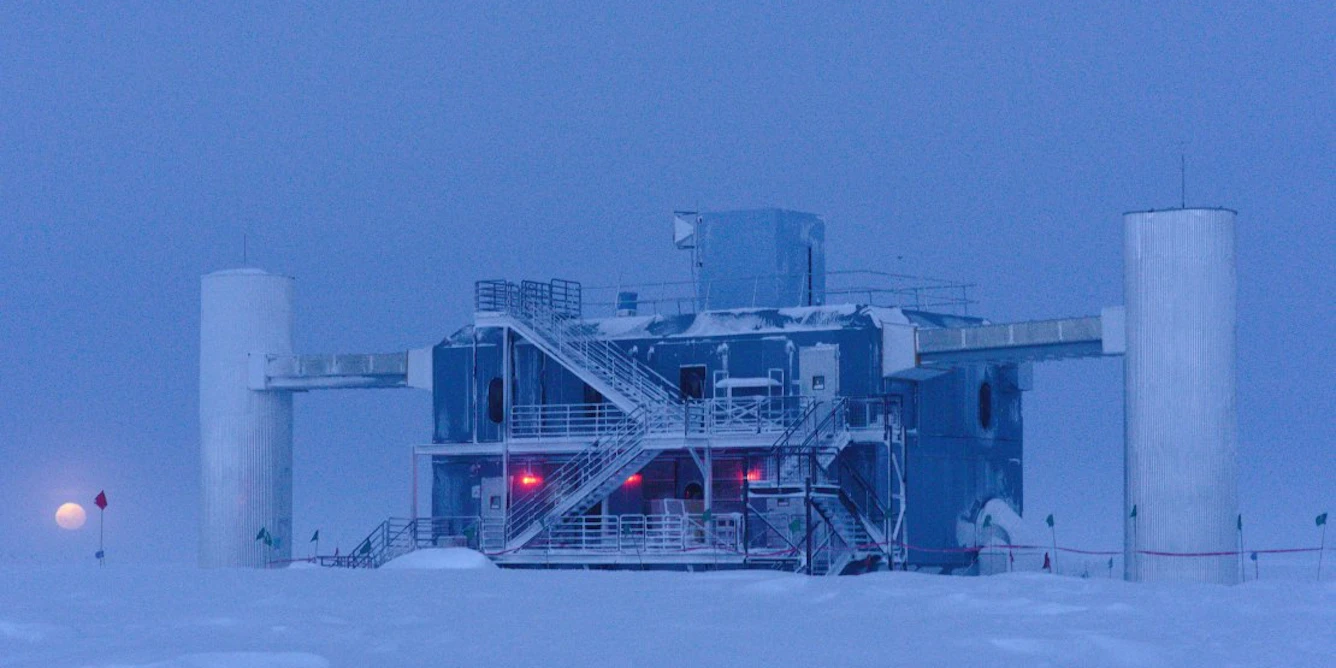
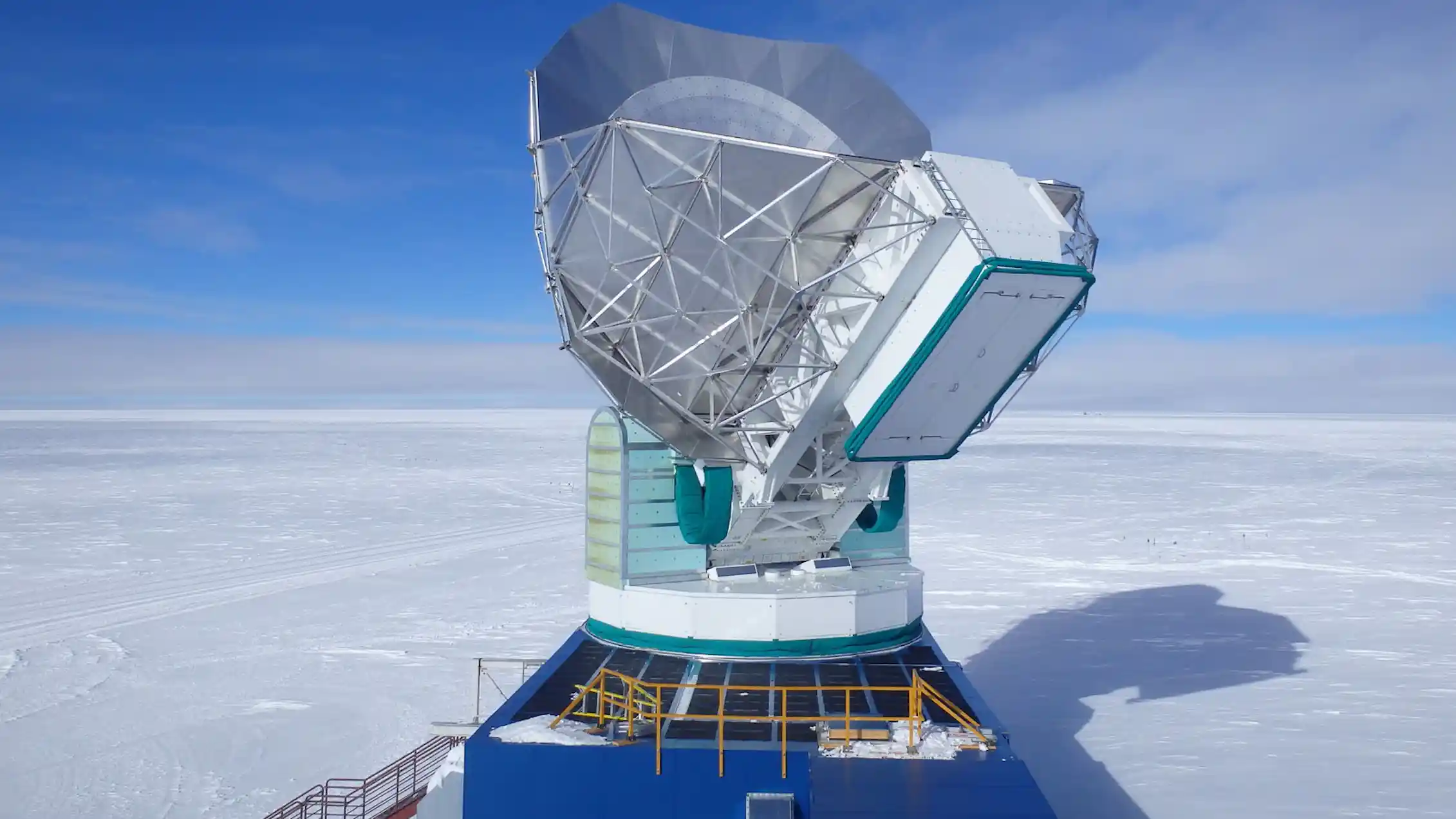
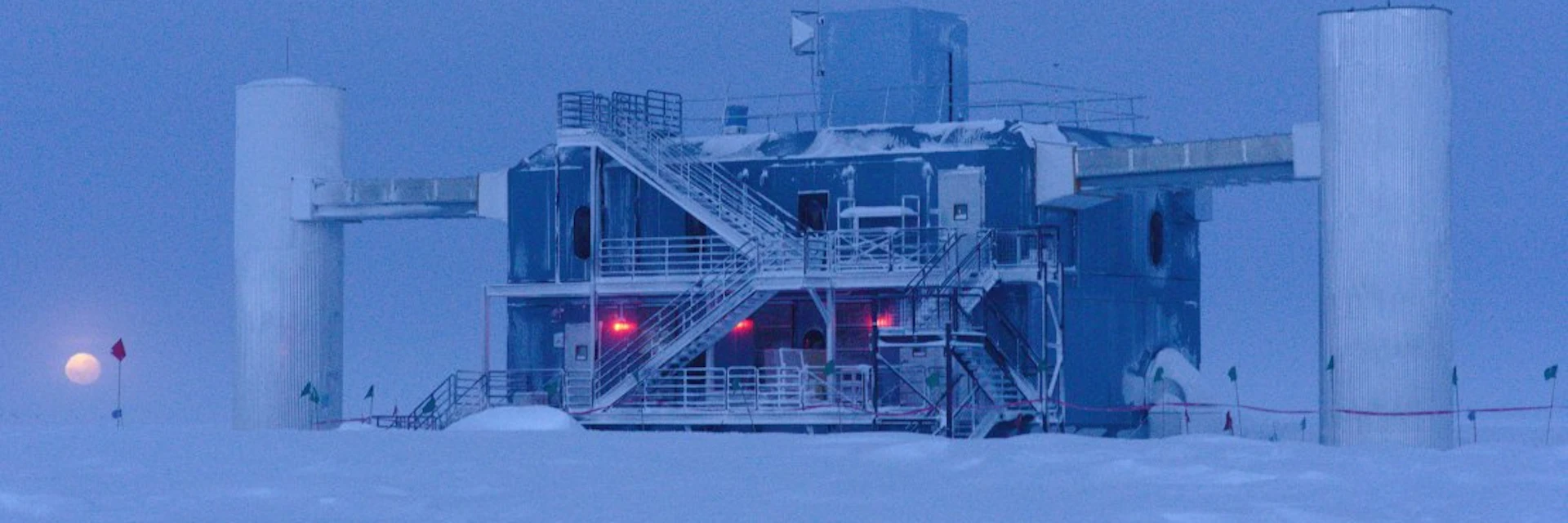
The South Pole Telescope measures cosmic microwave background radiation and dark energy driving the universe’s expansion.
IceCube project
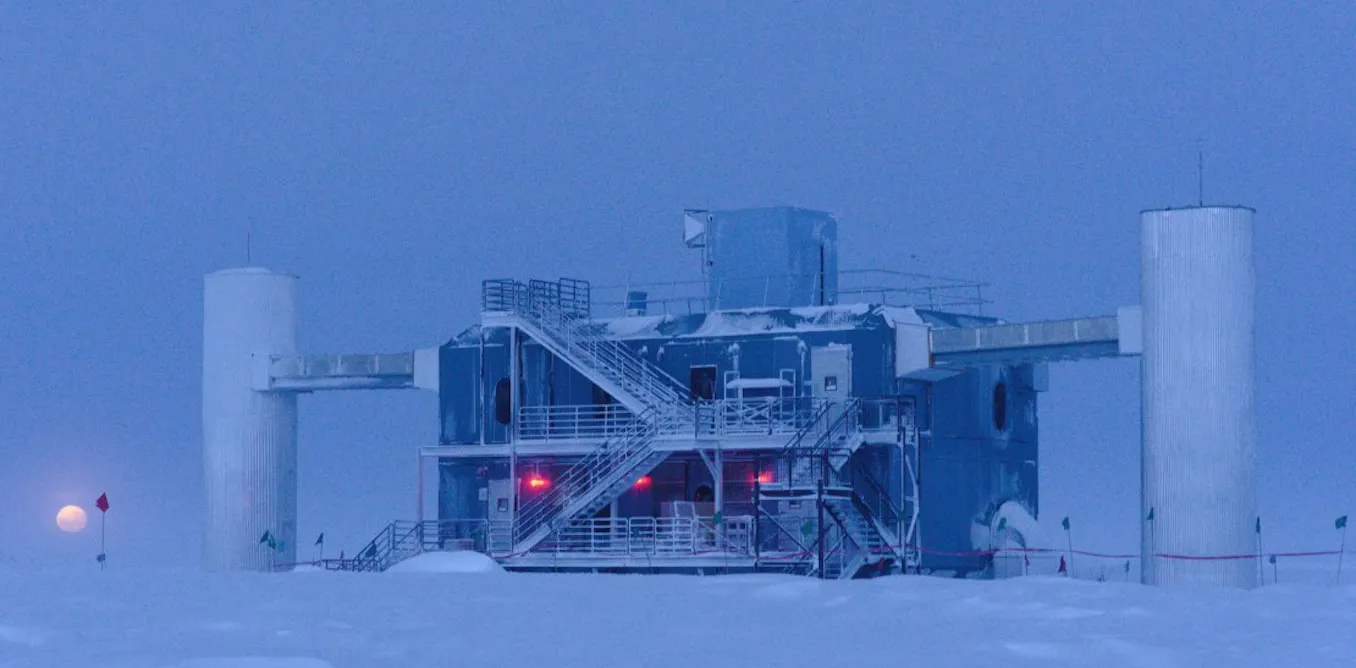
IceCube is a major international project involving 450 physicists from 58 institutions in 14 countries.
IceCube construction
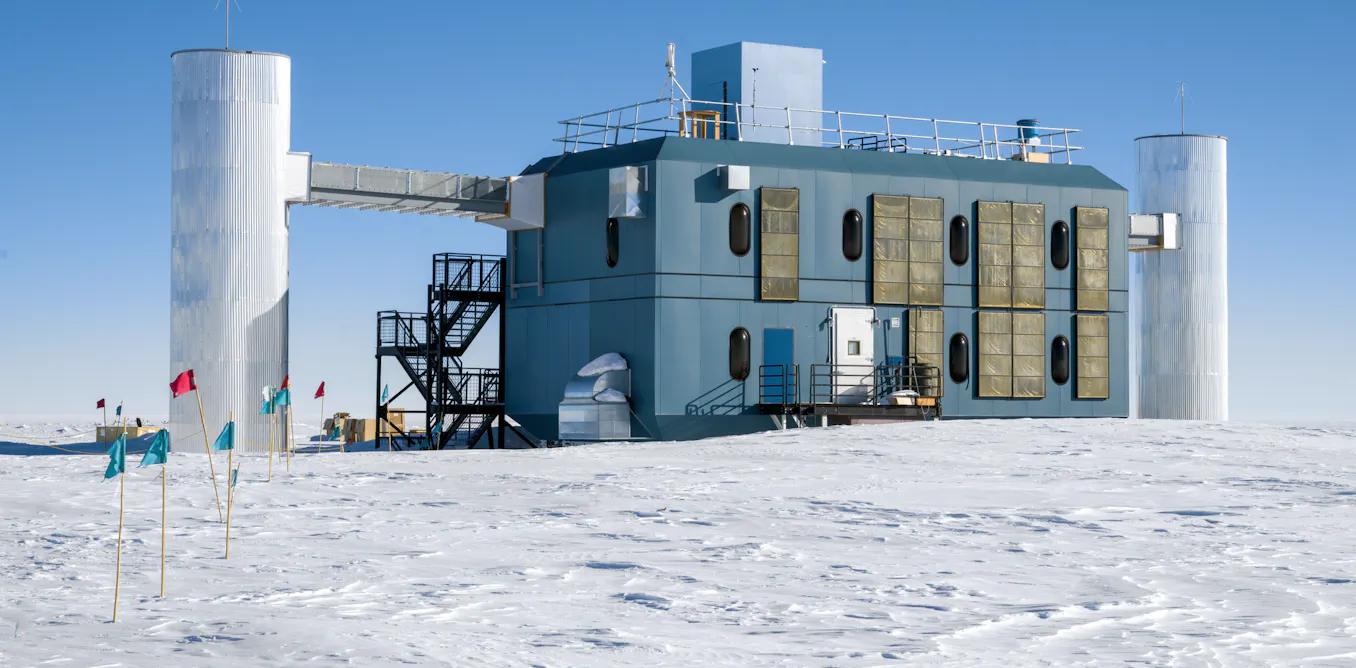
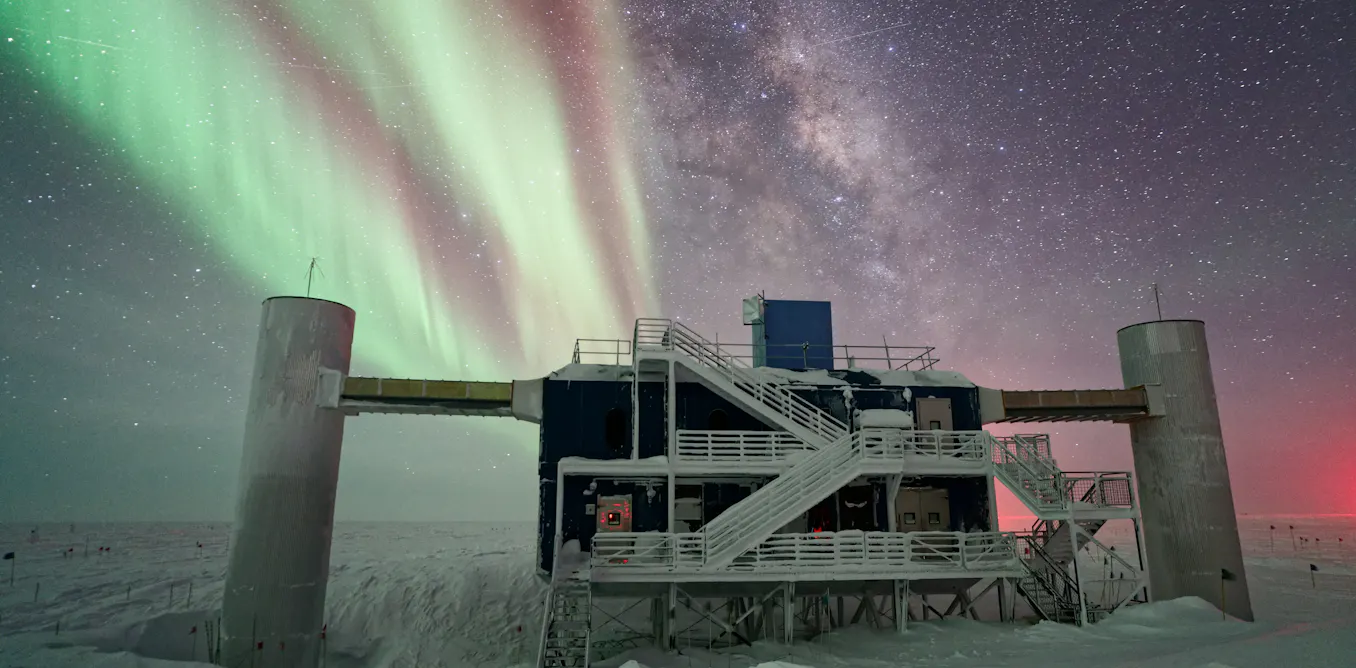
IceCube was constructed starting in 1993 at the Amundsen-Scott South Pole Station.
Neutrino detection
IceCube detects small flashes of light generated by neutrinos traveling through the Earth.
Cosmic insights
IceCube helps scientists gain insights into supernova events, galaxy formation, the Big Bang, dark matter, and neutrino properties.
What to remember
Francis Halzen won the 2026 Nobel Prize in physics for IceCube Neutrino Observatory work that detects cosmic neutrinos.