From The Conversation · Doug Cowen · · 2m
IceCube Finds Deep Space Neutrinos
IceCube detects first deep space neutrinos, revealing cosmic origins.
In brief
IceCube detects first deep space neutrinos, revealing cosmic origins. IceCube Neutrino Observatory discovered neutrinos from deep space, marking the first detection of astrophysical neutrinos. Originally reported by The Conversation.
IceCube Neutrino Observatory
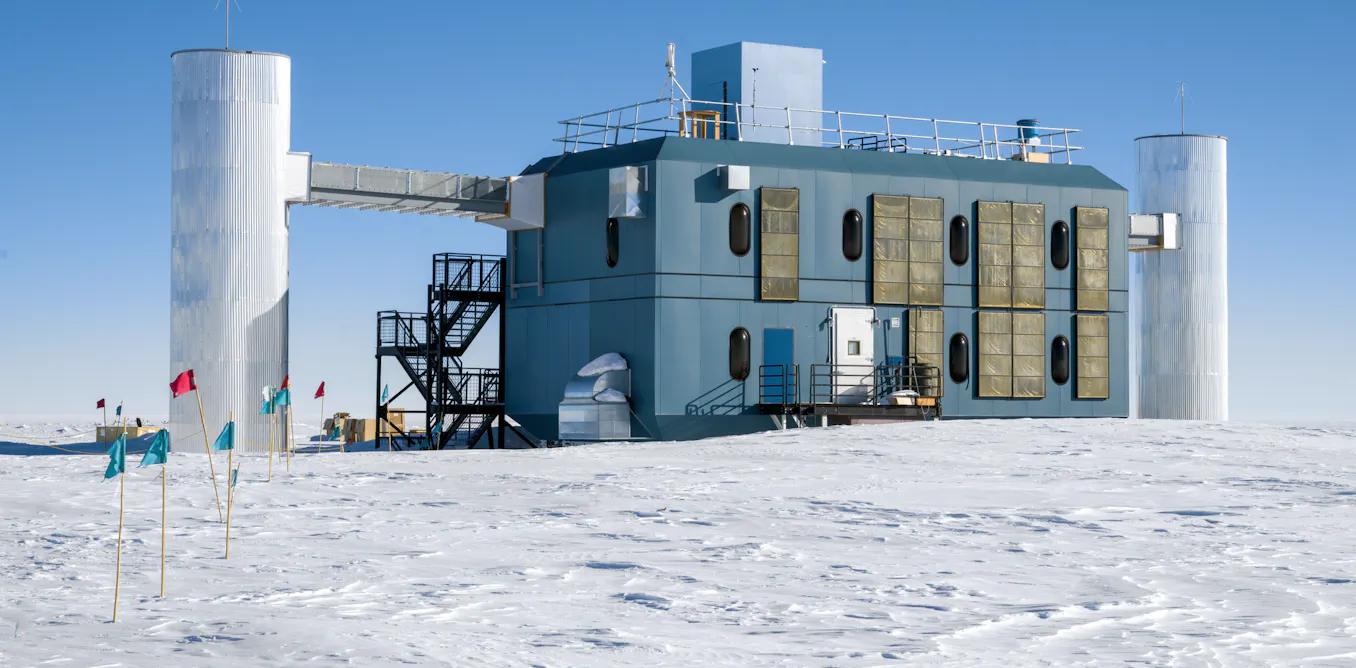
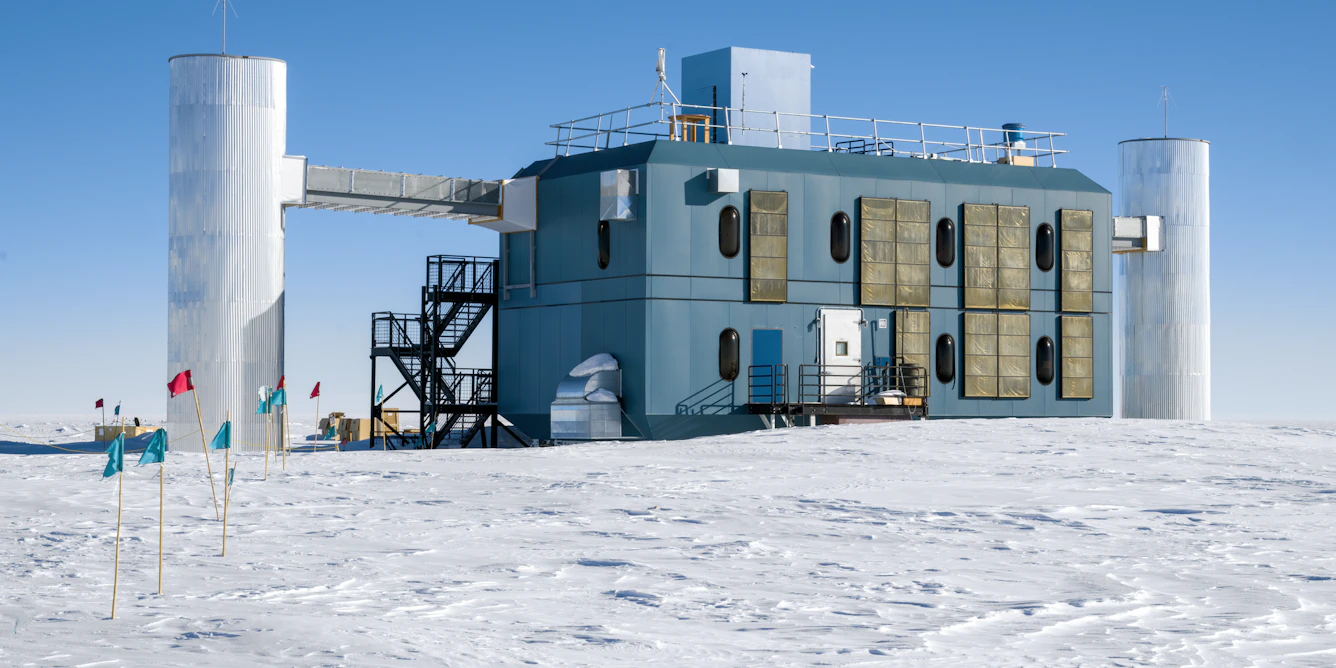
The IceCube Neutrino Observatory sits on tons of clear ice at the South Pole, allowing scientists to detect neutrino interactions.
Neutrinos: Ghost Particles
All visible matter in the universe, stars, planets, you, me, is made up of some combination of 12 fundamental particles. The lightest and most abundant are neutrinos.
Neutrinos Penetrate Everything
Neutrinos have uniquely small masses and the ability to penetrate just about anything, making them a razor-sharp tool for physicists to study particle interactions.
Why Neutrinos Matter
Neutrinos may help researchers understand why the universe is predominantly made of matter rather than equal parts matter and antimatter.
Neutrino Detection Challenge
Physicists have risen to meet this challenge by employing specialized materials at industrial scales to detect these elusive particles.
2026 Nobel Prize in Physics
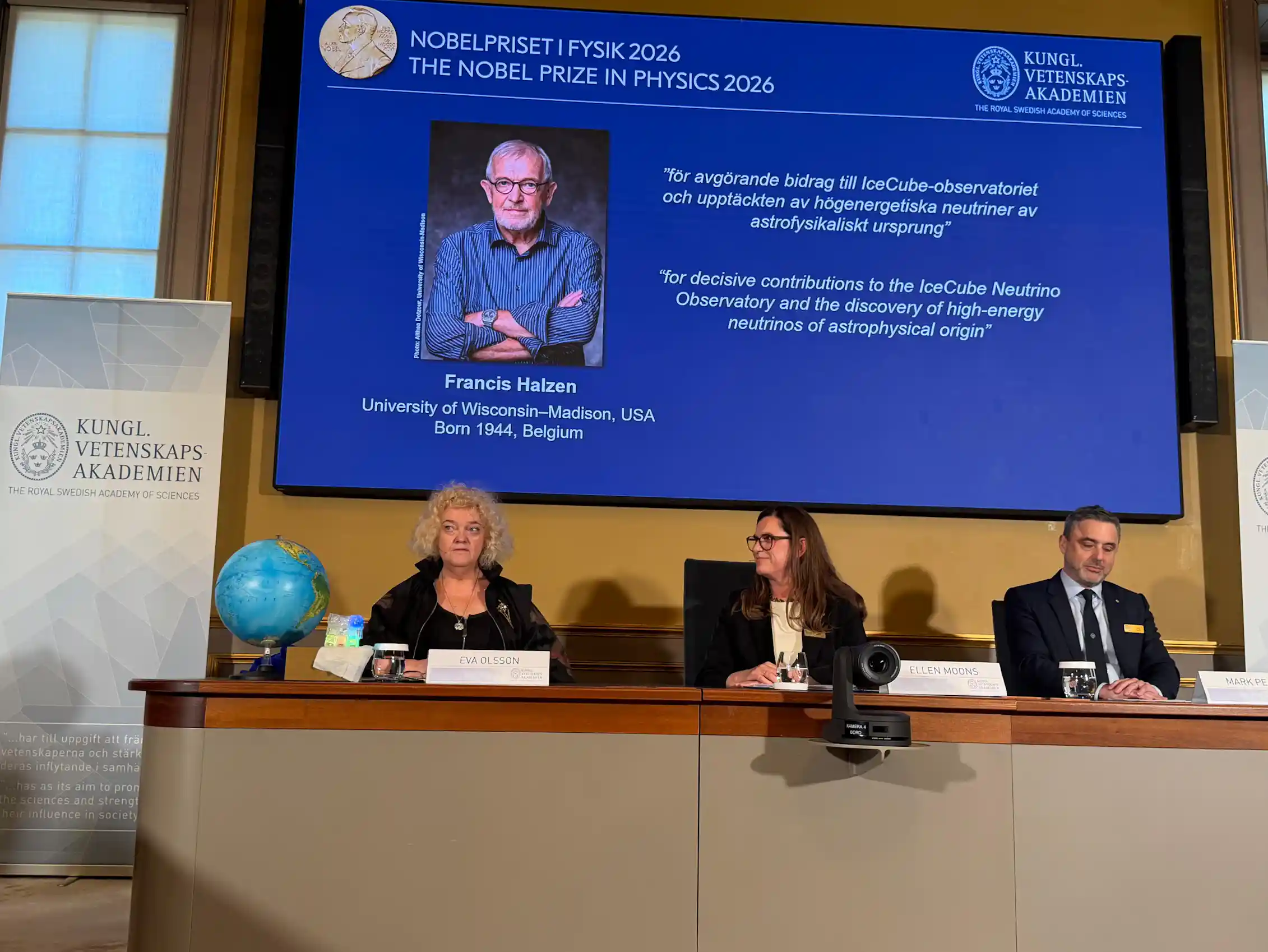
Belgian physicist Francis Halzen received the 2026 Nobel Prize in physics from the Royal Swedish Academy of Sciences in Stockholm on Oct. 6, 2.026.
Neutrino Oscillations
Neutrinos come in three types: electron neutrino, muon neutrino, and tau neutrino, which can change types through a process called oscillation.
Super-Kamiokande Experiment
The Super-Kamiokande experiment discovered in 1998 that neutrinos produced in the atmosphere were oscillating as they traveled through the Earth.
Sudbury Neutrino Observatory
The Sudbury Neutrino Observatory discovered in 2002 that neutrinos produced in the Sun were also changing their type as they traveled from the solar core to Earth.
IceCube Construction
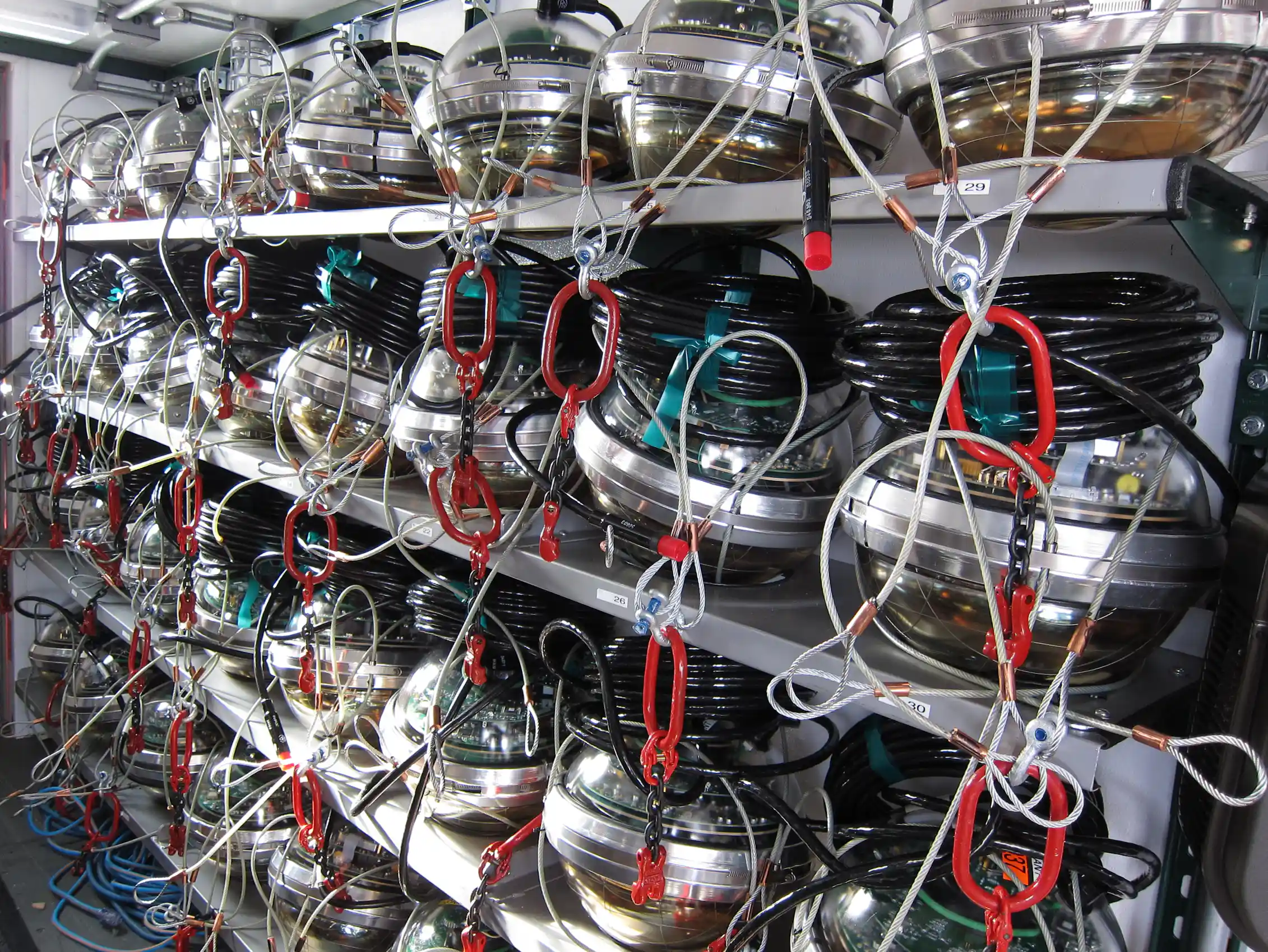
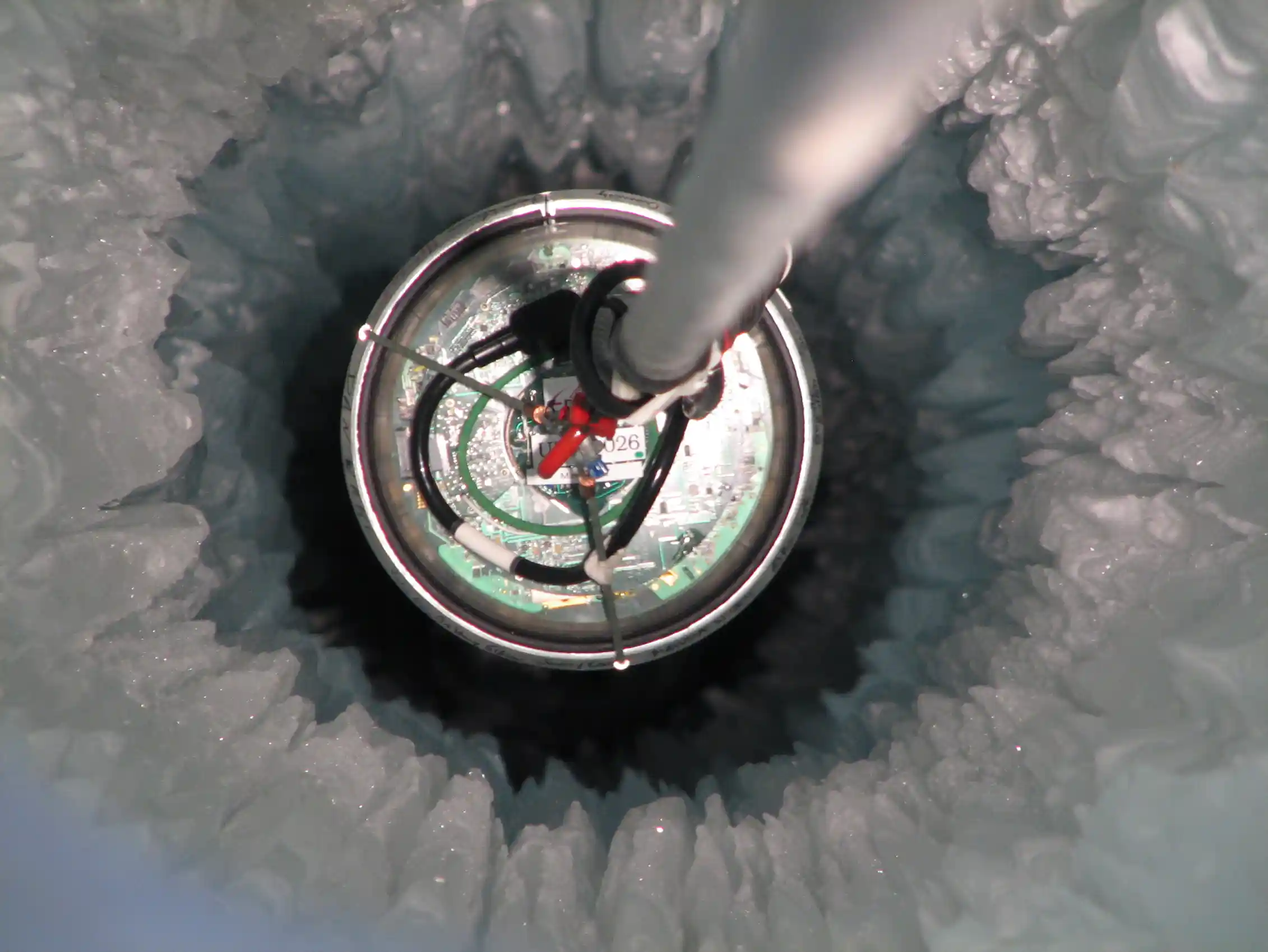
IceCube’s digital sensors wait to be deployed into the Antarctic ice, with 5,000 optical sensors sunk more than 1 mile under the surface.
First Deep Space Neutrinos
IceCube discovered neutrinos of such high energy that they had to be astrophysical in origin, marking the first detection of deep space neutrinos.
Neutrino Origin Confirmed
A few years later, IceCube saw an energetic neutrino at the same time as a NASA space telescope spotted an energetic gamma ray from the same location, confirming the origin of astrophysical neutrinos.
The main idea
IceCube Neutrino Observatory discovered neutrinos from deep space, marking the first detection of astrophysical neutrinos.