From The Conversation · Amy Cannon · · 1m
Anne Carson’s Nobel Prize Work Connects Ancient Greece to Modern Life
Anne Carson’s Nobel-winning translations bridge ancient Greek literature and contemporary audiences through bold creative choices.
In brief
Anne Carson’s Nobel-winning translations bridge ancient Greek literature and contemporary audiences through bold creative choices. Anne Carson’s Nobel Prize-winning work reimagines ancient Greek texts for modern readers using innovative translations and collaborations. Originally reported by The Conversation.
Nobel Prize Recognition
Anne Carson, 76, won the Nobel Prize in literature for her genre-defying work connecting ancient Greek literature to modern audiences.
Creative Accessibility
Carson’s translations and performances, like 'Norma Jeane Baker of Troy,' explore ancient figures through contemporary lenses.
Translation of Antigone
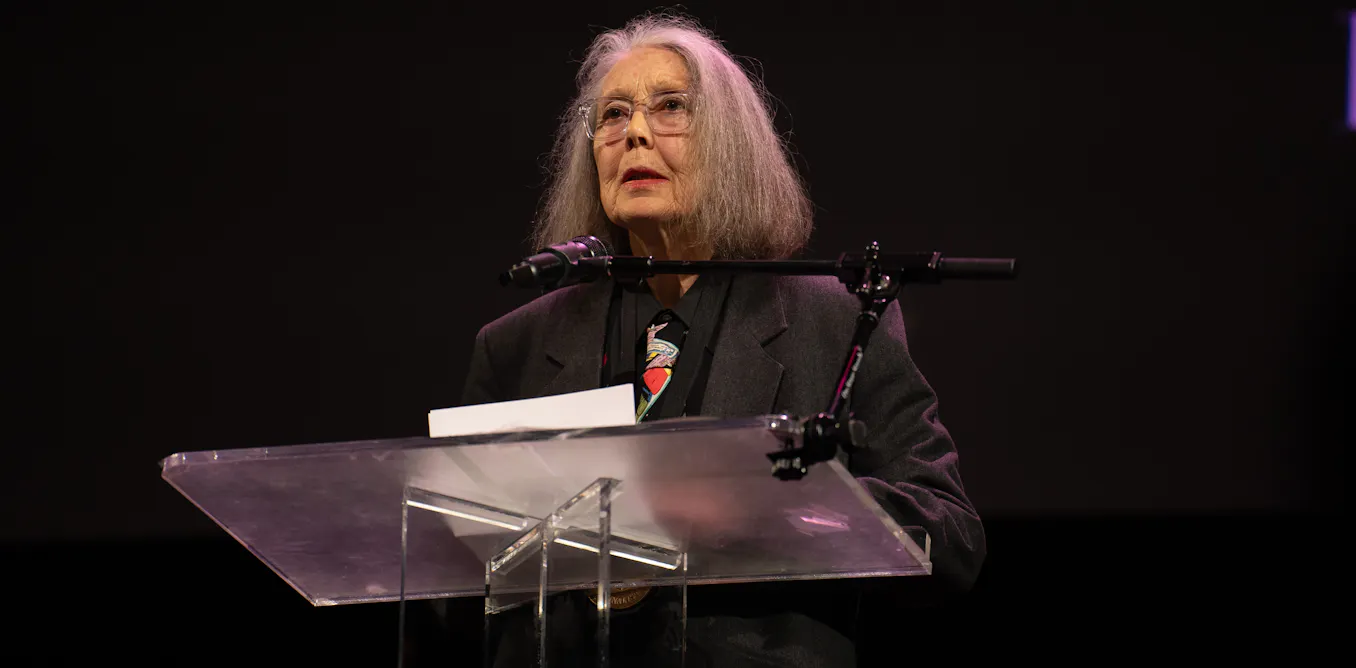
Carson’s 2015 translation of 'Antigone' uses contemporary language while staying close to Sophocles’ original text.
Sappho’s Fragments
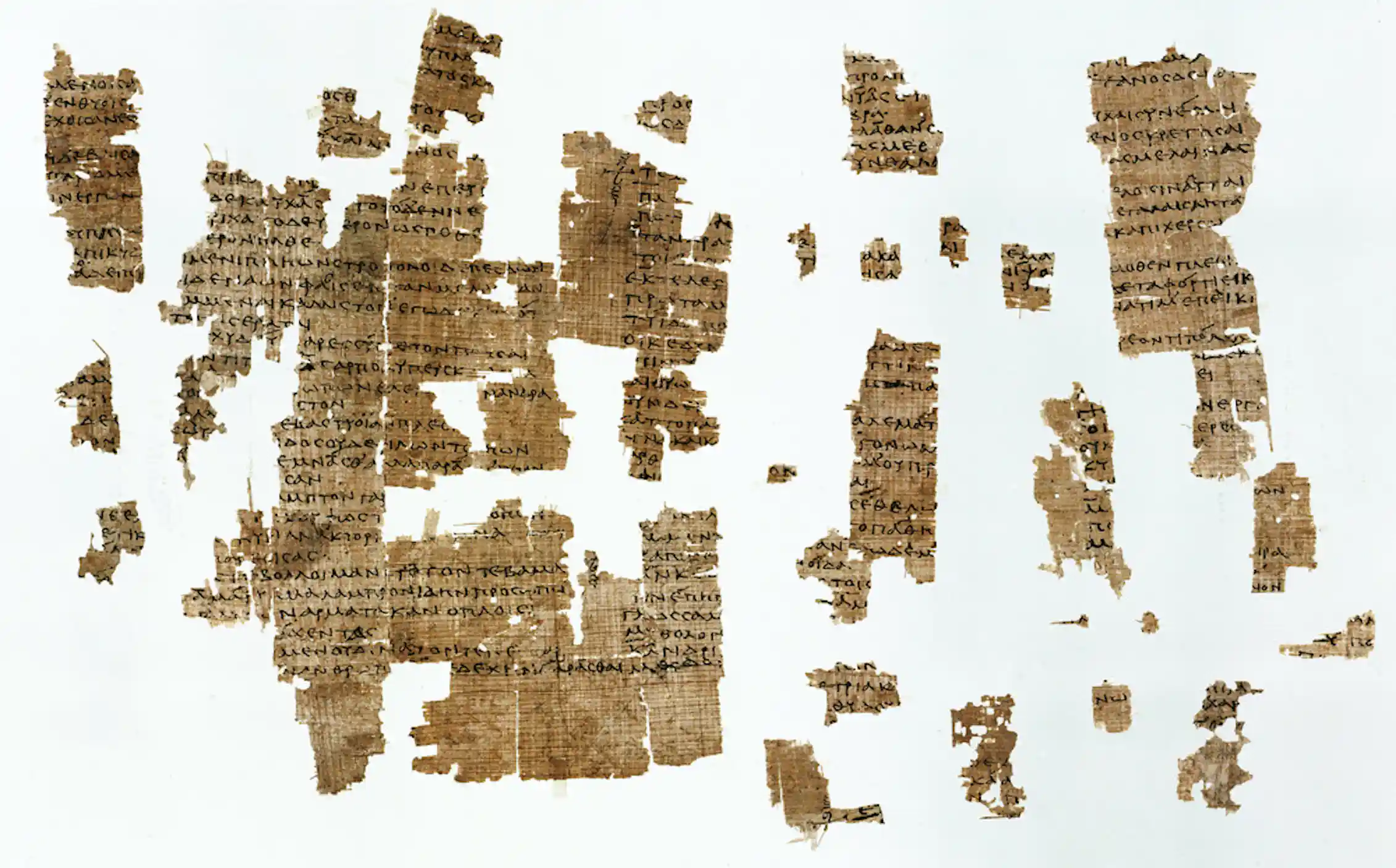
Carson’s 2002 translation of Sappho highlights the fragmentary nature of her surviving work through strategic white space.
Collaborations and Adaptations
Carson collaborated with Rosanna Bruno on a 2021 graphic novel adaptation of Euripides’ 'The Trojan Women' and read poems for Rheostatics in 2025.
“Dave Bidini described Carson as an artist who 'hasn’t been afraid to experiment with language, to carve a place that’s her own with her work.'”
Critical Reception
Some critics note Carson’s translations lack nuance in distinguishing between Aeschylus, Sophocles, and Euripides in her 'Oresteia' work.
“Emily Wilson criticizes Carson’s 'An Oresteia' for not making the three tragedians sound properly distinct.”
The bottom line
Anne Carson’s Nobel Prize-winning work reimagines ancient Greek texts for modern readers using innovative translations and collaborations.





