From Foreign Policy · Gordon Brown · · 3m
How to Fix Our Global Malaise
Local community revival can rebuild global order.
In brief
Local community revival can rebuild global order. Fixing broken local communities strengthens international cooperation and reduces populist nationalist support. Originally reported by Foreign Policy.
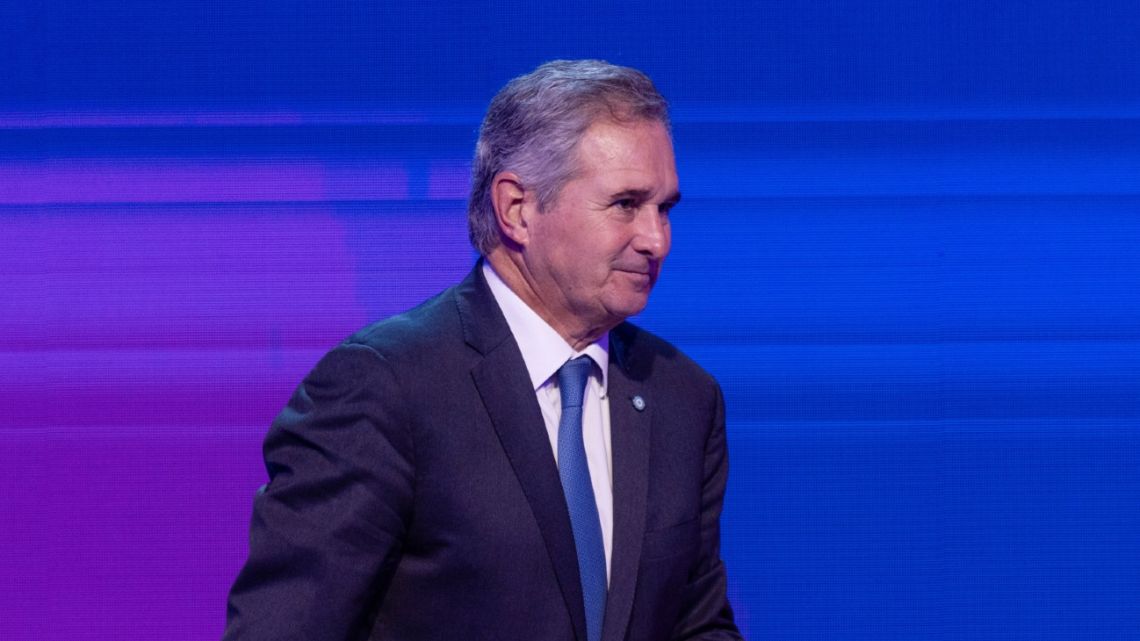
U.S. Treasury Secretary Scott Bessent

U.S. Treasury Secretary Scott Bessent delivered a landmark June speech at the Economic Club of New York commemorating the 250th anniversary of the U.S. Declaration of Independence.
New Economic Statecraft

Bessent proposed a 'disciplined use of America’s economic power in service of our sovereignty' by weaponizing U.S. assets, including the dollar and U.S. control of the international payments system.
Rejection of Washington Consensus

Bessent's speech rejected long-established U.S. commitments to free trade, free movement of capital, and an open world economy, signaling the end of the Washington Consensus.
Global Order Shift

The U.S.-led liberal international order, established by George H.W. Bush in 1990, is now declared dead after lasting little longer than today’s average marriage.
Local Community Crisis

Over 67 percent of adults report having three or fewer friends, and 13 percent have no friends at all, indicating a breakdown in local community life.
Civic Infrastructure Failure

The failure of civic infrastructure, clubs, associations, and public squares, creates a vacuum exploited by populist nationalists through social media.
Polling Evidence

Polling in 30 countries across the globe found 45 percent of adults no longer belong to any local organization, and 67 percent report having three or fewer friends.
Economic Discontent

People feel economic stagnation and disappointment have taken hold alongside a domestic rupture, with 66 percent saying their nations have lost touch with foundational values.
Global Ruptures

Three major ruptures are occurring: geopolitical, economic, and political, each driven by shifting economic power from West to East.
Geopolitical Rupture

The world is moving from a U.S.-dominated unipolar order to a multipolar one with multiple centers of decision-making power but no single hegemon.
Economic Rupture
The world is moving from an open trading system to a neo-mercantilist world of tariffs, sanctions, and export and import bans, creating economic warfare.
Political Rupture
We are moving from a rules-based international order to a power-based one, with the rule of law, human rights, and democratic accountability under threat.
Domestic Compact Collapse
A collapse of the domestic compact is the fourth rupture, with 40 percent of people reporting no one to turn to in moments of crisis.
Civic Action Impact
Bringing people together across social divides reduces populist nationalist voting by 15-20 percentage points when backed by economic policies addressing financial insecurity.
Atlantic Charter Legacy
In 1941, the U.S. and Britain signed the Atlantic Charter, which enunciated basic domestic commitments including social security and the right to work for decent remuneration.
New Charter of Interdependence
A New Charter of Interdependence must be co-written by the global south, with seven founding principles including human dignity, sovereign equality, and collective responsibility for shared risks.
The headline
Fixing broken local communities strengthens international cooperation and reduces populist nationalist support.