From Men's Health · Emilia Benton · · 3m
When Frequent Pooping Is Actually a Problem
Doctors explain the real range of normal, the everyday causes of sudden frequent pooping, and the signs that mean call a GI.
In brief
Doctors explain the real range of normal, the everyday causes of sudden frequent pooping, and the signs that mean call a GI. The number of trips matters less than the change. If your pattern shifts for two weeks or comes with blood, pain, or fever, see a doctor. Originally reported by Men's Health.
Your schedule went haywire

You know roughly how often you go, so a sudden spike feels alarming. Short-term swings in bowel frequency are common and usually traceable to something recent.
Normal is a wide range
Most people land anywhere between three times a week and three times a day, says gastroenterologist Jordan Karlitz, MD. There is no single correct number.
“most people average between three a week and three a day”
Change beats the count

Absolute frequency matters less than a shift from your own baseline. Going from once a day to three or four times a day for a couple of weeks is worth a doctor's attention.
“even if it's not explosive diarrhea, that warrants medical attention”
Start with what you ate
Coffee, alcohol, and sugary treats are usual suspects. Artificial sweeteners like sorbitol are a common short-term cause of loose, frequent stool.
Insoluble fiber bulks you up
Vegetables, wheat bran, and whole grains soften stool and add bulk, which sends you to the bathroom more often, says Christine Lee, MD, of Cleveland Clinic.
New meds shift the balance

Any antibiotic can disrupt the mix of good and bad bacteria in your GI tract, and that alone can change how often you go.
Or it's just a bug
Before you spiral into cancer worst-case thinking, consider gastroenteritis or food poisoning. Both pass if you stay hydrated and wait it out.
Keep a food journal

Log what you eat alongside any symptoms, then cut back on the likely culprits one at a time. Most bowel changes trace back to diet.
Soluble fiber firms things up
It dissolves into a gel that attracts water, making stool easier to pass. Find it in oat bran, some fruits, psyllium (Metamucil), or wheat dextrin (Benefiber).
“Consuming more soluble fiber will result in firmer but less frequent poops.”
Time fiber away from pills
Both fiber types matter for digestion, and you can take supplements whenever suits you. Dr. Lee advises spacing fiber at least six hours from medications.
“I would recommend taking fiber at least six hours apart from medications”
Match the fix to the cause
Antibiotic-related runs may respond to probiotics, though evidence is mixed past 48 hours. For a stomach virus, stay on liquids until things settle, since solid food too soon worsens diarrhea.
The two-week rule

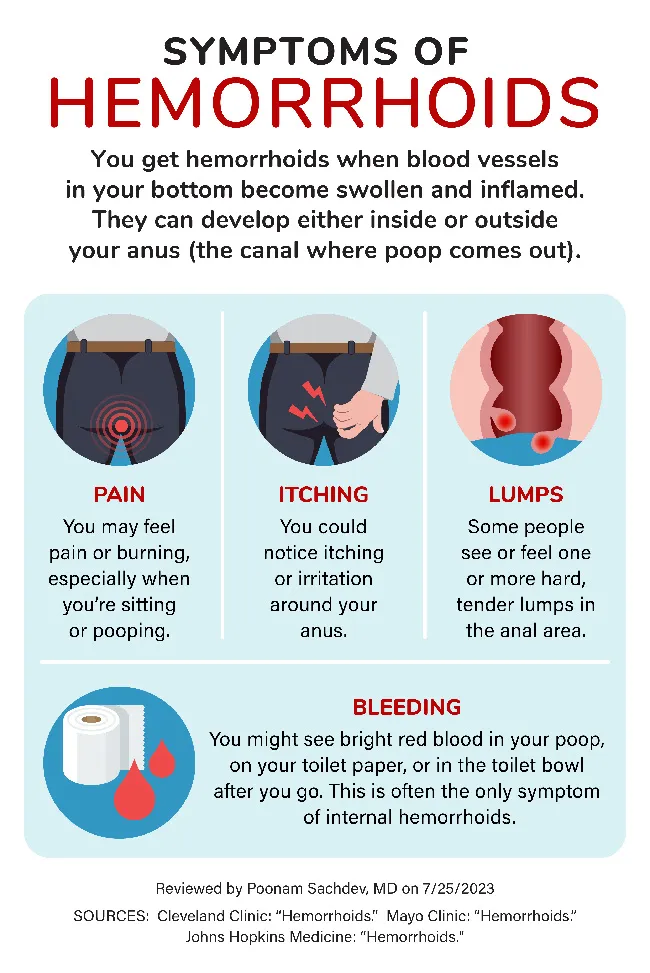
Call a GI if your pattern hasn't reset after two weeks, or keeps shifting every few weeks. Blood, mucus, abdominal pain, fever, or nausea move it up the list.
What a doctor rules out
Celiac, IBD, lactose intolerance, and pancreatic or biliary problems all show up as changed bowel habits. Blood in stool may mean a colonoscopy; if everything is clear, IBS affects 5 to 10 percent of people worldwide.
The headline
The number of trips matters less than the change. If your pattern shifts for two weeks or comes with blood, pain, or fever, see a doctor.