From NPR · · 1m 10s
AI freeze debate: who wins, who loses
Proposed restrictions on AI development could entrench the dominance of large companies while squeezing smaller competitors out of the market.
In brief
Proposed restrictions on AI development could entrench the dominance of large companies while squeezing smaller competitors out of the market. An AI freeze could strengthen big tech companies while harming smaller firms competing in the sector. Originally reported by NPR.
The freeze proposal
Policymakers are considering an AI freeze, a proposed restriction on artificial intelligence development that could reshape the competitive landscape of the technology sector.
Big companies benefit
Large AI companies like OpenAI and Anthropic already have substantial resources and established market positions that would allow them to weather regulatory restrictions more easily than smaller competitors.
Smaller firms squeezed
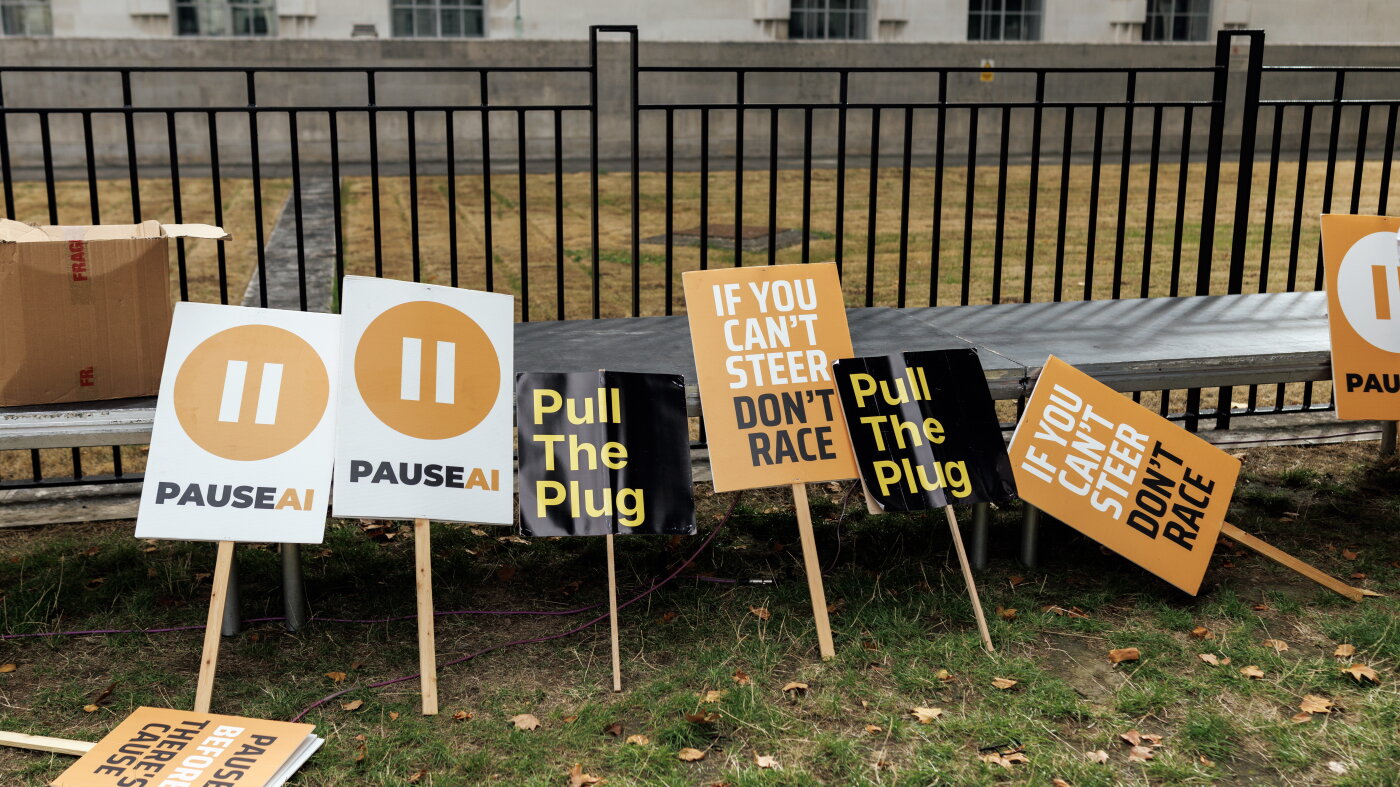
Startups and smaller AI firms lack the financial reserves and infrastructure of major players, making them vulnerable to the compliance costs and development delays an AI freeze would impose.
Market concentration risk
An AI freeze could accelerate market consolidation, allowing dominant companies to strengthen their grip on the sector while smaller competitors struggle to survive regulatory burdens.
The competitive consequence
Rather than slowing AI development broadly, a freeze might simply eliminate competition, leaving the field to the largest, best-resourced companies that can afford to comply with new restrictions.
The big picture
An AI freeze could strengthen big tech companies while harming smaller firms competing in the sector.


/file/attachments/2999/41_389608.png)
/file/attachments/orphans/DMXCREATIONAFRICAROLLOUT-POST9-BIO_471227.png)