From NPR · · 3m
Freedom Caucus faces reckoning as members exit
A decade-old conservative group that shaped Republican politics must reinvent itself as prominent members leave Congress.
In brief
A decade-old conservative group that shaped Republican politics must reinvent itself as prominent members leave Congress. The Freedom Caucus's evolution will reveal whether Republicans return to institutional checks on executive power or embrace Trump-style politics permanently. Originally reported by NPR.
Conservative rebels reshape GOP
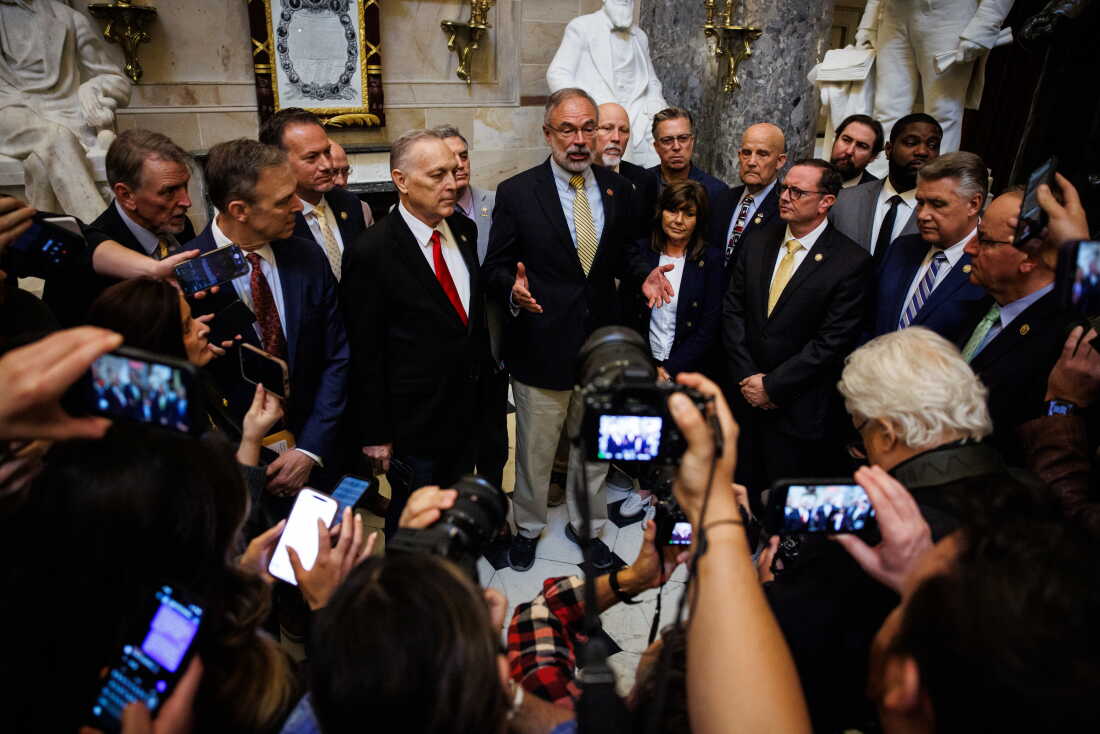
The House Freedom Caucus, formed over a decade ago by Tea Party conservatives, pushed Republicans rightward on spending and social policy. Now at least 10 of its 24-plus members are leaving Congress, forcing the group to reinvent itself.
From outsiders to Trump insiders

Two Freedom Caucus founders, Mick Mulvaney and Mark Meadows, became Trump's White House chiefs of staff. A third founder, John Fleming, served as deputy chief of staff, elevating the group's influence dramatically.
The group's core belief
Members insisted rank-and-file lawmakers should shape policy, not just leadership. This principle frustrated Republican leaders but defined the group's identity for over a decade.
Boehner's blunt assessment
Former Speaker John Boehner called the Freedom Caucus anarchists who wanted chaos. He said they could tell you everything they opposed but nothing they supported.
“They're anarchists. They want total chaos.”
Members defend their record
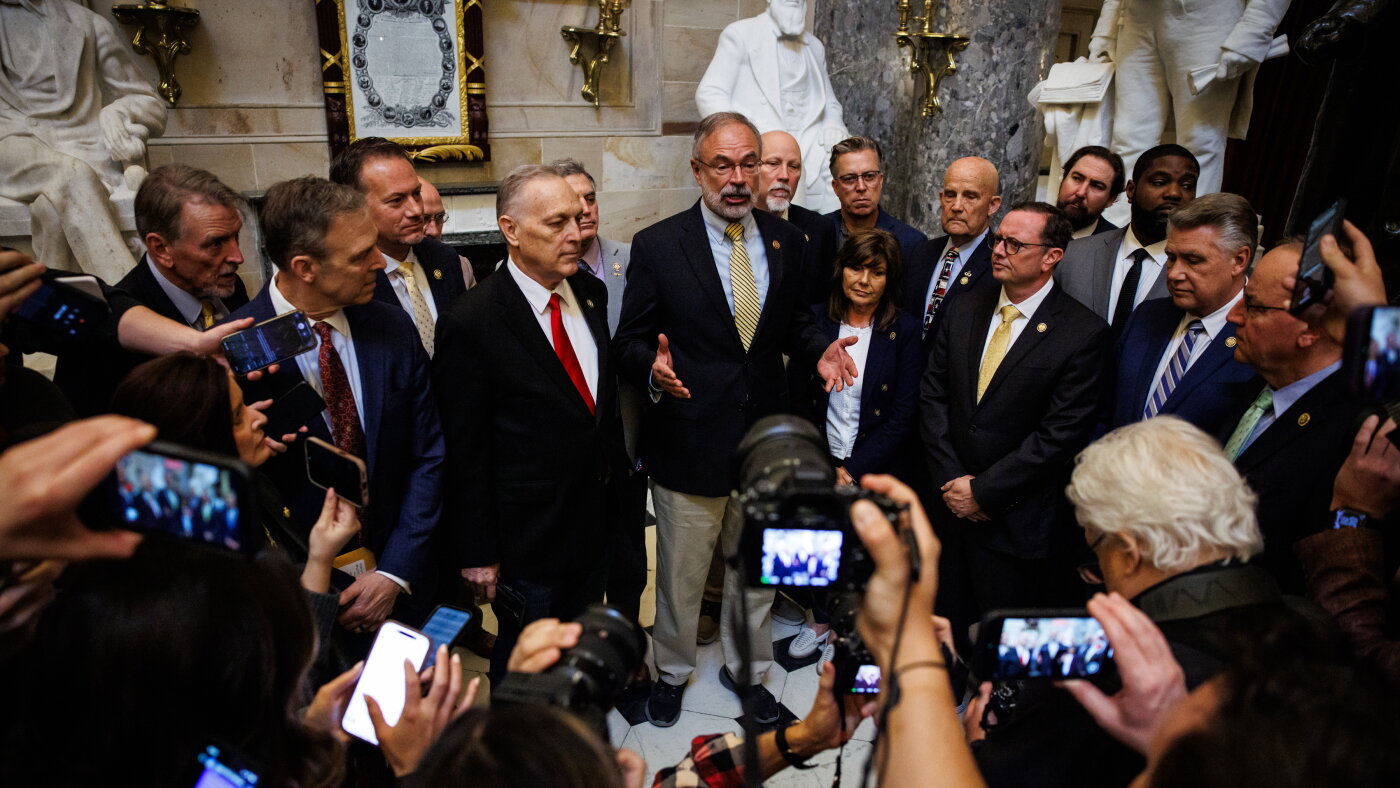
Founders like Matt Salmon said Congress had broken down under leadership control. They formed the group to restore regular order and committee-based bill drafting that had worked in earlier decades.
Jim Jordan's parliamentary tactics
For over a decade, Freedom Caucus members used procedural maneuvers to disrupt legislation and force concessions from Republican leadership on policy and process.
Alignment with Trump shifts priorities
Founder John Fleming said the group's focus on executive accountability faded once Trump took office. He called Trump a breakthrough president aligned with the group's beliefs.
The MAGA connection
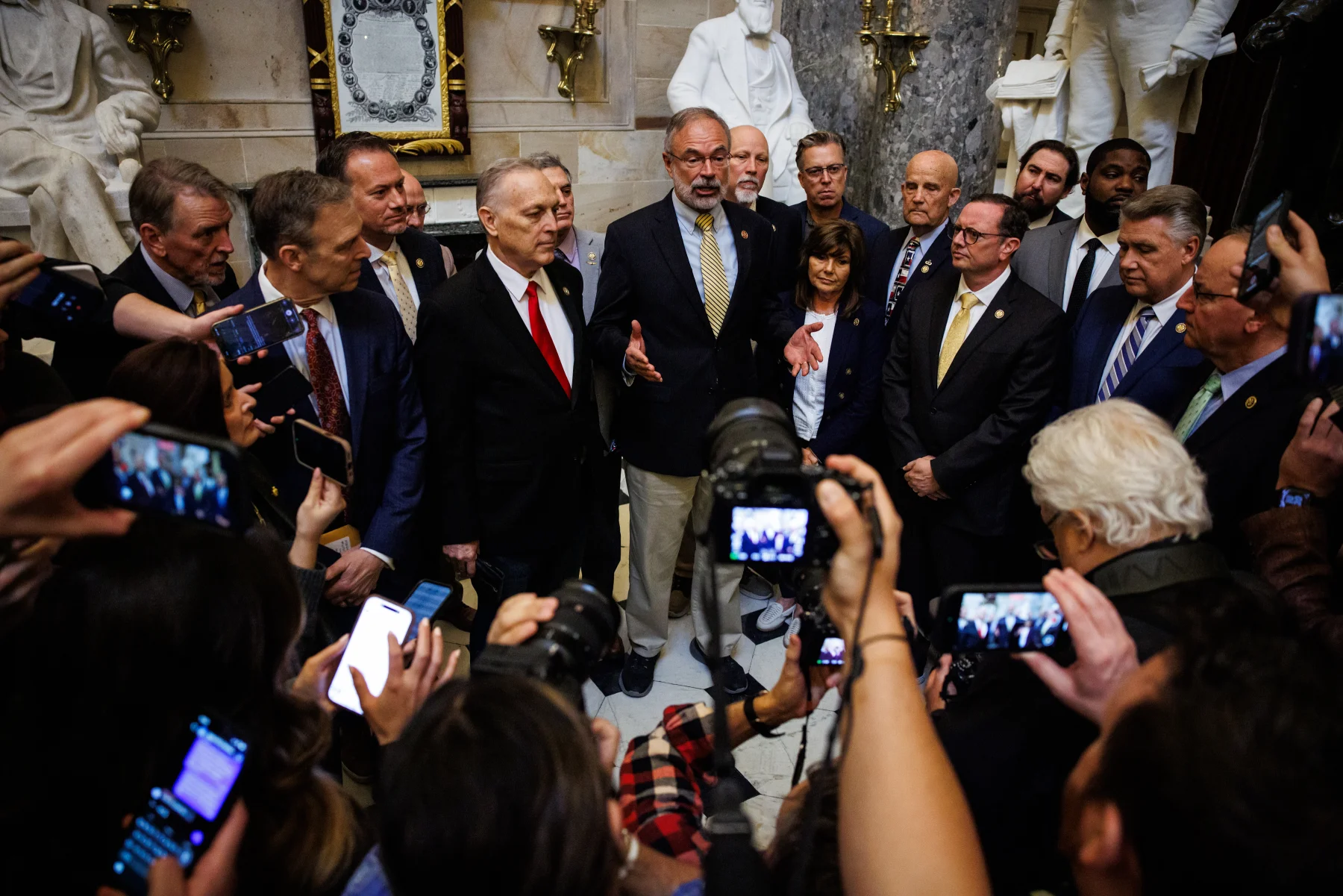
Fleming claimed the Freedom Caucus was MAGA before the slogan existed, suggesting the group's combative style helped define Trump-era Republican politics.
“We were really MAGA before MAGA was cool.”
Alumni rise to prominence
Former members like Ron DeSantis became major party figures. This cycle, three Freedom Caucus members are running for governor with Trump's backing.
Salmon's disappointment
Founder Matt Salmon said the group abandoned its principles by becoming Trump's cheerleaders instead of standing against executive overreach. He criticized members for acquiescing to power.
The power versus principle tension
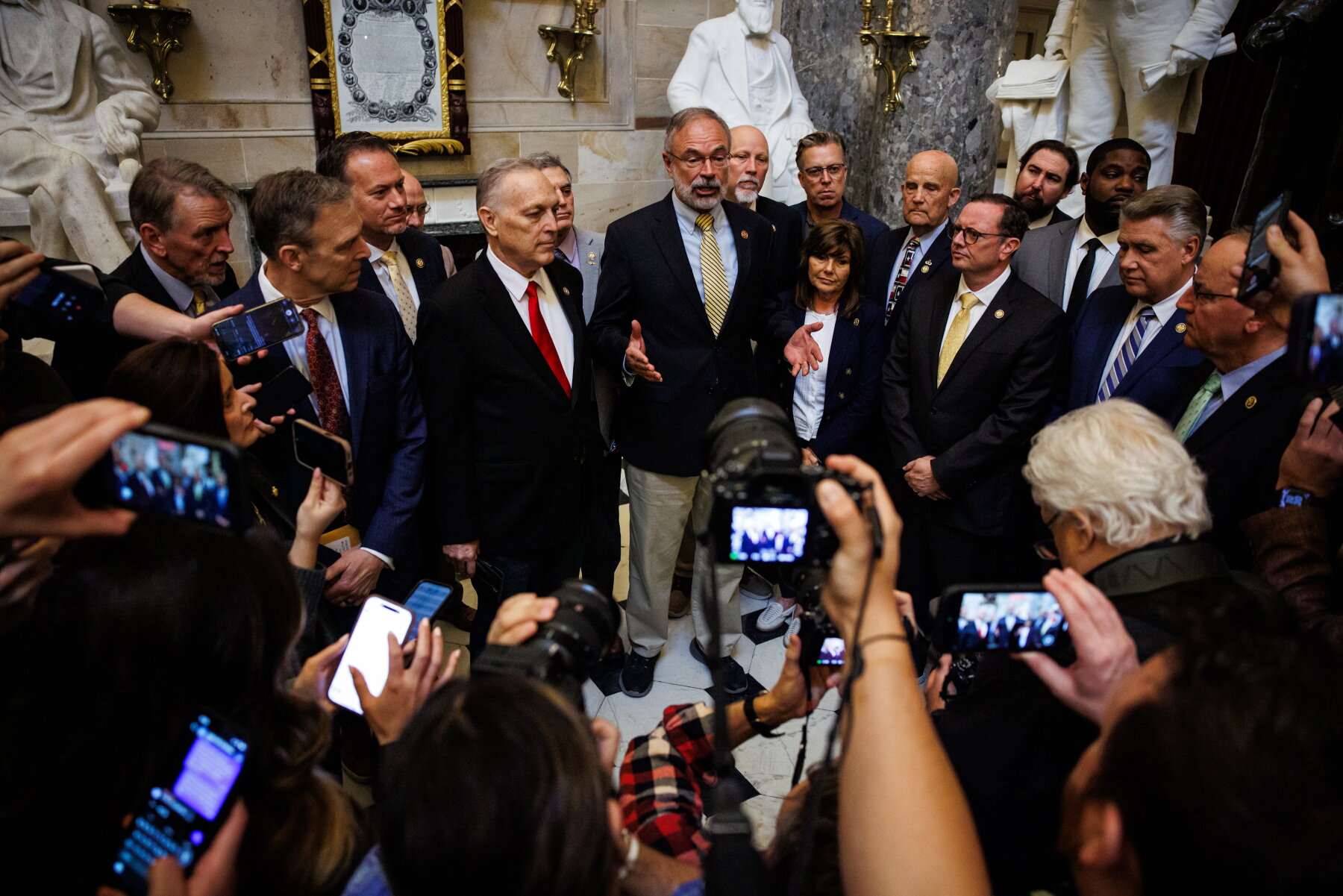
Scholar Matthew Green notes members face a choice: leave over concerns about presidential power, or stay to influence a Republican president. Most choose influence.
Departing members speak out
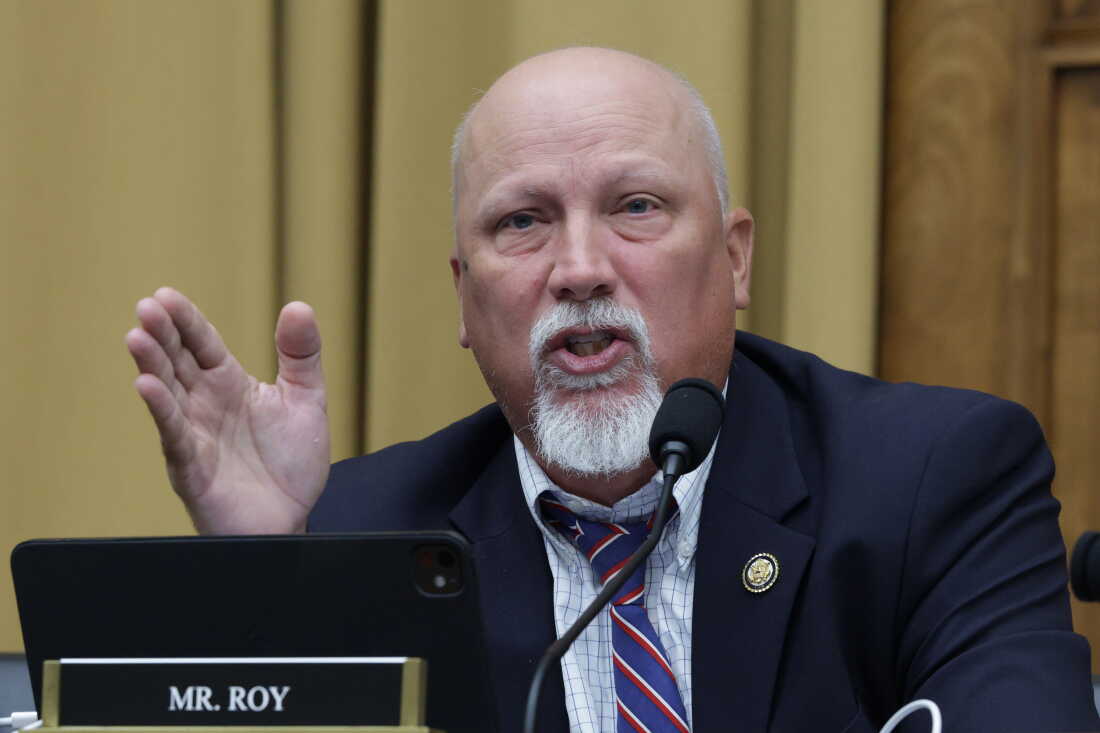
Rep. Chip Roy and Rep. Ralph Norman, both leaving Congress, were vocal civil liberties advocates. Roy said the group can maintain influence from outside Congress.
Mixed legislative record
Despite its tactics, Republican leadership retains near-total control of the legislative process. Jim Jordan thrived by being a reliable ally to leadership, not by opposing it.
What comes after Trump
Fleming suggested the Freedom Caucus will regain relevance if a successor moves back toward normal politics. The group's next chapter depends on whether Republicans embrace institutional checks or Trump-style disruption.
At a glance
The Freedom Caucus's evolution will reveal whether Republicans return to institutional checks on executive power or embrace Trump-style politics permanently.