From Slate Magazine · Rachel Morris · · 1m 40s
Robots Fall, Humans Laugh
Watching robots stumble reveals how we bond with flawed machines.
In brief
Watching robots stumble reveals how we bond with flawed machines. The pratfall effect makes robots relatable by showing failures, easing public anxiety about AI. Originally reported by Slate Magazine.
World Humanoid Games in Beijing
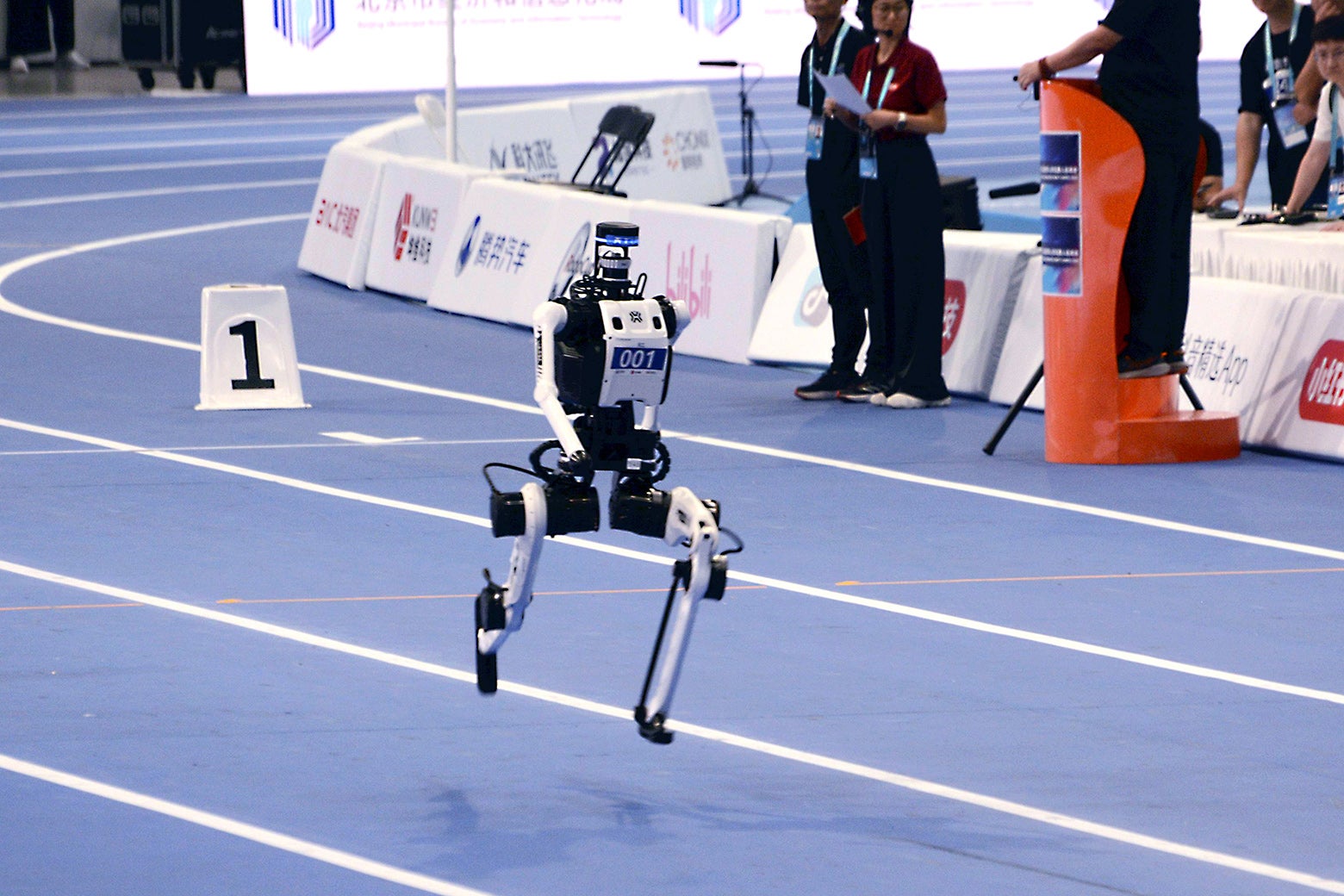
The World Humanoid Games held in late August in Beijing showcased robots sprinting faster than Usain Bolt and jumping 11 feet in the air.
Robot Comedy Moments
Sprinting robots hurtled into walls, soccer matches turned into slow-motion pileups, and boxers attacked the air before toppling over.
Pratfall Effect
The pratfall effect, named from a 1966 psychological experiment, shows highly accomplished people become more appealing when they make minor mistakes.
Robot Relatability
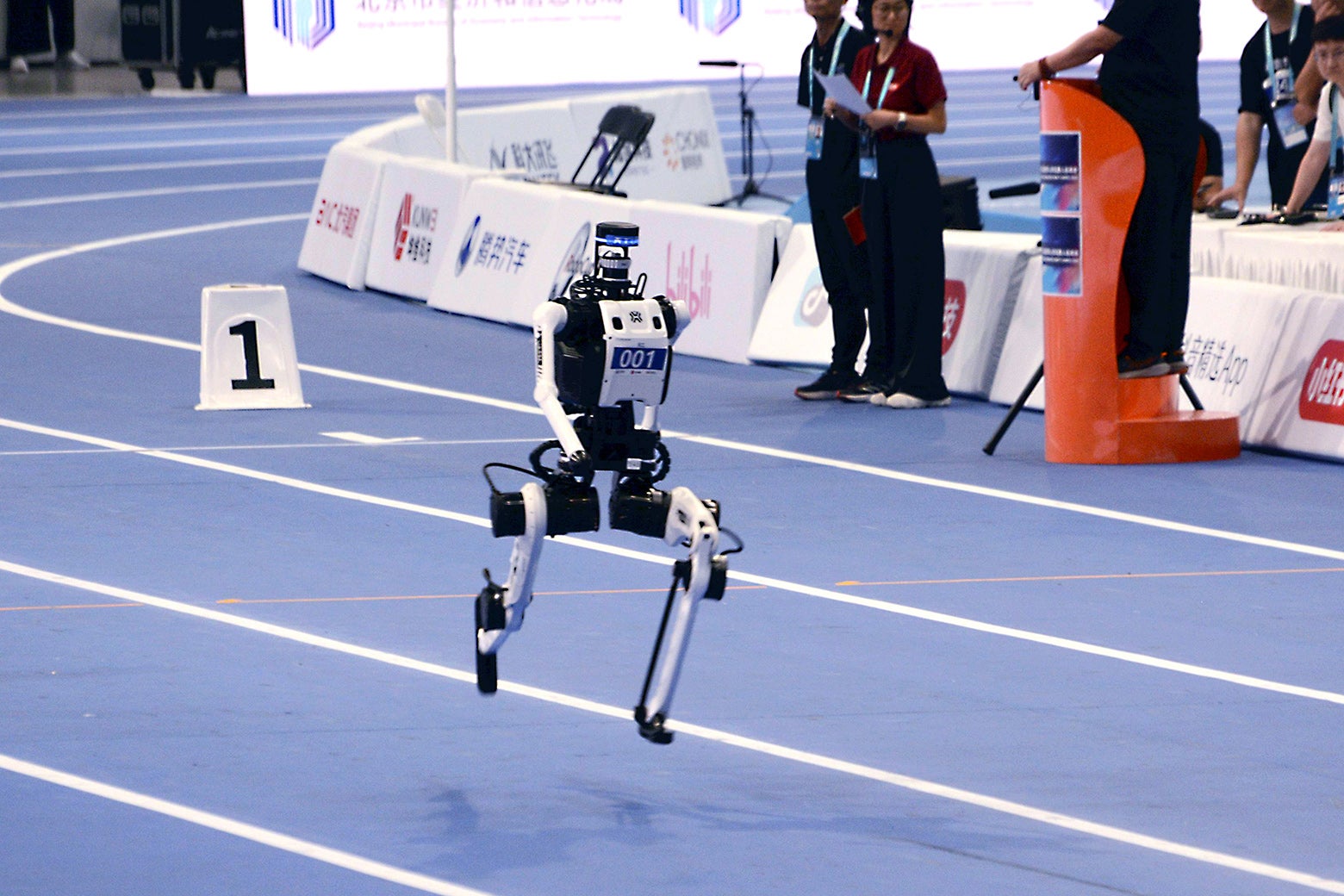
People prefer robots that make non-dangerous mistakes over those that perform flawlessly, creating subconscious bonds with humans.
Carey Morewedge's Insight
Carey Morewedge, a Boston University professor, explained that seeing robots fail builds trust by showing they are like us in other ways.
Social Flubs and Empathy
People feel empathetic embarrassment for robots in uncomfortable situations, including judgmental mistakes or expressing tiredness.
Shy Robot Viral
The Tiangong Omni robot went viral for its awkward running style, waving arms and twisting torso to prevent overheating.
Xenia Bulatov's League
Xenia Bulatov co-founded Ultimate Bots, an underground robot fight club in San Francisco aiming to be a major humanoid sports league.
Failure as PR
Bulatov says showing robot failures builds public trust by making machines relatable and less threatening.
Human-robot Bond
By laughing at robots, we participate in building trust through relatable failures, easing anxiety about AI's future.
The main idea
The pratfall effect makes robots relatable by showing failures, easing public anxiety about AI.