From TIME · Katharine Hayhoe · · 2m
Climate change isn't partisan, stop treating it like it is
Climate disasters affect everyone regardless of politics. We need to talk about it more, and connect it to everyday life.
In brief
Climate disasters affect everyone regardless of politics. We need to talk about it more, and connect it to everyday life. Climate change impacts everyone equally, so framing it as a partisan issue silences the conversation we need to have about shared solutions. Originally reported by TIME.
Disasters don't care about politics
This summer's floods and wildfires showed that climate impacts affect everyone equally. A flood doesn't ask who you voted for before destroying your home.
“A flood doesn't knock on your door and ask who you voted for in the last election before it sweeps your house away”
Climate communicators focus on facts
Top climate organizations surveyed say their goal isn't to advocate for candidates or policies, but to help people understand what's happening and why it matters.
“Almost none said that advocating for candidates or policies was the goal of their work.”
Climate change is loading the dice
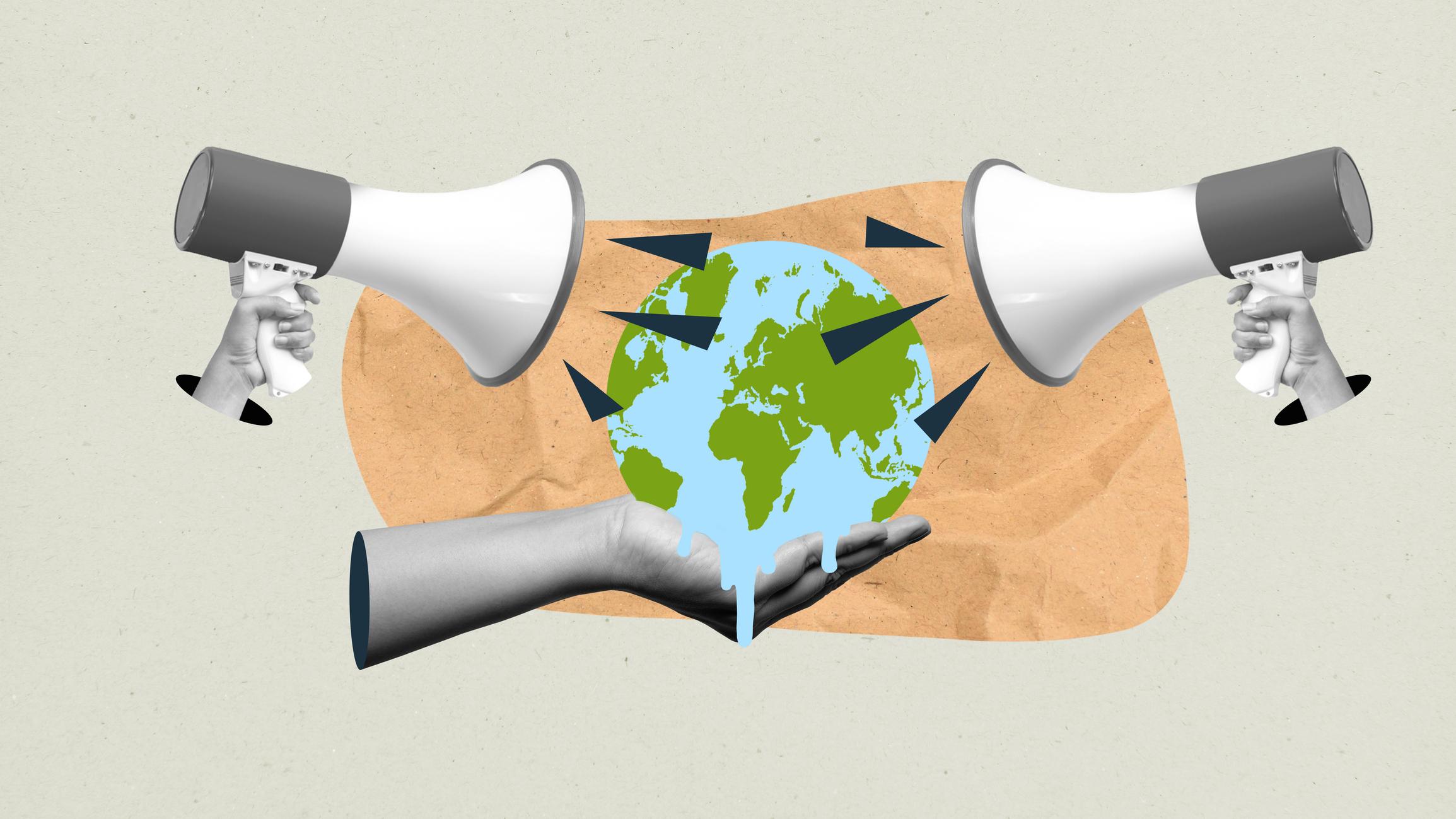
Extreme heat deaths are vastly under-reported. Air pollution from fossil fuels and wildfires increases asthma, dementia, and premature death. Climate-related costs already add $400 to $900 yearly to household budgets.
Understanding causes drives action
When people connect what's happening to why it's happening, their support for climate action grows. This pattern holds across the U.S., Canada, and dozens of other countries.
We're not talking about it enough
Just under half of Canadians and 41% of Americans read about climate change weekly. Only 20% of Americans discuss it with family a few times monthly. 44% never discuss it at all.
Polarization blocks the conversation
Polarized public discourse makes climate conversations harder. Articles about Nepal floods, rising insurance costs, and wildfire health risks often fail to connect these issues to climate change.
Connect climate to everyday concerns
Climate communicators prioritize linking the crisis to what people already care about: jobs, health, and the places they love. Climate change isn't a rival to those worries, it's already shaping them.
Knowing others care matters most
71% of Canadians and 63% of Americans worry about climate change, but most keep it private. When people hear neighbors and friends discussing it, they're more willing to speak up themselves.
“knowing that others care best predicts whether people speak up”
Communicators lack funding and support
Only 41% of climate communicators received financial support in the past five years. A third work entirely alone, and two-thirds work with ten or fewer colleagues. Yet nearly eight-in-ten publish content weekly.
We all need to be communicators
Friends and family are trusted messengers who can start pro-climate conversations. Stop letting those who want to delay climate action polarize the issue. We all need to talk about it as a shared challenge.
“We all need to become climate communicators and stop letting those who want to delay climate action as long as possible polarize it and silence us.”
The big picture
Climate change impacts everyone equally, so framing it as a partisan issue silences the conversation we need to have about shared solutions.