From TIME · Alice Park · · 3m
New weight-loss drugs promise fewer side effects
Amylin-based medications show promise as alternatives to GLP-1 drugs, causing less nausea and stomach trouble while delivering comparable weight loss.
In brief
Amylin-based medications show promise as alternatives to GLP-1 drugs, causing less nausea and stomach trouble while delivering comparable weight loss. Pharmaceutical companies report that amylin-based weight-loss drugs produce similar weight loss to GLP-1 medications but with fewer gastrointestinal side effects…
GLP-1 drugs work but cause problems
Weight-loss medications that mimic GLP-1, a gut hormone, have become hugely popular for treating weight issues and diabetes. But roughly forty percent of people stop taking them within a year because of side effects affecting the digestive system.
Amylins offer a different approach
Researchers at the European Association for the Study of Diabetes meeting in Milan presented results from a new group of injectable medications called amylins. These work similarly to GLP-1 drugs by curbing appetite and encouraging stomach emptying, but target different cell receptors and cause fewer side effects like nausea, vomiting and stomach cramping.
Novo's CagriSema shows strong results
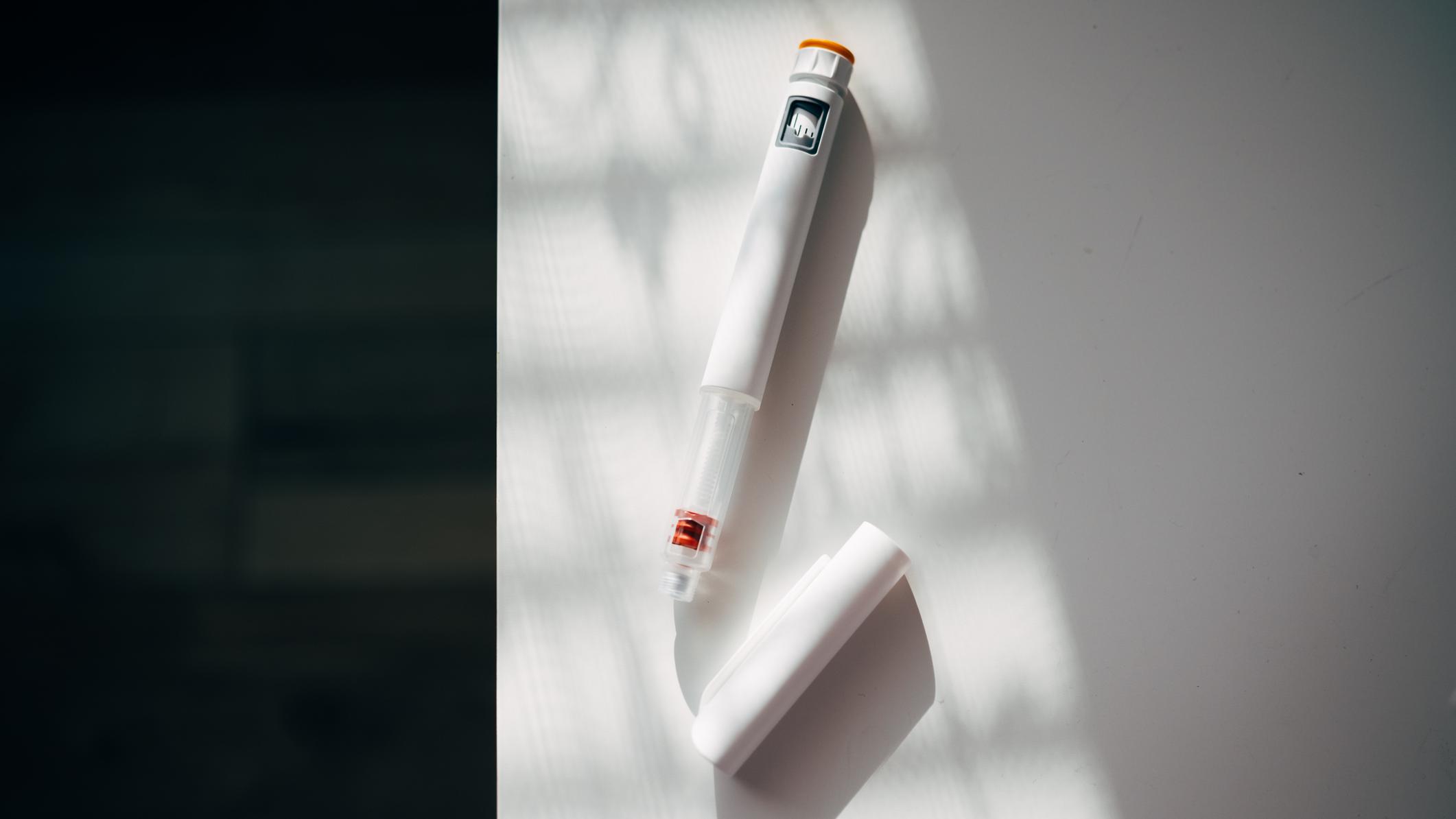
Scientists from Novo, which makes Wegovy and Ozempic, reported that their experimental amylin based compound CagriSema helped people lose twenty two point four percent of their starting body weight after a year compared to placebo. The drug also reduced harmful fat in the liver and pancreas of people with Type two diabetes.
Novo executive sees broader benefits
Martin Holst Lange, executive vice president and chief scientific officer at Novo, said the company found CagriSema can reduce neuropathic pain, which affects about half of people with Type two diabetes. He stated the drug can do more than weight loss and blood sugar control to help people in their everyday life.
“It's super exciting because we are showing that beyond weight loss and glycemic control, CagriSema can do more to help people in their everyday life.”
Eli Lilly's combination drug outperforms
Eli Lilly, which makes Zepbound, reported that its experimental drug EloraTZP helped people with overweight or obesity and Type two diabetes lose twenty three percent of their starting body weight compared to fourteen point eight percent using tirzepatide alone after nearly a year. The combination also lowered A one C more than either drug alone.
Zealand's petrelintide works without diabetes
Zealand Pharmaceuticals, a Danish biotech company, shared results from its amylin based compound petrelintide published September twenty ninth in the Lancet. It helped people who were overweight or obese but without diabetes lose on average ten percent of their body weight, with side effect rates similar to placebo.
Amylins could become first line therapy
Dr. Timothy Garvey, who led the petrelintide trial, said amylin drugs cause nausea at less than half the rate of G L P one trials and could be a welcome option for people needing moderate weight loss. Novo has requested F D A approval for CagriSema to treat overweight and obesity without diabetes, with a decision expected by year end.
“The amylins still cause some nausea, but it's at less than half the rate of what we generally see in GLP-1 trials.”
The key point
Pharmaceutical companies report that amylin-based weight-loss drugs produce similar weight loss to GLP-1 medications but with fewer gastrointestinal side effects, potentially offering patients better options.