From TIME · Angela Haupt · · 5m
Seven fall yard habits that help pollinators survive winter
Stop raking leaves and mowing everything. Small changes to your fall cleanup routine can shelter bees, butterflies, and other insects through the cold months.
In brief
Stop raking leaves and mowing everything. Small changes to your fall cleanup routine can shelter bees, butterflies, and other insects through the cold months. Leave leaves, stems, and dead wood in designated yard areas instead of removing them all, and avoid spraying pesticides preventively, because these materials…
Leaves aren't garbage
A study of eight bags of leaves collected for disposal in Buffalo found insects from over 25 families, including bees, wasps, lacewings, and beetles at every life stage. What looks like trash is actually critical habitat.
“This is part of the ecology of our system. This could be habitat or resources.”
What hides in your yard
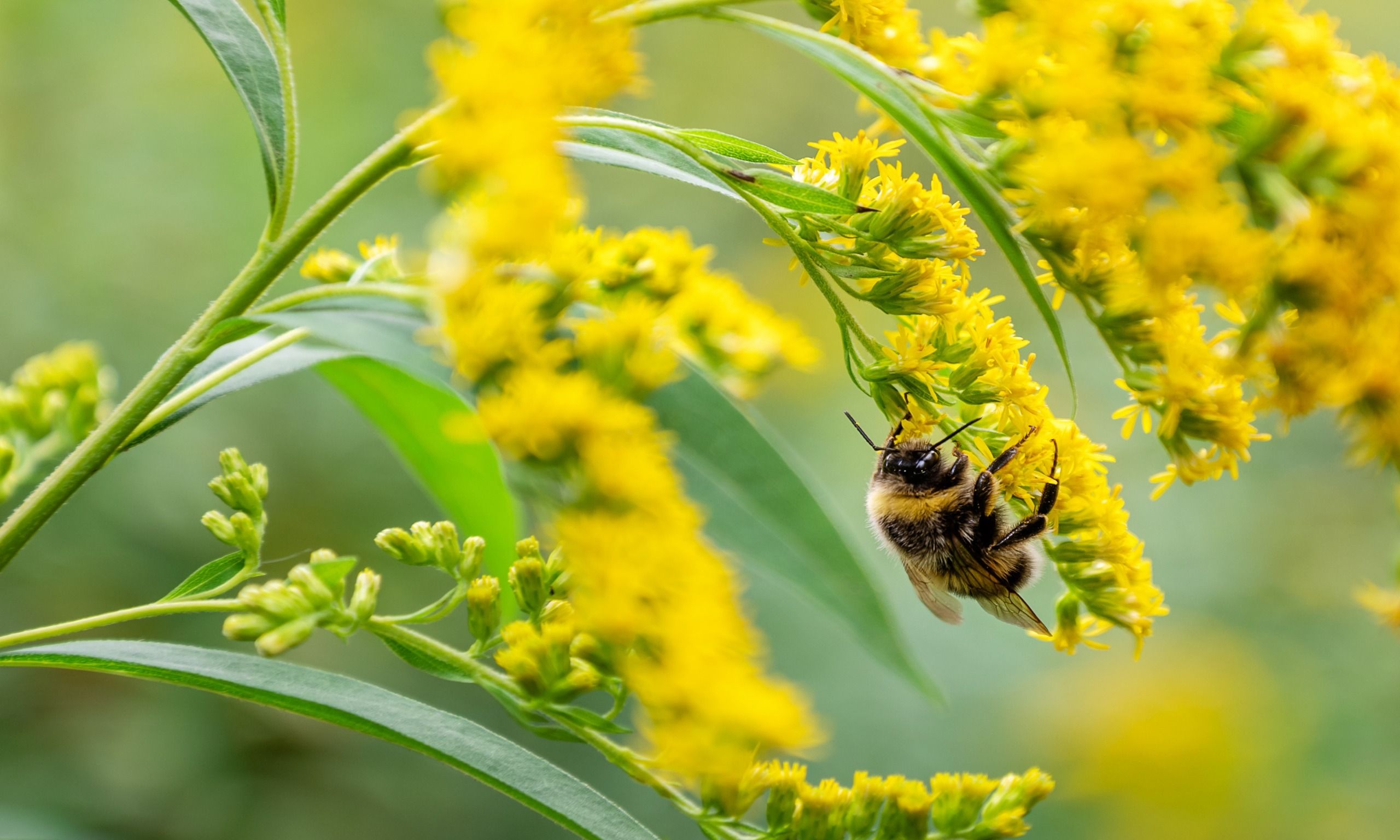
Queen bumblebees shelter just beneath soil. Native bees and ladybugs live in hollow stems. Beetles and flies hide in spent flower heads while birds eat the seeds. All this activity continues through winter.
Your yard is an ecosystem
.jpg?branch=production&width=2119&quality=75&auto=webp&crop=16:9)
Pollinators include native bees, butterflies, moths, beetles, flies, and some wasps. The same habitat supports predators and decomposers that keep ecosystems functioning. Even a small yard counts.
“You have an ecosystem. It may be a really tiny one.”
Choose one corner to leave alone
Divide your yard into zones. Keep high-traffic areas and walkways maintained, but designate one quieter space under a tree, behind shrubs, or at the back of a bed where leaves and stems can remain.
“You don't have to manage your entire property the same.”
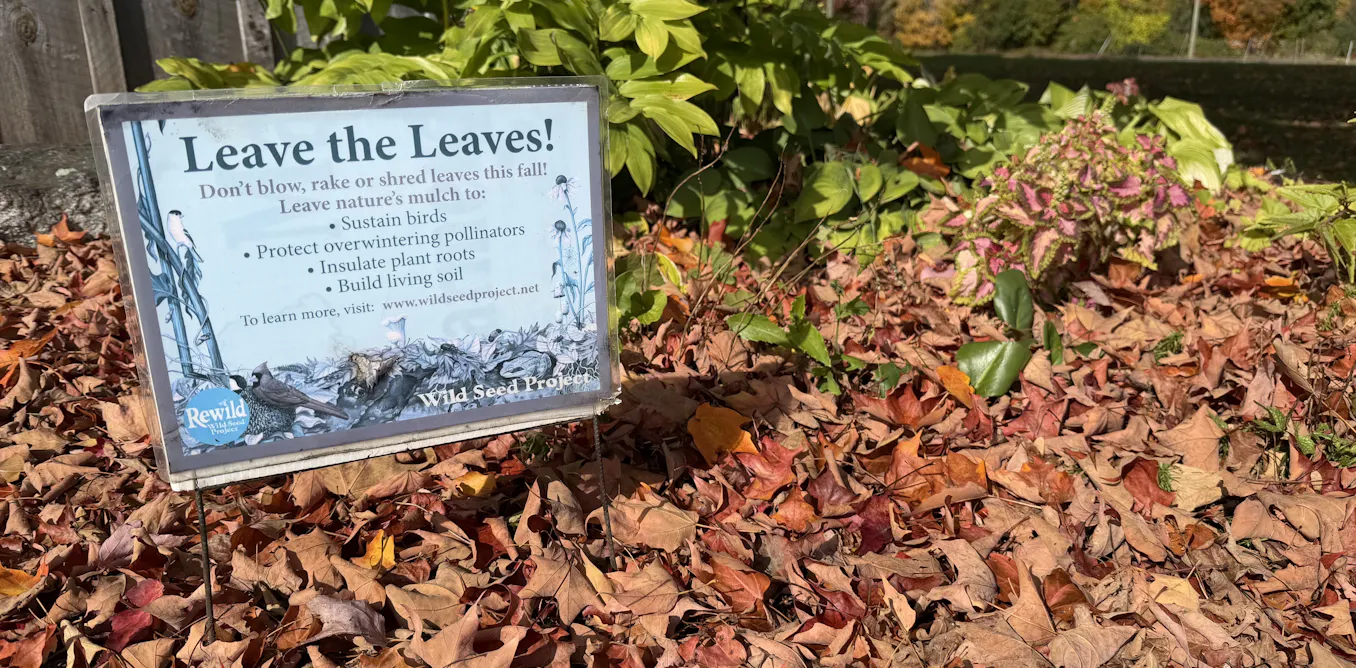
Post a sign to explain
If you're worried neighbors will mistake habitat for neglect, put up a pollinator or native-plant sign. It signals that you're gardening with purpose, not just being lazy.
“It's a clue to neighbors and passersby that we're gardening a little differently.”
Mow less as fall arrives
As grass growth slows in fall, space out mowing and leave it taller. Once insects have settled into a designated habitat area, leave it undisturbed through winter rather than mowing it down.
Rake leaves into beds
Move leaves off turf and pavement into garden beds or under trees, aiming for a layer three to five inches deep. Leaves insulate bumblebee queens, shelter butterflies and moths, and return nutrients to soil.
“Nature knows what it's doing. We don't have to clean it up.”
Shred leaves early if needed
If you shred leaves with a mower, do it early in the season before insects settle in for winter. Shredding occupied leaves kills the invertebrates inside them.
“If you leave all those leaves and then start chopping them up, you're chopping up lots of invertebrates, too.”
Know when to remove leaves
Diseased plant material and invasive plants should be removed. Keep leaf litter away from play spaces and heavily used paths due to ticks. In wildfire-prone regions, follow local defensible-space rules.
Leave stems and seed heads
Hollow stems serve as nesting sites. Flower heads shelter beetles and flies. Seed heads feed birds through winter. Leave most plants standing, or trim only some to varying heights.
“They look dead to you. But they haven't clocked out yet.”
Gather tall stalks with twine
For especially tall stems that might topple, gather them with twine to create an architectural feature. This keeps them standing while preventing a botanical pileup.
Expose some bare ground
Many native bees nest in the ground, burrowing a few inches into exposed soil. Pull back mulch in a quiet spot to create small openings where ground-nesting bees can access the soil.
Keep some logs and branches
Decaying logs, sticks, and brush piles provide shelter for insects and wildlife. Move dead branches into a corner behind shrubs rather than removing them entirely.
“Keep some of the sticks, keep some of the larger pieces of wood. It really does provide structure and habitat.”
Plant one native species
Fall is an excellent planting time in many regions. Cooler temperatures reduce stress and nurseries discount tired-looking perennials. Start with one or two species suited to your local conditions.
Oak trees are superstars
Across the U.S., oaks support hundreds of species of butterfly and moth caterpillars. If you lack space for a large tree, native shrubs, grasses, and flowering perennials still provide ecological value.
“The oak tree is the superstar.”
Choose plants that produce seed
When shopping for native plants, ask whether cultivated varieties still produce pollen, nectar, and seed. Some sterile cultivars provide nectar but no seeds for birds, making them less useful.
“You don't want sterile plants. You want plants that actually produce seed.”
Collect seeds from fall plants
Gather mature seeds from native plants you already grow and spread them elsewhere on your property. Many milkweed seeds need winter cold to germinate, so plant them in fall.
Stop spraying preventively
Use pesticides and herbicides only to treat specific problems, not automatically with the seasons. Broad-spectrum insecticides kill beneficial insects. Herbicides eliminate plants that feed insects.
“They kill every insect. They're not specific.”
A few holes are okay
A chewed leaf shows native plants are feeding the ecosystem as intended. Flawless foliage isn't useful to a caterpillar, and a few holes usually won't kill a healthy plant.
“I'm supporting the ecosystem. I'm so glad these insects are finding a resource here.”
You'll see results quickly
In a 2026 National Wildlife Federation survey, 96 percent of wildlife gardeners said the practice improved their mental health. Most saw butterflies and birds within a season.
“Within a season, you're seeing the wildlife come. You're seeing the butterflies.”
The headline
Leave leaves, stems, and dead wood in designated yard areas instead of removing them all, and avoid spraying pesticides preventively, because these materials provide essential winter shelter and food for pollinators and other beneficial insects.