From TIME · Tiago Ventura · · 3m
Seven months in, the Iran war has no exit
A war Trump said would take five weeks is strangling two of the world's busiest shipping lanes, and neither side will blink.
In brief
A war Trump said would take five weeks is strangling two of the world's busiest shipping lanes, and neither side will blink. Iran doesn't need to win the war, it just needs to outlast a country where voters feel $6 diesel and Tehran's voters don't get a say. Originally reported by TIME.
Five weeks became seven months
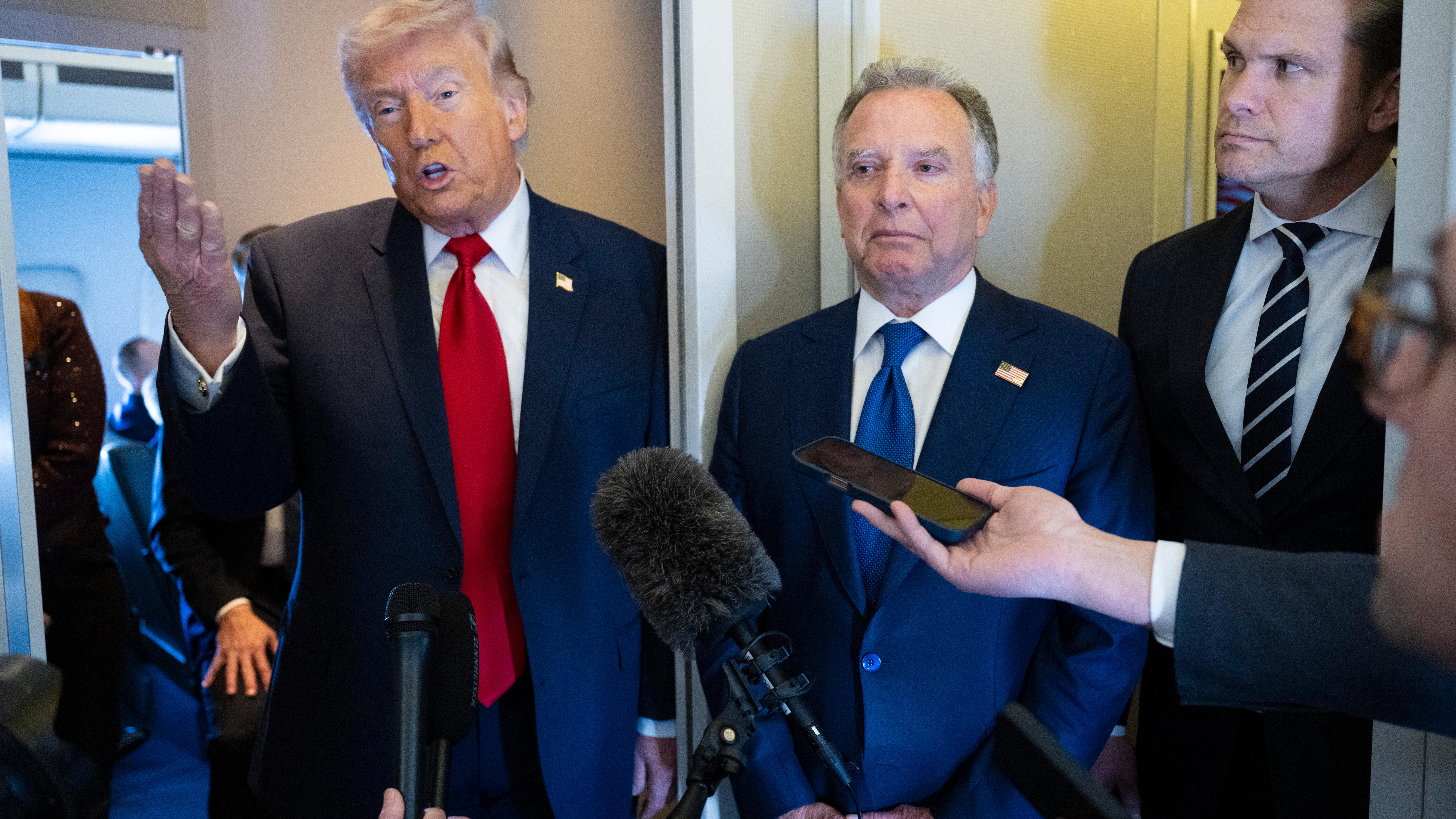
Trump predicted the Iran war would last four to five weeks. It started Feb. 28 and is still running, with no timeline for an end.
Tankers under fire again
Fighting restarted this month around the Strait of Hormuz, with oil tankers hit. Iran wants a chokehold on the route while the U.S. blockades its ports.
A fifth of the world's oil
Roughly 20% of global oil production moved through Hormuz before the war. The strait is now a military stalemate and traffic has collapsed.
Ten ships instead of 138
Kpler data shared with TIME shows only 10 vessels crossed Hormuz on Monday. Before the war, a typical 24 hours saw 138.
“oil is flowing”
Oil back above $100
Prices topped $100 a barrel last week for the first time since July. Energy markets are spiraling as the disruption drags on.
The Houthis take Perim Island
Yemen's Iran-backed Houthis captured the strategic island in the Bab el-Mandeb last week, breaking a four-year informal cease-fire with the Saudi-backed government.
The backup route is closing
Bab el-Mandeb links Asia and Europe via the Red Sea and Suez. It absorbed the Hormuz overflow, with crude transit rising from 5.6 to 8.1 million barrels a day.
“the alternate Red Sea has been a very important release valve for the blockage of the Strait of Hormuz”
Iran's new card
The Houthis say they'll spare all shipping except Saudi tankers. Experts told TIME the mere threat hands Tehran leverage in any future talks.
“the Iranians now have a new card they can use, and they haven't totally used [it] yet, but they will”
Talks keep slipping
Gulf states, home to U.S. bases hit by Iranian strikes, postponed a Monday meeting with Tehran on reopening Hormuz. Negotiations remain stalled.
Trump says he's open
On Monday he said the U.S. is open to restarting talks, claiming Iran wants a deal "quickly and badly." The last official session was in Switzerland in June.
“I will determine whether or not the U.S.A. will choose to engage”
Two weeks earlier, the opposite
On Sept. 2 he said he wasn't trying to force Iran to the table and preferred the current position. On Sept. 9 he predicted the war ends right after the November midterms.
“I couldn't care less if they sign a worthless, to them, agreement.”
Maximalism kills the deal
Ali Vaez of the International Crisis Group says wanting a deal isn't the same as getting one. The approach decides it.
“If it's maximalist, then it doesn't stand a chance of succeeding”
Iran's answer: conditions first
Security council secretary Mohsen Rezaei told Tehran to ignore Trump's mixed signals. Iran has six unmet demands before Hormuz fully reopens.
“No talks until Iran's conditions are met. Period!”
The June pact that collapsed
President Pezeshkian offered to reciprocate if Washington returned to the June 17 memorandum. That interim deal fell apart over clashing readings of its language.
Tehran can wait
Chatham House's Farea Al-Muslimi says Iran is negotiating to stall while energy prices climb. No elected parliament means no pressure to stop.
“They can wait. They can afford it… they are not allergic to pain.”
Americans pay the bill
Diesel hit a record $6 a gallon. The CBO puts the war's cost at about $38 billion plus added inflation, and 68% of Americans rate Trump's handling negatively.
The short version
Iran doesn't need to win the war, it just needs to outlast a country where voters feel $6 diesel and Tehran's voters don't get a say.