From The Conversation · Pawan Jain · · 3m
AI scams are hitting your family, not just banks
The FBI logged $893 million in AI-linked fraud losses last year, and most of it starts with a phone call.
In brief
The FBI logged $893 million in AI-linked fraud losses last year, and most of it starts with a phone call. Hang up and call back on a number you already know. That one habit breaks almost every AI scam. Originally reported by The Conversation.
A voice you know, faked

A panicked grandson calls about an accident and needs money fast. It is software that learned his voice from a clip posted online, dialing through a list of numbers.
The money left the building

Cyber warnings have focused on corporate networks and government systems. Follow the FBI's fraud data and the real drain is from ordinary household accounts.
893 million dollars, year one
The FBI's Internet Crime Complaint Center tracked AI-linked complaints for the first time in its 2025 report: 22,000 cases, about $893 million lost. Investment fraud alone took $632 million.
And that is the floor
Those numbers count only people who reported and only cases where AI's role was visible. Deloitte projects U.S. fraud losses hitting $40 billion by 2027, up from $12.3 billion in 2023.
Old cons, new machinery
None of these scams are new. AI changed the cost and the quality. Cloning a voice takes seconds of audio and cheap consumer tools, and listeners in one study spotted the fake only 60% of the time.
“What AI changed is the cost and the quality of the cons.”
A meeting full of deepfakes
In 2024 a finance employee at design firm Arup wired about $25 million after a video call staffed by deepfakes of the CFO and several colleagues.
Phishing learned grammar
Bad wording used to give scam emails away. Language models write clean, fluent messages and personalize them at scale using details scraped from social media.
Panic is the product
These scams are built around fear and urgency. Stress narrows attention and pushes you toward fast judgments exactly when you need slow ones, and people defer to a boss's face or a government letterhead.
“Nobody plans to make a major financial decision mid-panic. That's exactly why scammers manufacture the panic.”
Smooth reads as true
Fluency itself lowers your guard. A message with no typos, in a voice that sounds exactly right, sails past defenses a clumsy fake would have tripped.
The attack with no call
Stolen data sells for a few dollars on dark web markets, then feeds AI agents that test credentials around the clock. Anthropic disrupted a campaign where an agent did 80% to 90% of the intrusion work against 30 targets.
Instant payments, instant loss
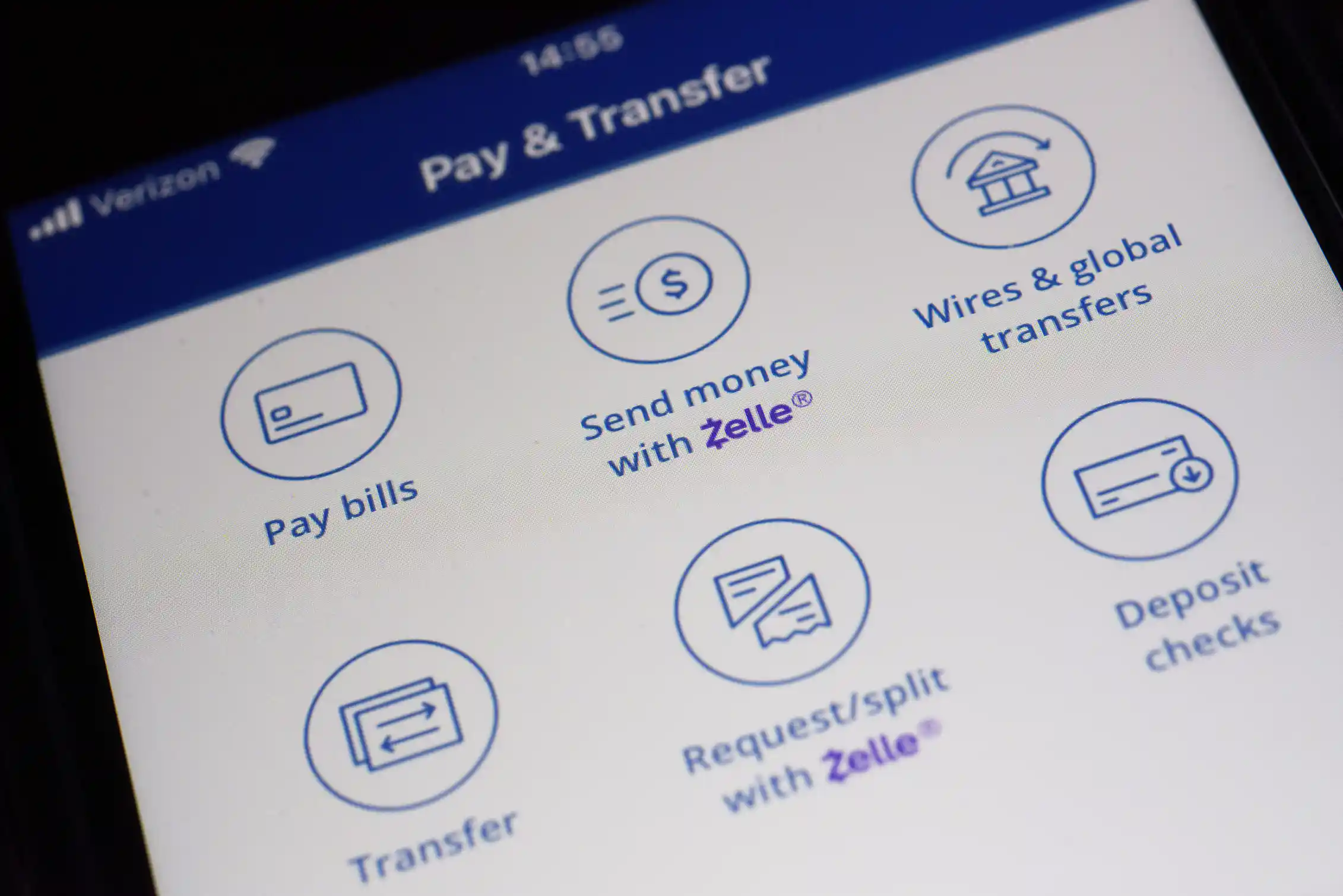
Once an attacker is inside an account, the takeover can finish in minutes. Platforms like Zelle, built for speed, become the getaway car, and the money is almost never recovered.
Borrow the bank's procedures
Hang up and dial a number you already know. Set a family code word for emergencies, require two people to approve big transfers, and impose a 24-hour wait. Urgency is their tool. Slowness is yours.
Lock the accounts, then call
Turn on two-factor login, never read a verification code to a caller, switch on transaction alerts, and freeze your credit. If money already moved, call the bank for a recovery attempt, then report it to the FTC.
Britain made banks pay
Since late 2024 U.K. banks must reimburse most scam victims up to £85,000. Since then 88% of eligible losses have been returned and scam losses fell about a fifth in year one.
“When banks bear the losses, they find ways to prevent them.”
The short version
Hang up and call back on a number you already know. That one habit breaks almost every AI scam.