From The Conversation · Ornob Alam · · 1m 30s
Ancient people used wild plant genetics to domesticate rice and corn
Ancient humans selected existing genetic traits in wild plants to create domesticated crops like rice and corn.
In brief
Ancient humans selected existing genetic traits in wild plants to create domesticated crops like rice and corn. Ancient people used pre-existing genetic variation in wild plants to domesticate crops such as rice and corn over thousands of years. Originally reported by The Conversation.
Ancient rice cultivation began
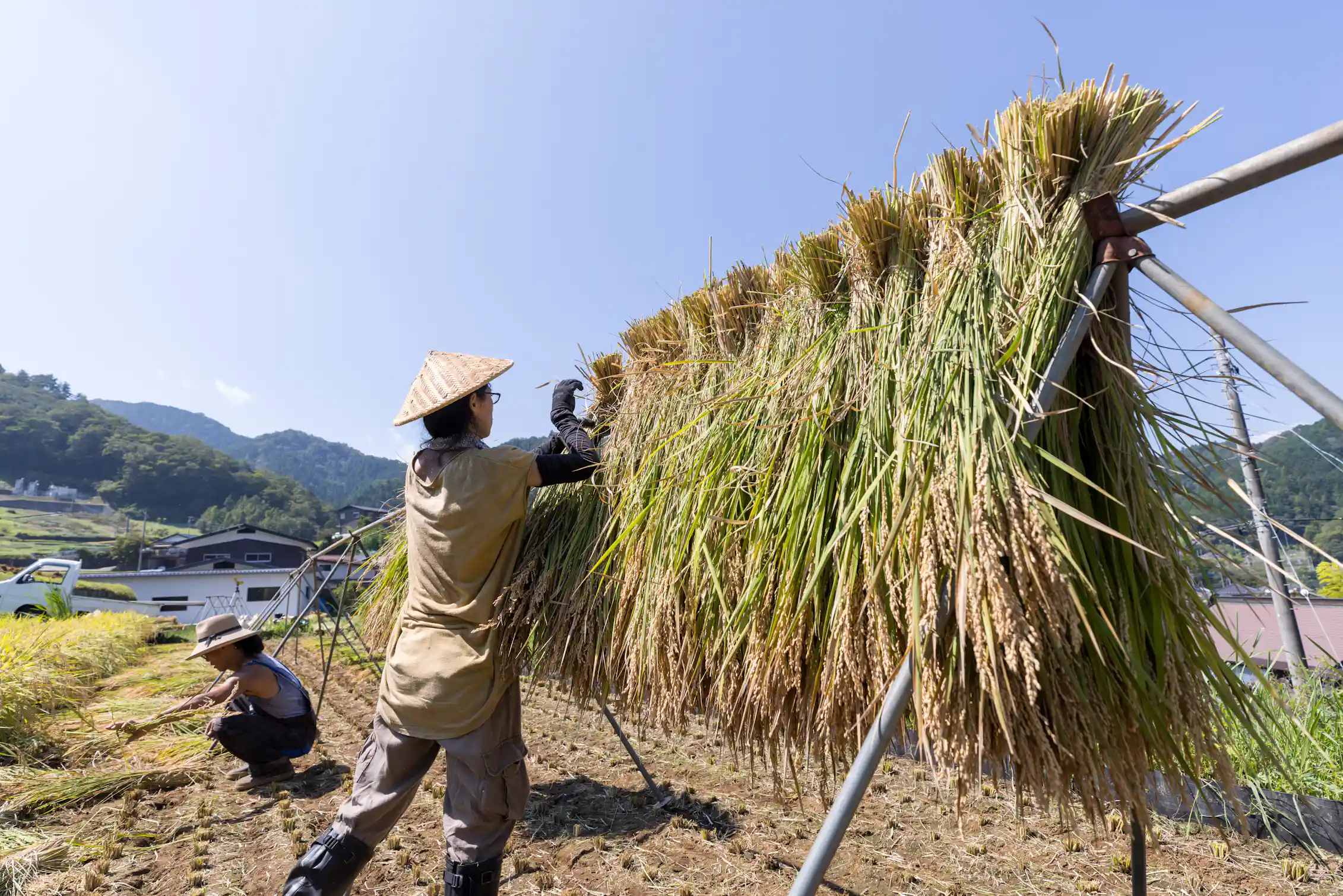
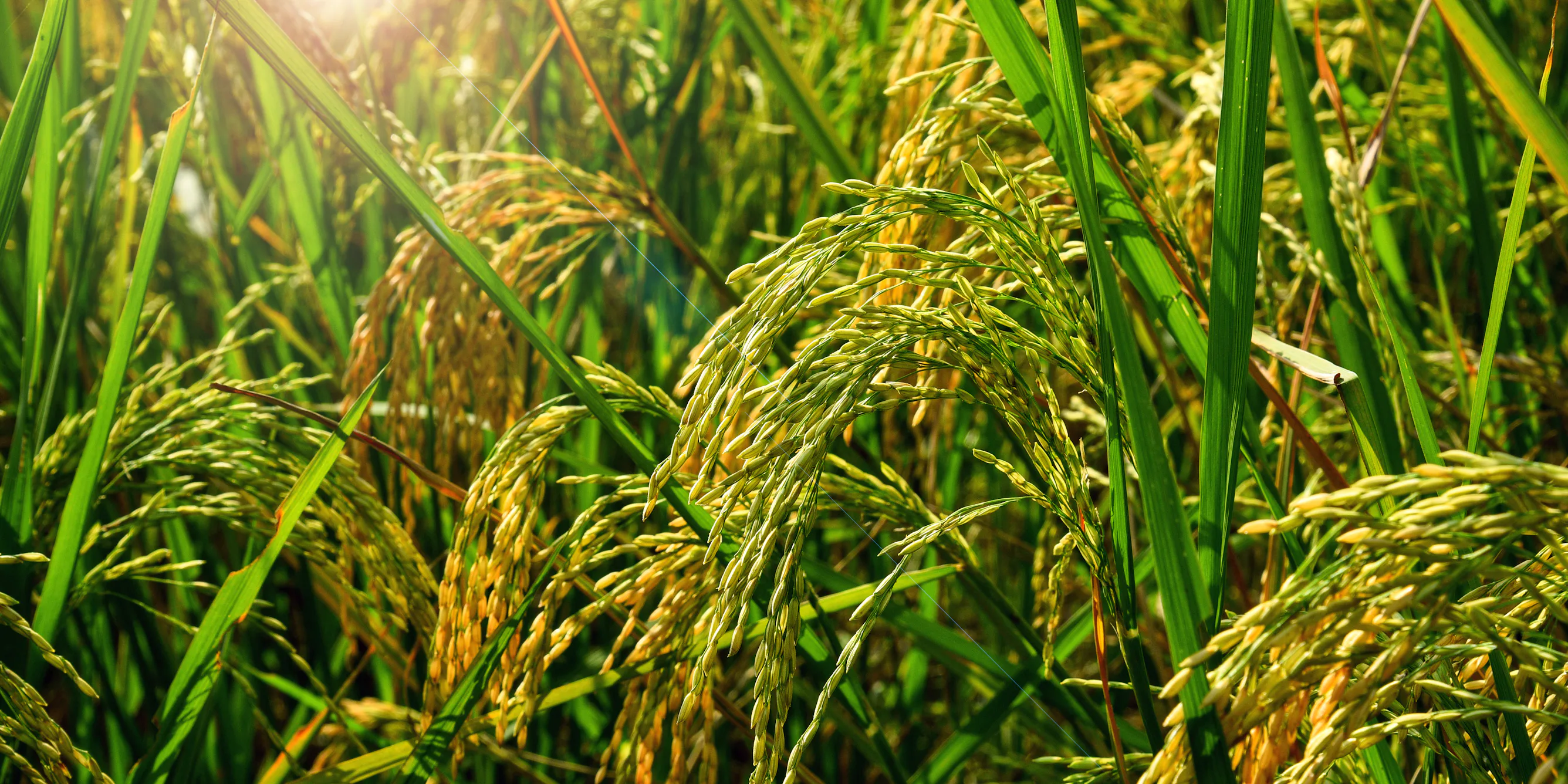
Over 8,000 years ago, people in the Lower Yangtze Valley started cultivating wild rice grass Oryza rufipogon.
Early selection of rice traits
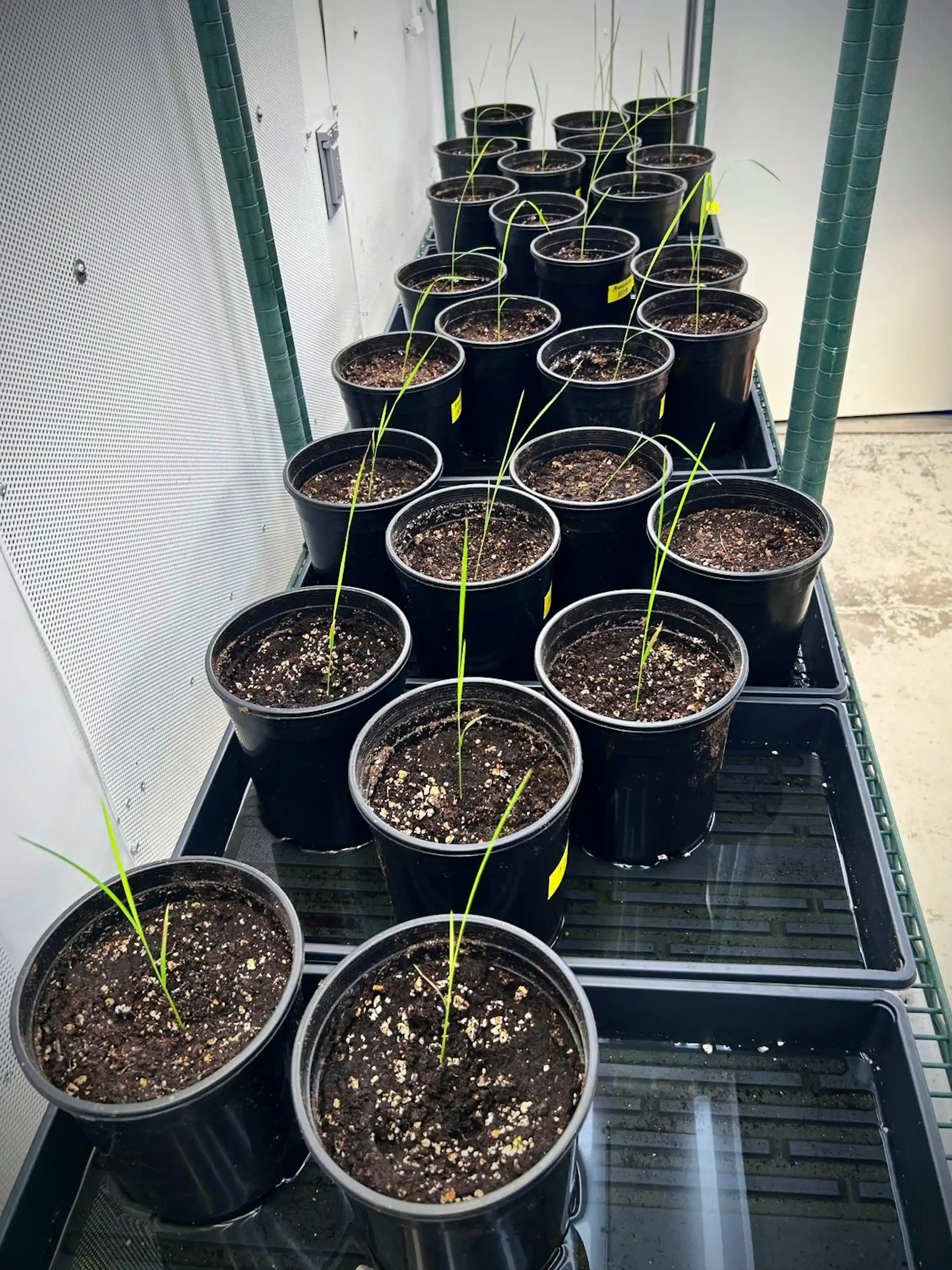
Farmers selected plants that failed to release seeds, stood upright, and were easier to harvest.
Domesticated rice emerged
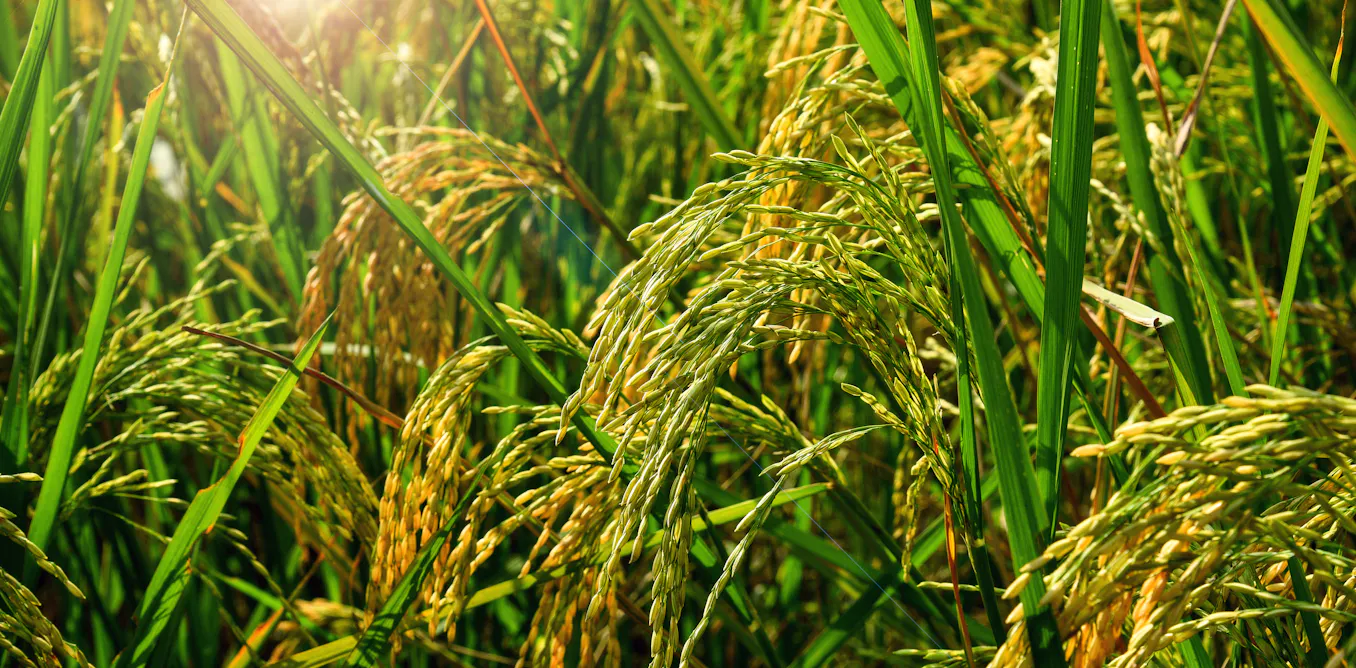
The cultivated grass became distinct from wild ancestors as Oryza sativa subspecies japonica.
Global crop domestication timeline
Around 11,700 years ago, people worldwide independently directed evolution of local crops through domestication.
Genetic changes in domestication
Domestication involved both large-effect mutations and numerous genome-wide changes across the plant genome.
Nonshattering seeds in rice
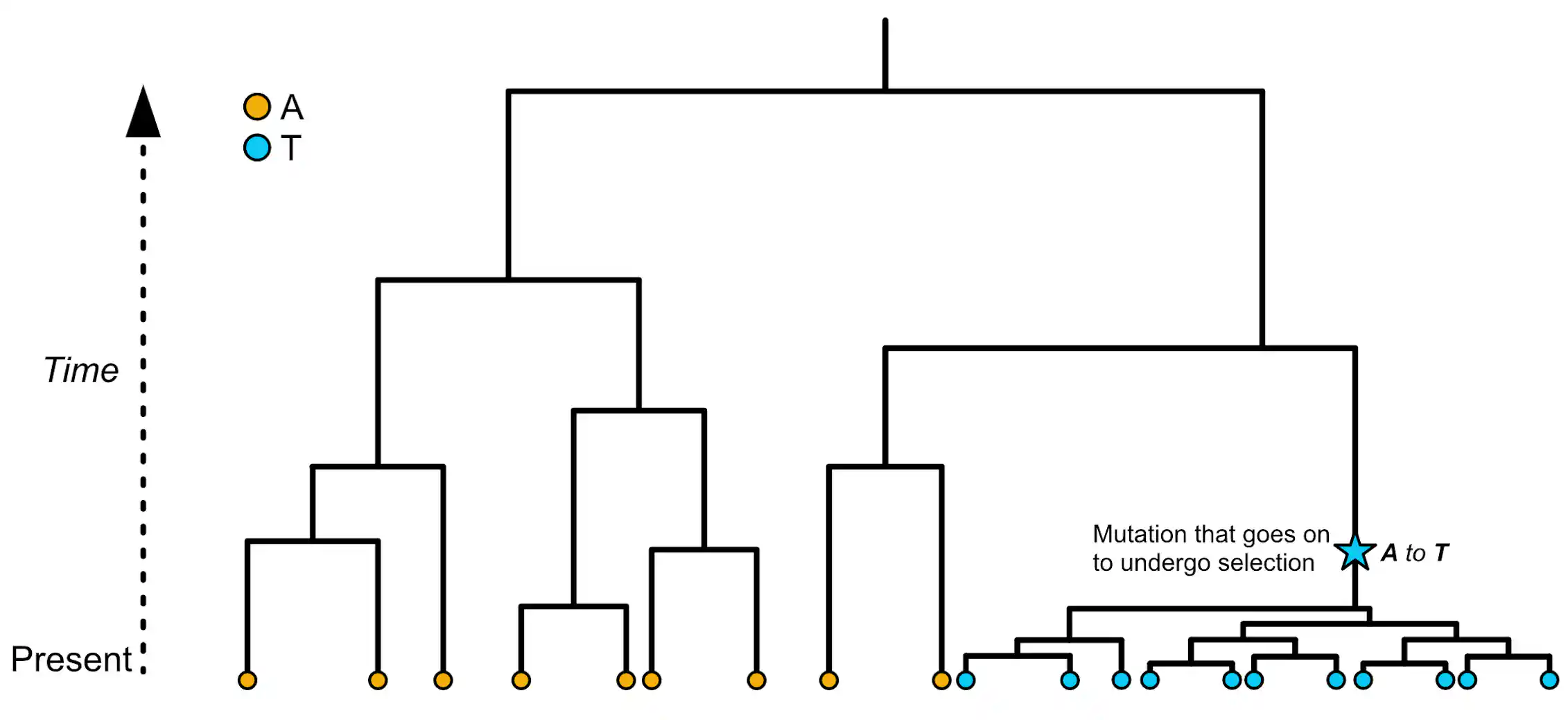
A mutation in the qSH3 gene for nonshattering seeds was likely present in wild rice and rose in frequency over 2,000 years.
Cold tolerance in rice
Rice developed cold tolerance through ancient genetic variation, emerging 4,000 years ago in temperate regions.
Corn mutation timeline
A corn kernel mutation occurred over 40,000 years ago, long before corn domestication 9,000 years ago.
Adzuki bean domestication
Adzuki beans developed seed coat color and pod shattering traits thousands of years before domestication.
Genetic variation's role
Preexisting genetic variation enabled ancient people to domesticate crops without new mutations.
What to remember
Ancient people used pre-existing genetic variation in wild plants to domesticate crops such as rice and corn over thousands of years.