From The Conversation · Amy Cannon · · 2m
Annie Dillard's poetic prose revolution
The pioneering writer blended poetry's intensity with nonfiction's truth, creating a mystical style that inspired and bewildered critics in equal measure.
In brief
The pioneering writer blended poetry's intensity with nonfiction's truth, creating a mystical style that inspired and bewildered critics in equal measure. Dillard proved that nonfiction could achieve poetry's emotional power and sonic richness while remaining grounded in observable reality. Originally reported by The…
Pioneer of poetic nonfiction
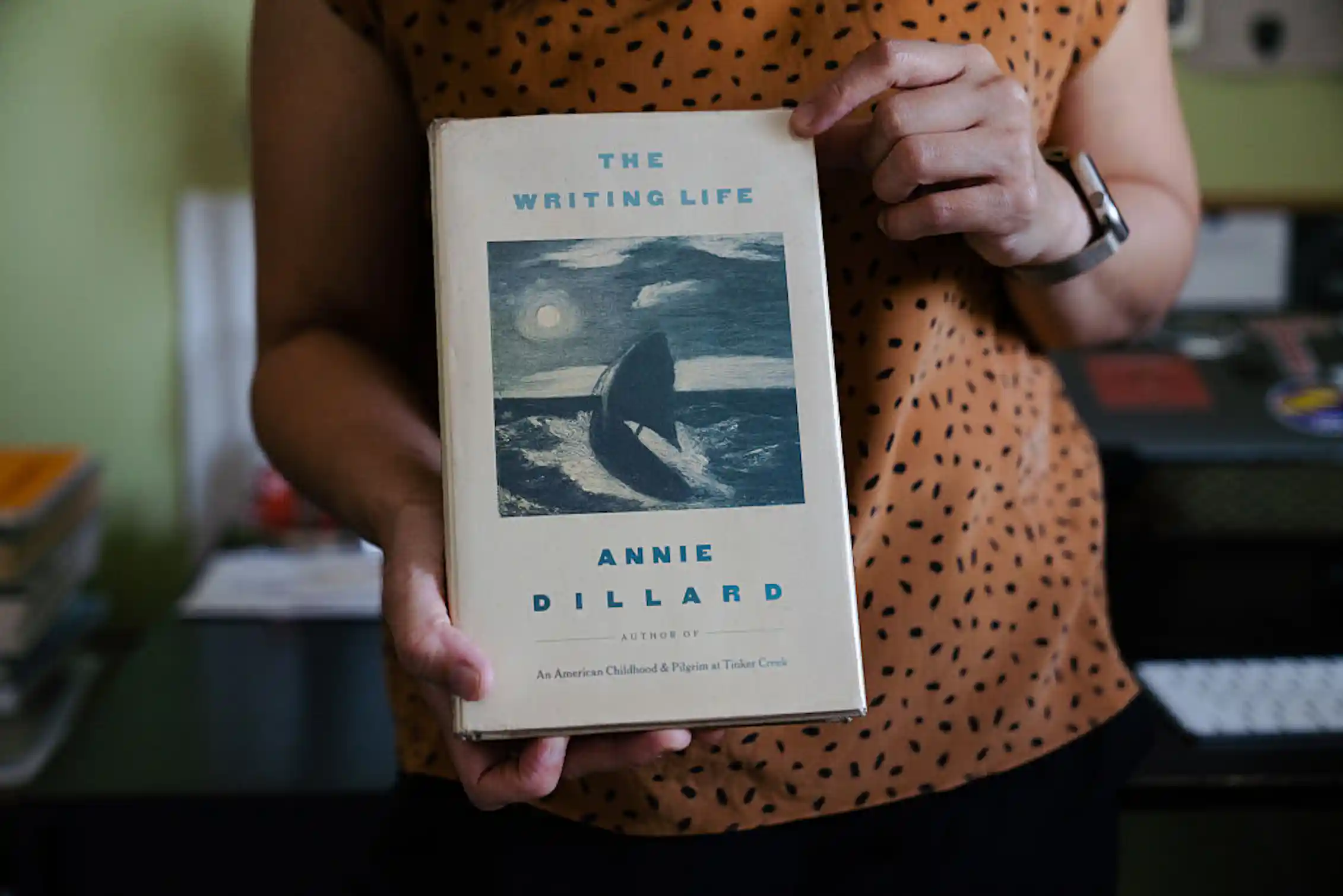
Annie Dillard died on September 15, 2026, at age 81, leaving behind a legacy as a trailblazer in creative nonfiction that blended poetry's intensity with prose's clarity.
Tinker Creek changed everything
At just 28, Dillard published "Pilgrim at Tinker Creek," which won the 1975 Pulitzer Prize and established her signature style of attending closely to nature with a theologian's eye and poet's voice.
Poetry shaped her prose
Dillard deliberately channeled poetry's sonic density into her writing, reading Conrad Aiken and Wallace Stevens aloud while composing, letting their heightened language seep into her nonfiction.
Images that arrest and terrify
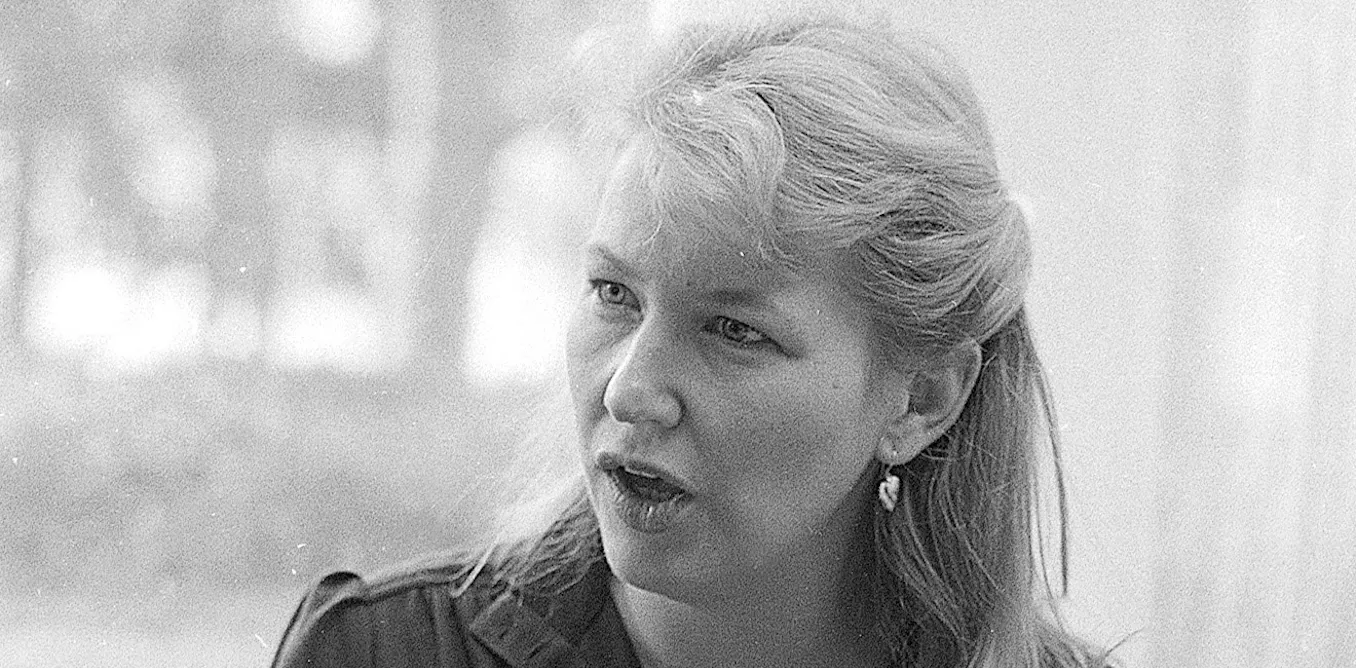
Her nonfiction is filled with vivid, unforgettable images. In "The Death of a Moth," she describes a burning insect with poetic intensity, comparing it to a hollow saint and a flame-faced virgin.
“She burned for two hours without changing, without swaying or kneeling, only glowing within, like a building fire glimpsed through silhouetted walls.”
Blurring the line between genres
Prose poetry, lyric essays, and creative nonfiction all play at the intersection where poetry and prose meet. Dillard's work embodies this permeability, proving the boundary between genres is far more fluid than traditionally assumed.
Critics admired but misunderstood
Eudora Welty praised Dillard's work but admitted not always knowing what she meant. William Deresiewicz criticized her solitary perspective and lack of social engagement as spiritual snobbery.
Mystical nature poetry in prose

Dillard's hermetic focus on nature and spiritual encounters echoes poets like Gerard Manley Hopkins and Mary Oliver. Her narrow lens of attention, poetic in isolation, becomes a feature rather than a flaw when extended across essays and books.
How something is shown matters
Like expressionist painting, poetry draws attention to how something is depicted, not just what is shown. Dillard's nonfiction achieves this same effect, making style inseparable from substance.
The key point
Dillard proved that nonfiction could achieve poetry's emotional power and sonic richness while remaining grounded in observable reality.





