From The Conversation · Cara Giovanetti · · 3m
Big Bang Nucleosynthesis makes a cosmic comeback
An overlooked era of the early universe is now outperforming the famous Cosmic Microwave Background at answering fundamental questions about how the cosmos works.
In brief
An overlooked era of the early universe is now outperforming the famous Cosmic Microwave Background at answering fundamental questions about how the cosmos works. Big Bang Nucleosynthesis, which happened in the first 20 minutes after the Big Bang, now measures radiation in the early universe better than the more…
The old tool getting new respect
Big Bang Nucleosynthesis, an epoch from the universe's first 20 minutes, was once considered outdated for cosmology. Now it's outperforming the famous Cosmic Microwave Background at measuring key properties of the early universe.
What the CMB does for cosmology
The Cosmic Microwave Background formed 400,000 years after the Big Bang and shows hot and cold patches of light. Its detailed patterns let scientists measure all six major unknown quantities needed to understand the universe.
The universe's first 20 minutes
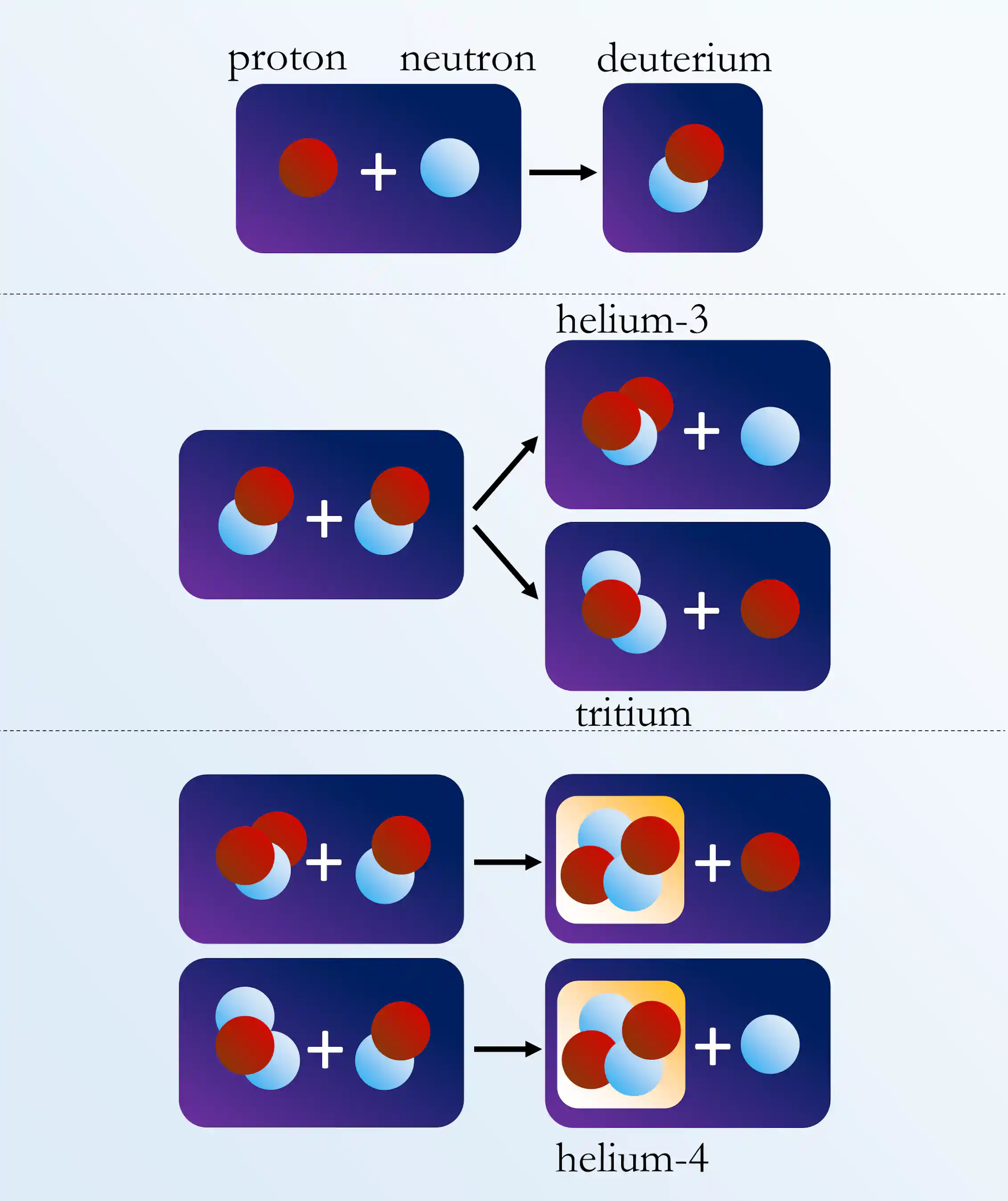
About 10 minutes after the Big Bang, protons and neutrons fused into nuclei in a process called Big Bang Nucleosynthesis. This cosmic game of musical chairs created the first helium-4 and deuterium before the universe cooled too much to continue.
Neutrons race against time
Neutrons are unstable and decay into protons in about 15 minutes. During Big Bang Nucleosynthesis, neutrons had to find partners and fuse before decaying, creating the primordial abundances we observe today.
A breakthrough measurement arrives
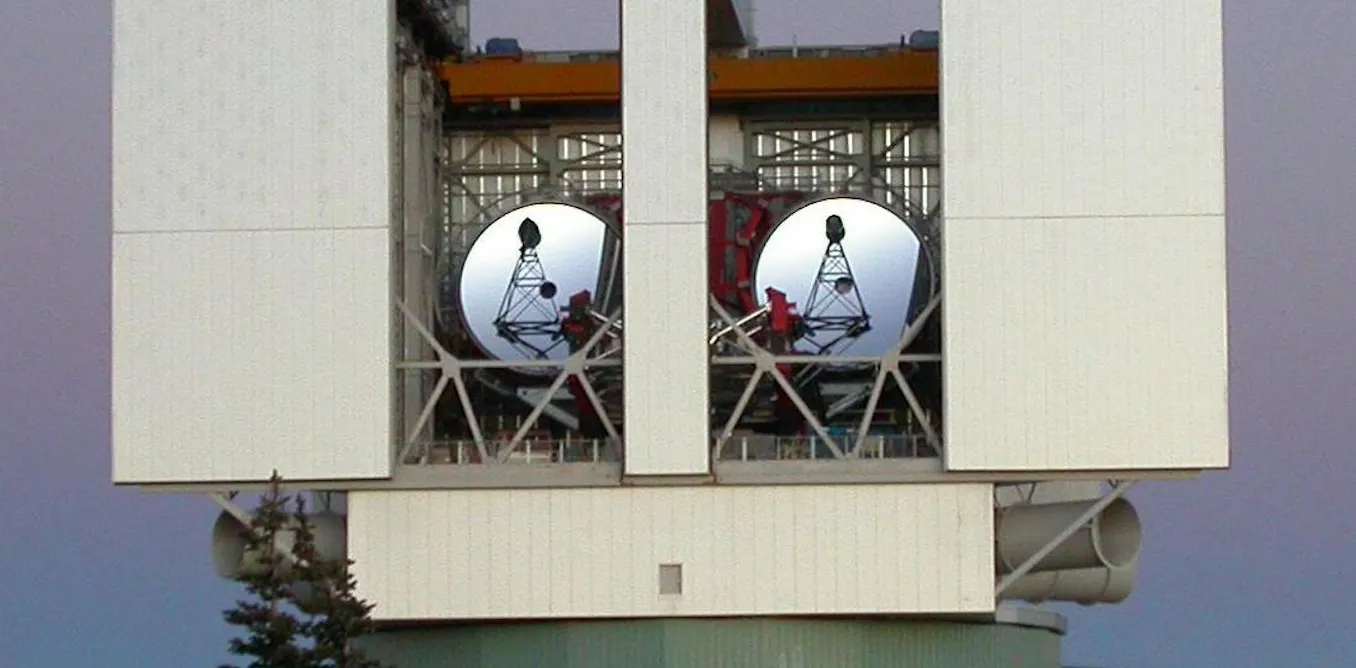
In September 2026, scientists published a new measurement of primordial helium-4 with stunning precision, revealing details about the early universe never before known with such accuracy.
How expansion shapes the elements
The universe's expansion rate after the Big Bang determined how quickly it cooled. Faster expansion meant less time for neutrons to convert to protons, leaving more neutrons to create helium-4.
Reading radiation from helium
By measuring primordial helium-4 abundance, cosmologists work backward to calculate the exact amount of radiation in the early universe. This quantity is crucial for testing theories about dark matter and exotic physics.
BBN beats the CMB now
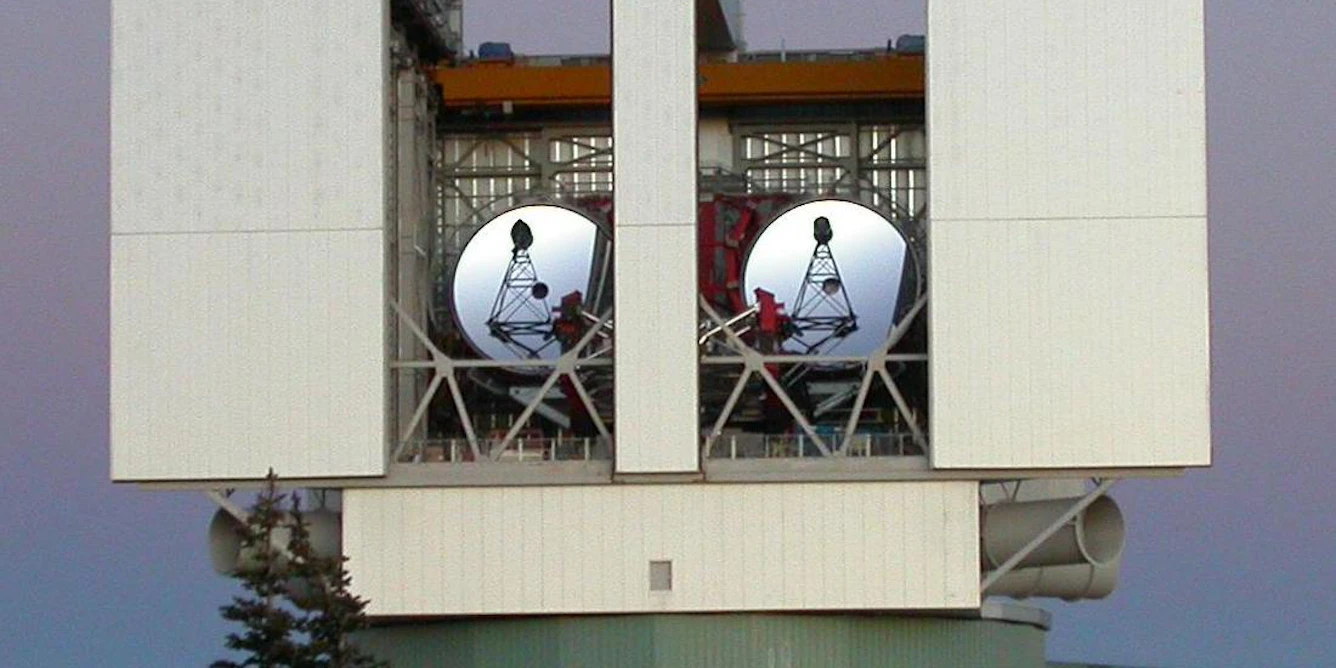
Big Bang Nucleosynthesis now measures early universe radiation better than the Cosmic Microwave Background. Deuterium measurements from BBN also rival the CMB's precision for determining particle density.
The CMB's uncertain future
The Simons Observatory is making new high-precision CMB measurements, but the next-generation CMB-S4 experiment was suspended indefinitely last year, leaving no clear path for future improvements.
BBN needs no new telescopes
Improving Big Bang Nucleosynthesis measurements doesn't require building dedicated observatories. Astronomers only need more time on existing or planned telescopes to gather better data.
A practical path forward
With near-term improvements to astronomical observations, physicists may get closer than ever to understanding the universe's makeup, history, and future through Big Bang Nucleosynthesis.
What matters most
Big Bang Nucleosynthesis, which happened in the first 20 minutes after the Big Bang, now measures radiation in the early universe better than the more famous Cosmic Microwave Background.





