From The Conversation · Ann Sheehan · · 3m
Cold or COVID? How to tell what your kid has
A pediatric nurse explains the symptoms that set these four common respiratory illnesses apart and when to keep your child home.
In brief
A pediatric nurse explains the symptoms that set these four common respiratory illnesses apart and when to keep your child home. COVID-19 often causes stomach symptoms and lasts 7-14 days, while colds are milder and resolve in a week. When in doubt, keep sick kids home to protect vulnerable classmates. Originally…
Four viruses peak in fall and winter
COVID-19, RSV, the flu, and the common cold all spread easily during cold months. Their early symptoms overlap, making it hard to tell them apart.
Why it matters which one your kid has
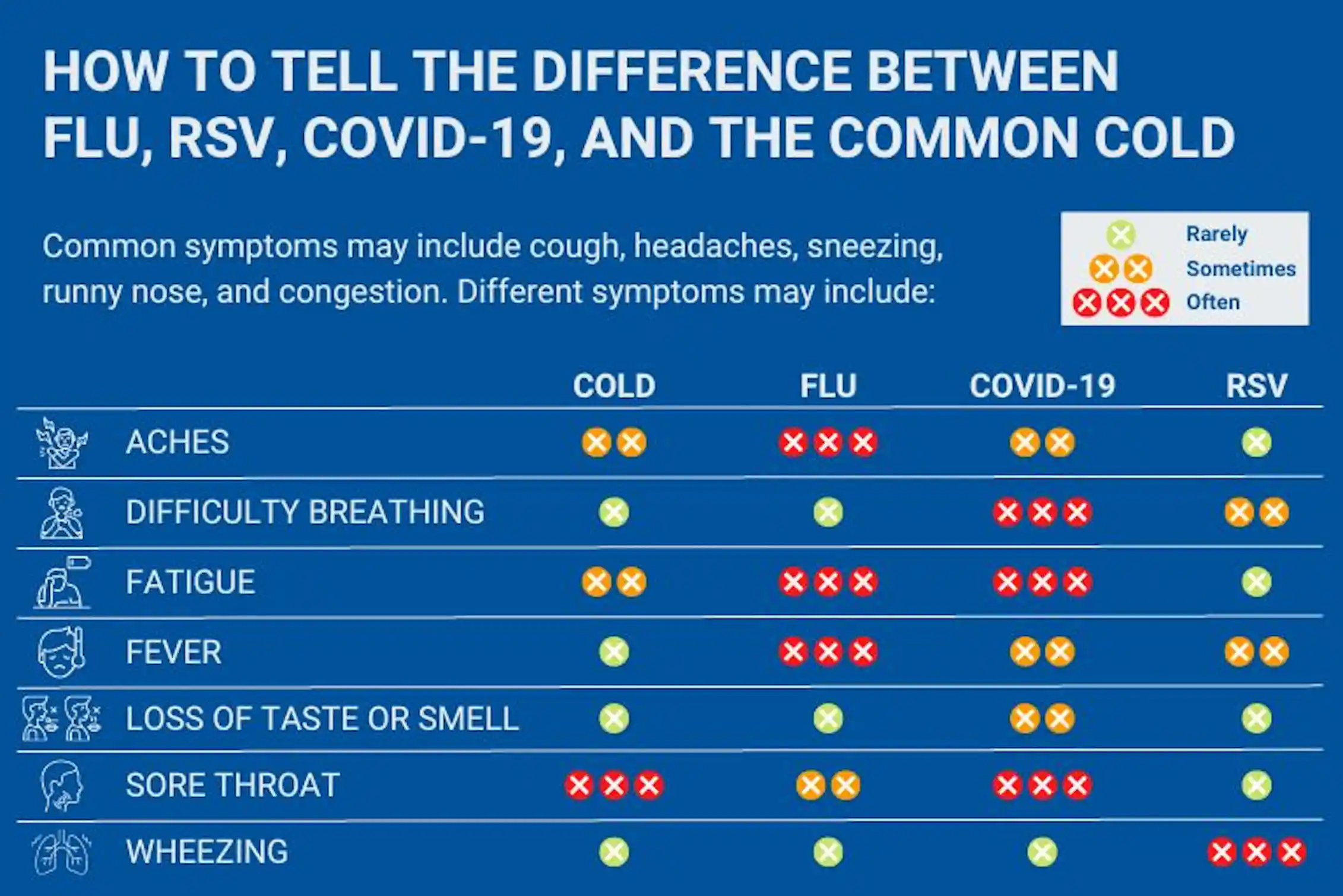
Some infections cause serious complications for certain children. COVID-19 carries higher risk of severe or long-term effects. The flu can lead to hospitalization, and RSV is especially dangerous for infants and young children.
Common cold symptoms and timeline
Colds cause coughing, sneezing, sore throat, and runny nose. Symptoms are mild and usually clear up on their own within 7 to 10 days.
COVID-19 has telltale stomach signs
COVID-19 lasts 7 to 14 days and includes body aches, shortness of breath, headache, fatigue, fever, and loss of taste or smell. The biggest giveaway is stomach symptoms like abdominal pain, vomiting, and diarrhea.
“Probably the biggest telltale sign of COVID-19 is stomach symptoms such as abdominal pain, vomiting and diarrhea.”
Flu comes on suddenly and fast
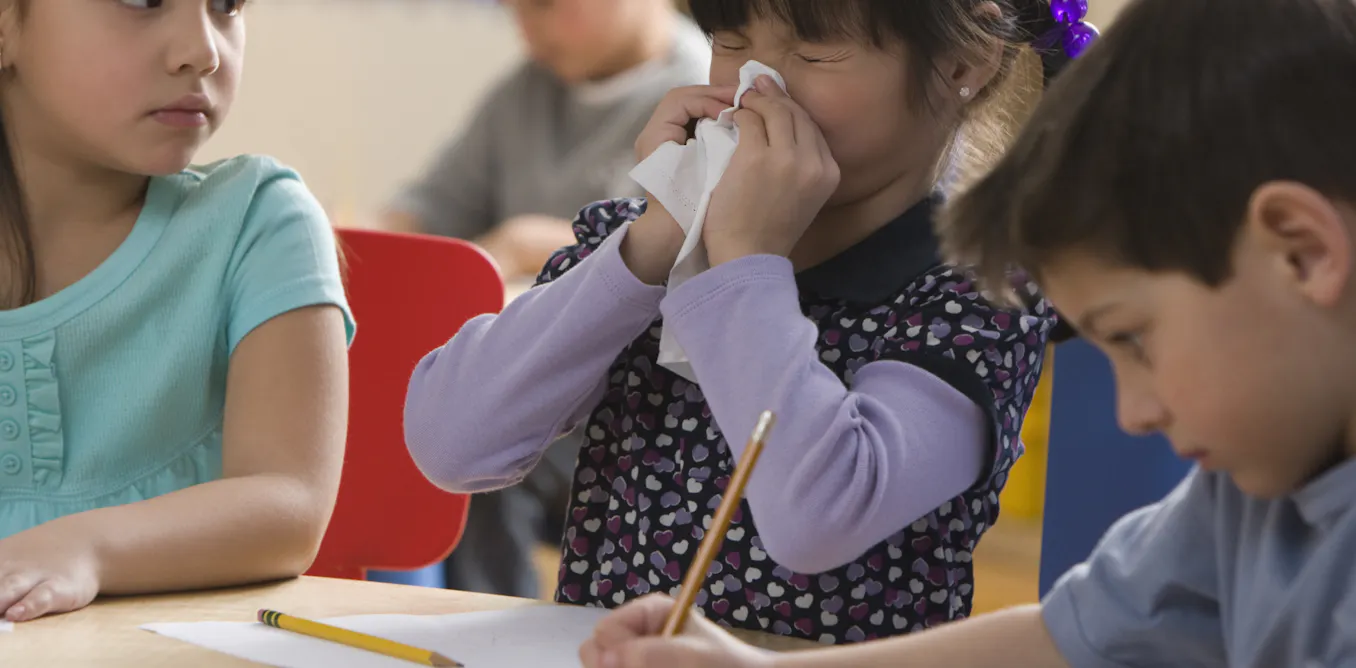
Flu symptoms appear very quickly, unlike the gradual onset of a cold or COVID-19. They last 3 to 7 days and resemble COVID-19 symptoms but without loss of taste or smell.
RSV hits the lungs hardest
RSV symptoms match a cold but include decreased appetite. It affects the lungs and can cause serious infections and hospitalization, especially for infants and toddlers. Symptoms can last 3 to 4 weeks.
When to keep your child home
If your child has had a fever in the past 24 hours, or has diarrhea, nausea, or vomiting, keep them home. Otherwise, send them if they can comfortably participate in class activities.
Home COVID tests have limits
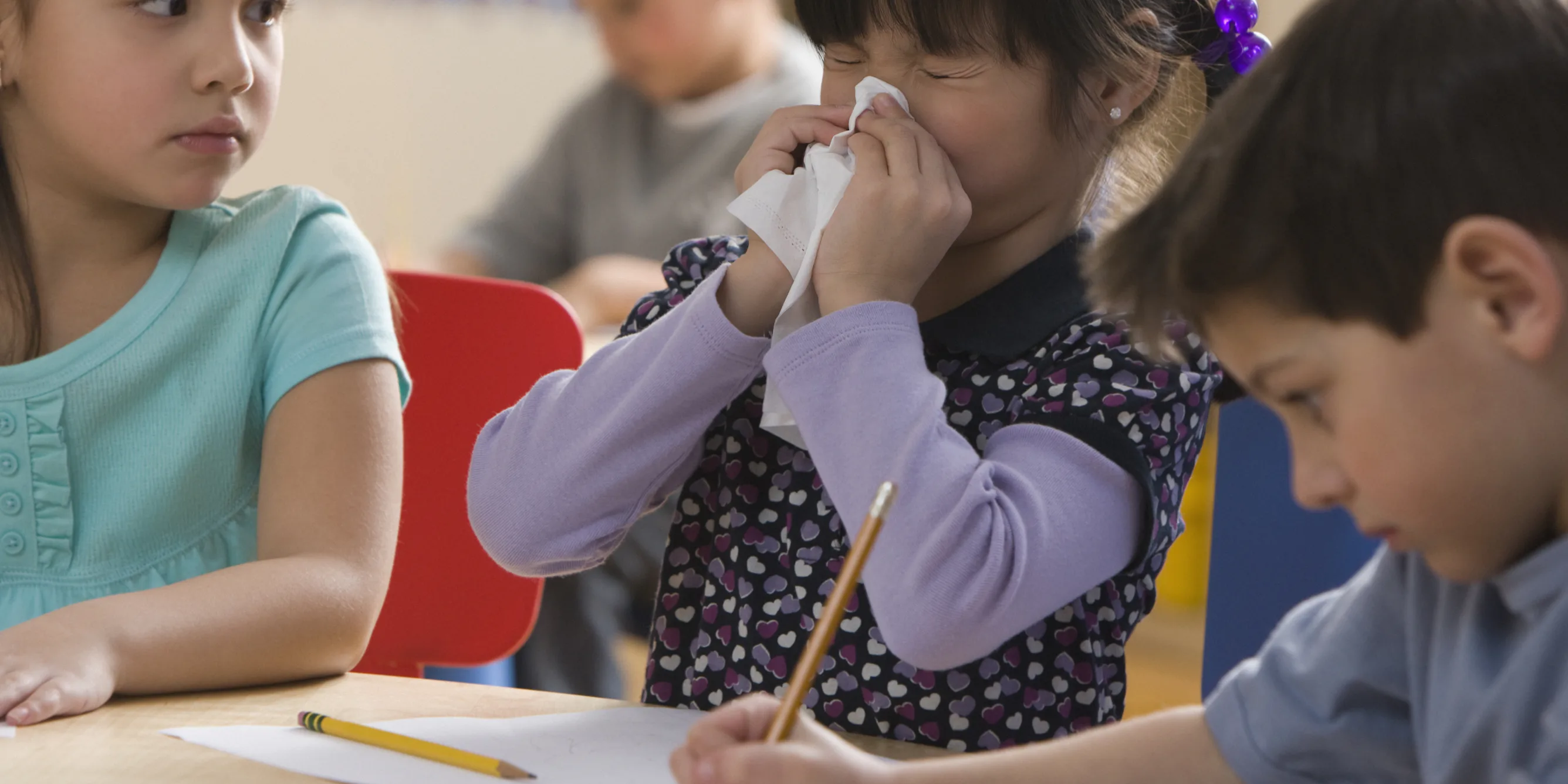
A positive test is reliable, but a negative result doesn't completely rule out COVID-19. If symptoms persist after a negative test, retest in 48 hours or ask your doctor for a PCR test.
“A positive result is reliable, but a negative result does not completely rule out a COVID-19 infection.”
Vaccines reduce severity and missed school
The American Academy of Pediatrics recommends COVID-19 and flu vaccines for all children over 6 months. Vaccinated children can still get infected, but their immune system responds more effectively and they miss fewer school days.
When to seek medical care
Most children recover at home without complications. Seek medical care if fever doesn't respond to medication, your child has trouble eating or drinking, or shows difficulty breathing.
The short version
COVID-19 often causes stomach symptoms and lasts 7-14 days, while colds are milder and resolve in a week. When in doubt, keep sick kids home to protect vulnerable classmates.





