From The Conversation · Kaitlyn M. Sims · · 2m
Cornell rape case reveals reporting gaps
Cornell's handling of rape allegations shows why victims avoid reporting assaults.
In brief
Cornell's handling of rape allegations shows why victims avoid reporting assaults. Cornell University's failure to properly investigate gang rape allegations led to victims not trusting institutions to protect them. Originally reported by The Conversation.
Students protest Cornell's handling

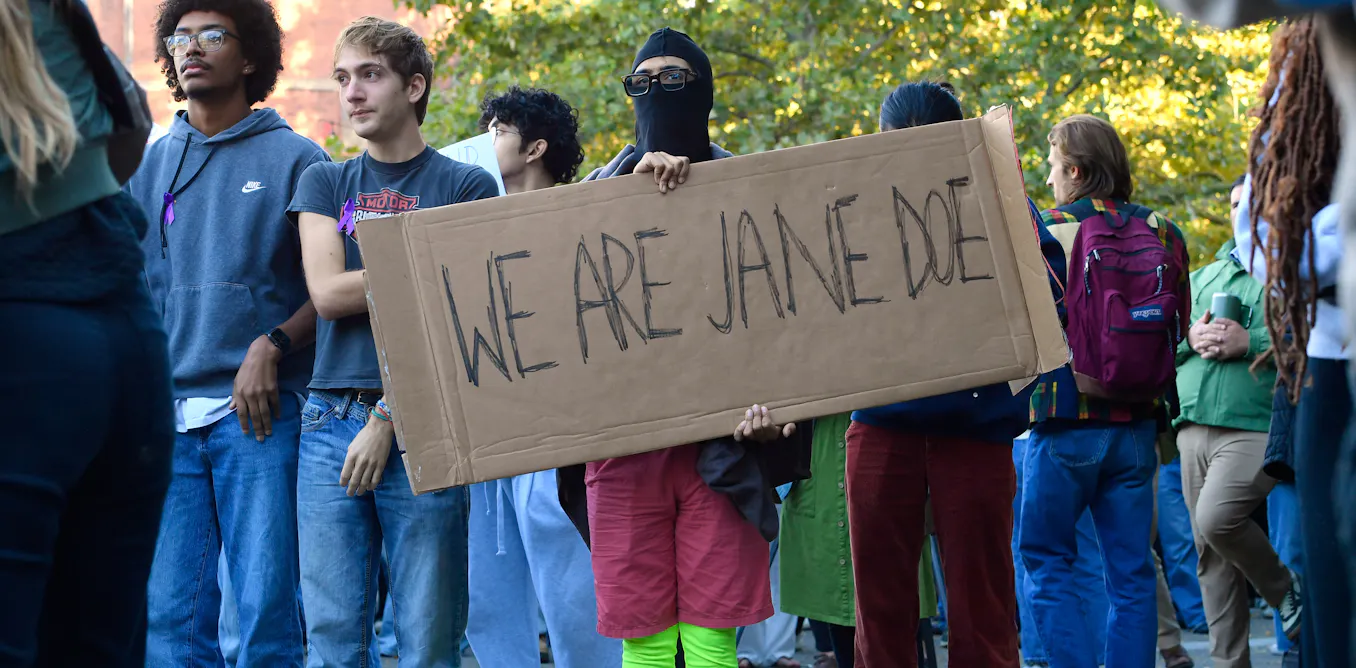
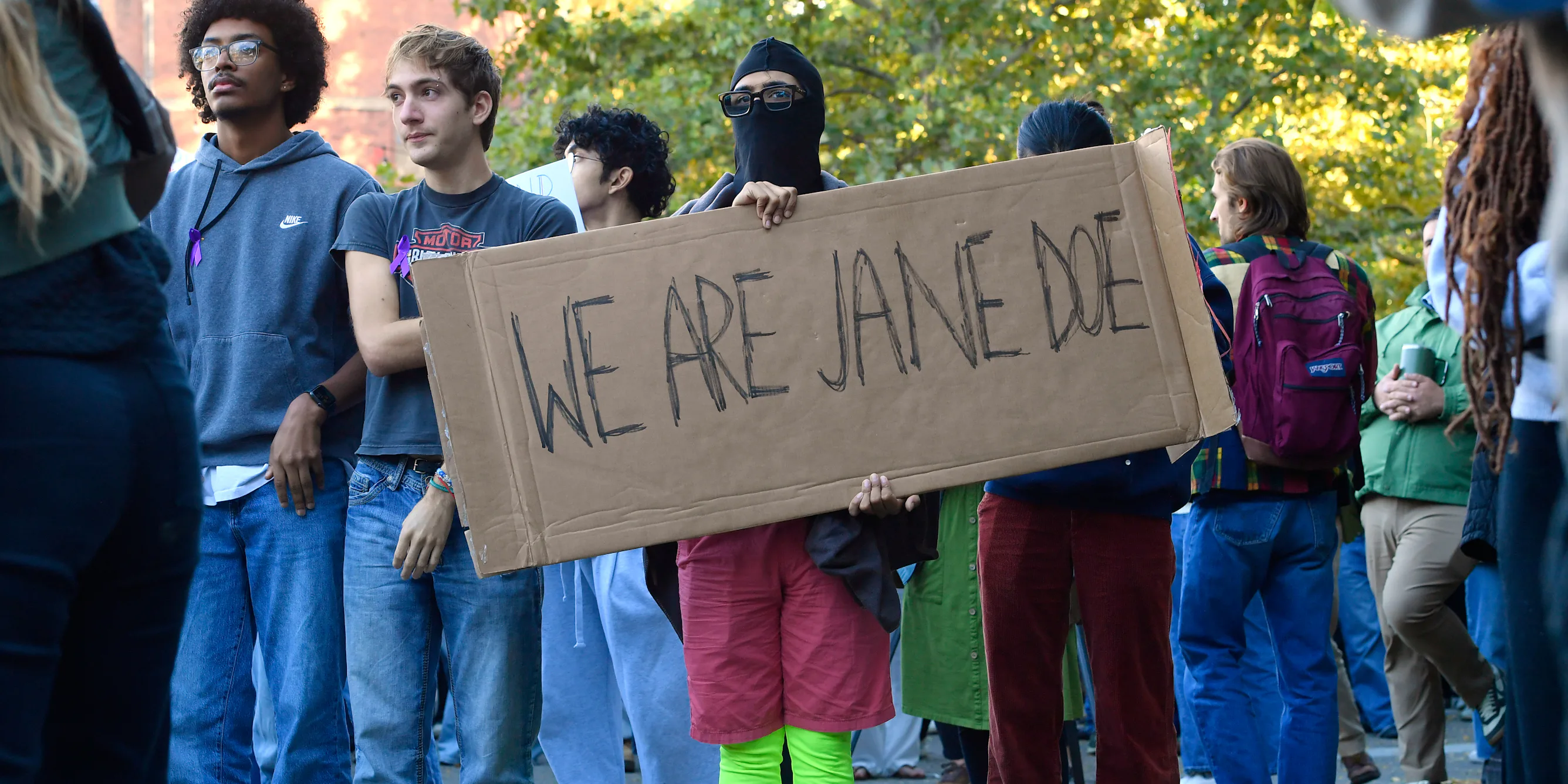
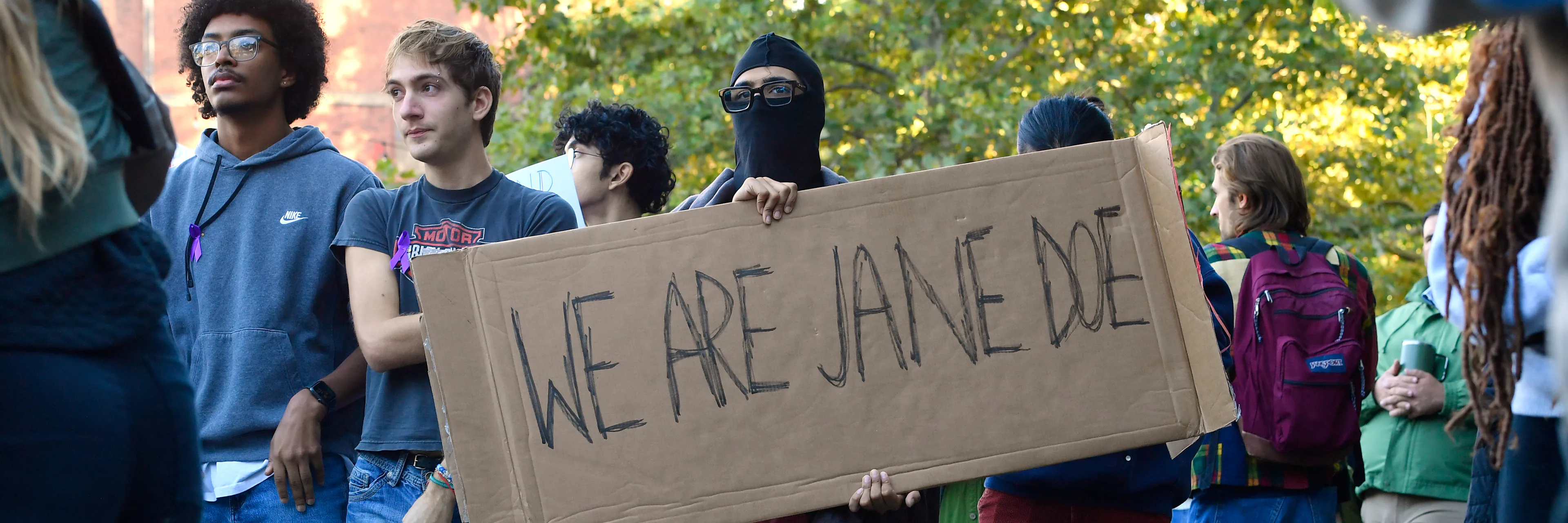
Students protested Cornell University's handling of gang rape allegations on Oct. 5, 2026.
Jane Doe files lawsuit
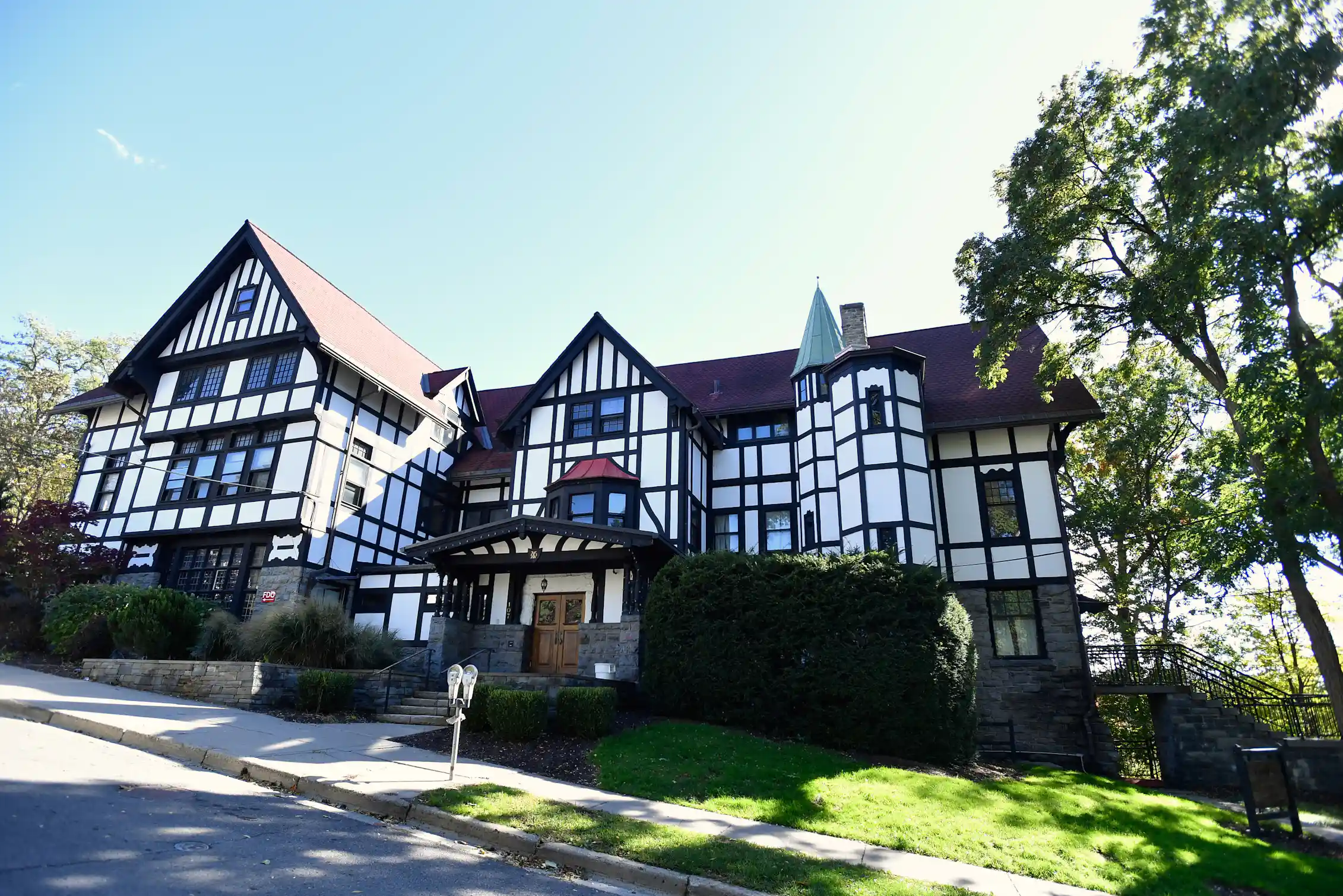
A former Cornell student filed a civil lawsuit in September 2026 alleging seven Chi Phi fraternity members gang-raped her.
Low reporting confidence
Only 37.5% of surveyed college students believed campus officials would take sexual assault seriously when physical force or inability to consent was involved.
Police report omission
Ithaca police sent a report to the district attorney that omitted Jane Doe's claim of being raped.
No charges filed
The district attorney declined to press charges against any of the seven men accused without interviewing Jane Doe.
University sanctions
Two perpetrators were expelled, two suspended, one barred from campus, and two required to attend training and write reflection essays.
State investigation
New York Gov. Kathy Hochul appointed state Attorney General Letitia James as special prosecutor to investigate campus and local authorities.
Underreporting problem
Only 16% of sexual assault victims report through formal channels, creating a dramatic undercount of campus sexual assault.
High risk factors
Students who were assaulted often consumed alcohol and drugs before the assault, with Jane Doe reporting ketamine and alcohol use.
Long-term effects
Students who are sexually assaulted face higher risks of anxiety, depression, lower grades, and dropping out of college.
Legal loopholes
New York law considers sexual contact with someone mentally incapacitated due to drugs or alcohol as rape only if the victim was involuntarily intoxicated.
Compensation barriers
Many survivors don't receive crime victim compensation due to state-specific requirements and eligibility rules.
Systemic distrust
The Cornell case has further fractured students' confidence in reporting future assaults due to institutional distrust.
The big picture
Cornell University's failure to properly investigate gang rape allegations led to victims not trusting institutions to protect them.





