From The Conversation · Sebastian Fixson · · 1m 40s
How to decide on remote work before crisis hits
A study of four companies reveals that how you decide matters as much as what you decide about remote work.
In brief
A study of four companies reveals that how you decide matters as much as what you decide about remote work. Build a flexible organizational culture now, before the next crisis forces rapid decisions about where people work. Originally reported by The Conversation.
Remote work is here to stay
Over six years after COVID-19 began, more than one in five U.S. workers who can work remotely do so full time or at least one day per week.
The process matters more than you think
Researchers studied four global companies facing identical remote work decisions during COVID-19 and found that how employers decided on work arrangements affected outcomes as much as the decisions themselves.
Stabilizing took months, not weeks
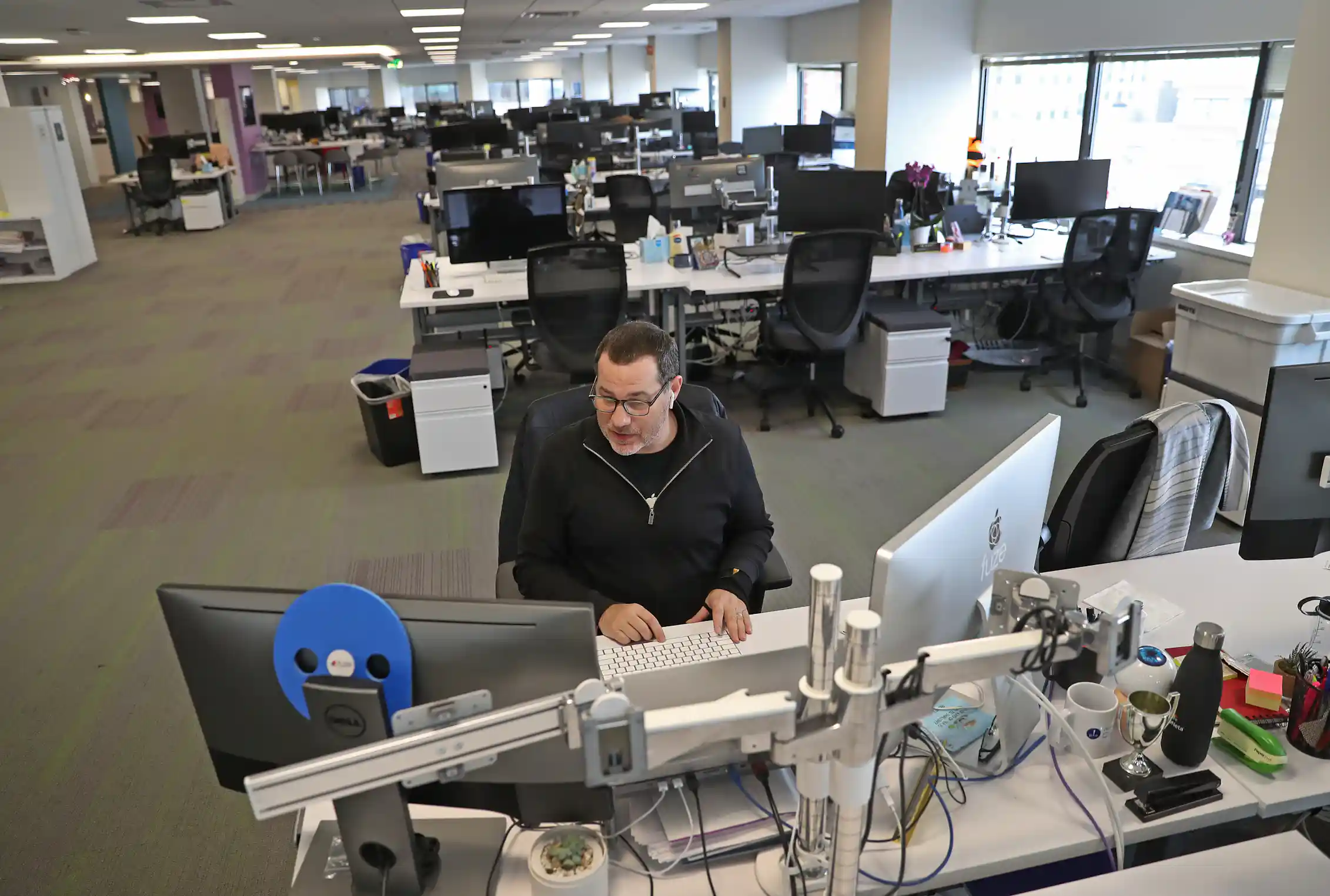
While most workers went fully remote within weeks, the four companies studied took three to fifteen months to establish stable work arrangements, sometimes changing policies multiple times.
Employee buy-in varied widely
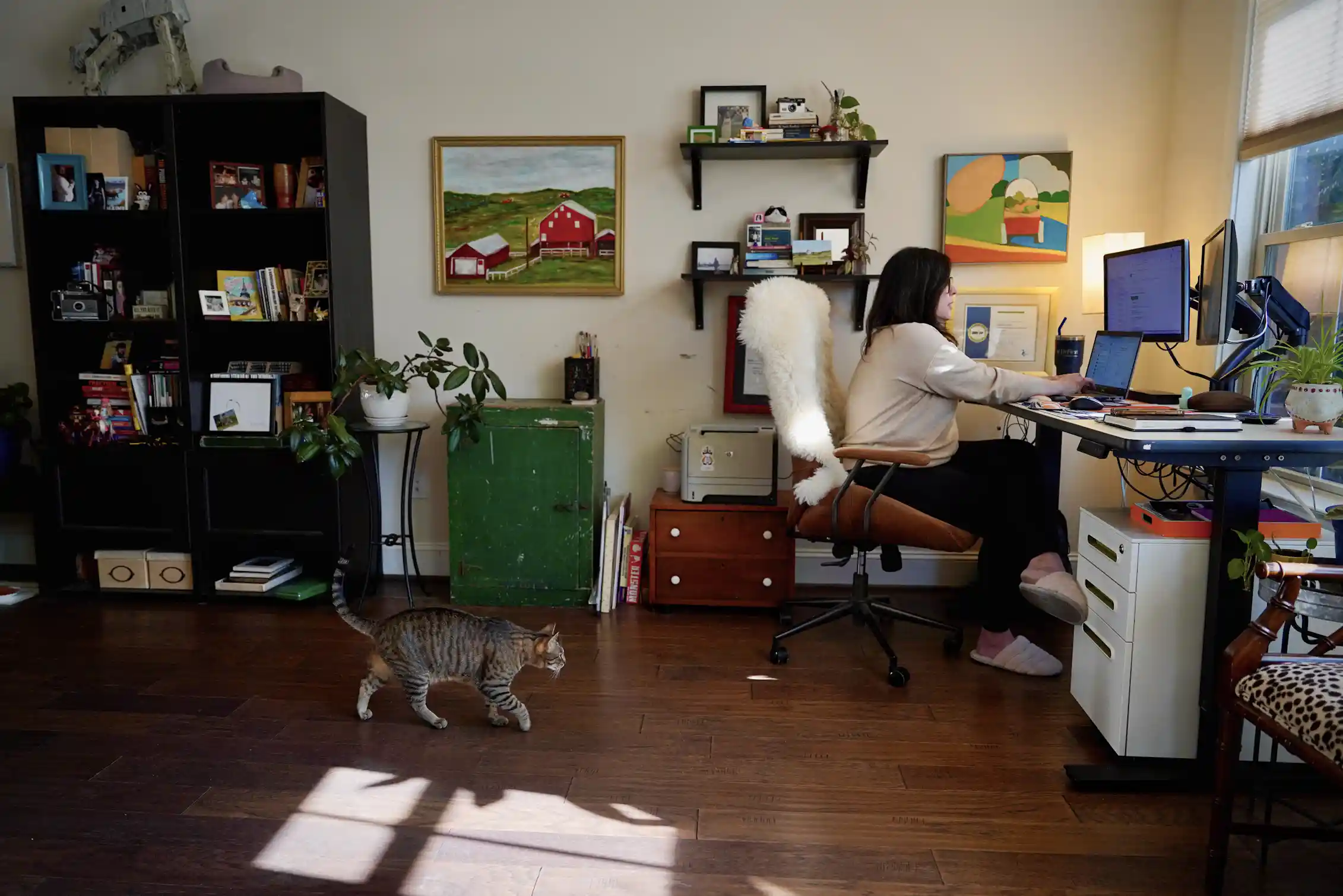
By early 2023, two companies had broad acceptance of their work policies, one had general acceptance, and one faced employee rejection with workers finding ways around the policies they disagreed with.
Hierarchical companies moved faster
Companies with clear authority structures and rules stabilized work arrangements quickly and employees understood the expectations. But they faced more pushback from workers who felt unheard.
“just another risk that needed to be managed”
Collaborative companies took longer
Companies that welcomed employee input and held workshops with all levels took longer to decide but faced less resistance. Employees understood the reasoning behind policies.
Culture shapes crisis decisions
Organizational culture acts like a script during crises, determining which decisions feel possible. Because culture develops slowly over years, it's hard to change once a crisis hits.
The essence
Build a flexible organizational culture now, before the next crisis forces rapid decisions about where people work.





