From The Conversation · Christopher von Rueden · · 1m
Hunter-gatherers: Equality's Hidden Costs
Hunter-gatherer societies aren't perfect equals: self-interest drives resource sharing.
In brief
Hunter-gatherer societies aren't perfect equals: self-interest drives resource sharing. Hunter-gatherer societies maintain equality through self-interested resource sharing, not noble ideals. Originally reported by The Conversation.
Egalitarian myth
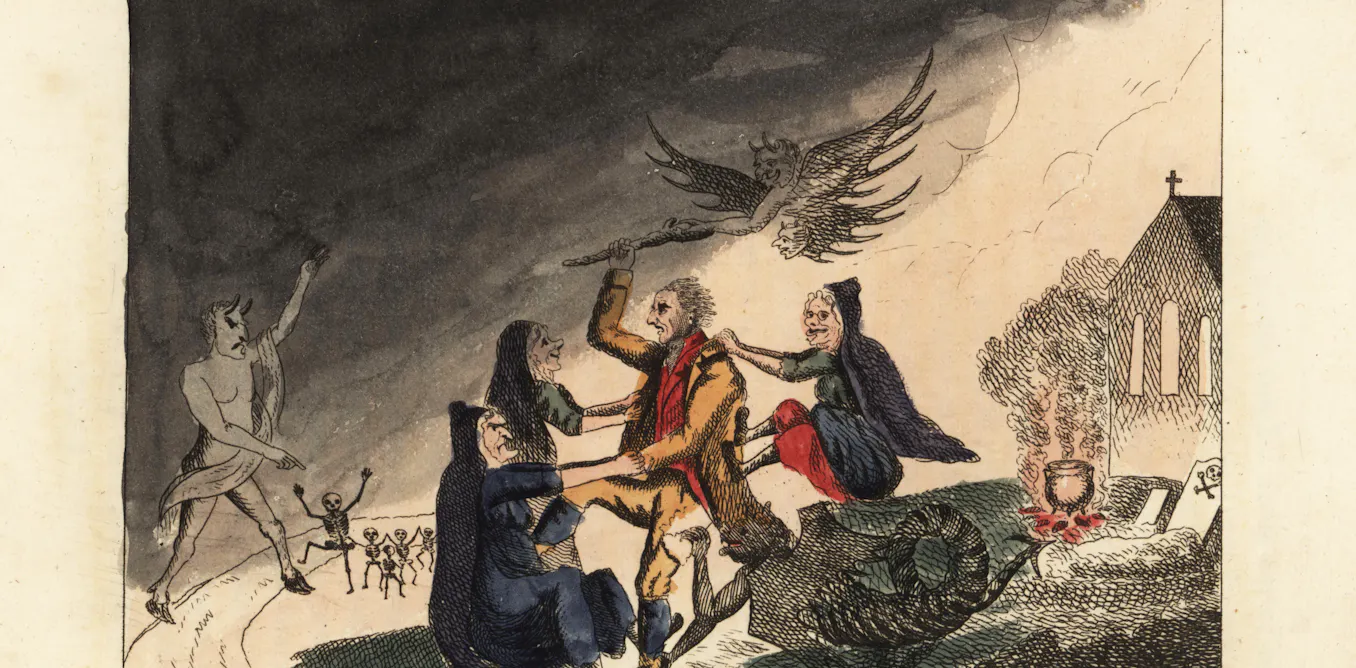
Hunter-gatherer societies are often praised as perfect equals, but reality shows hidden inequalities.
“Hunter-gatherers are often at the center of heated academic battles about what it means to be human”
Kudu hunt in Tanzania

A Hadza hunter takes down a kudu, cuts its poisoned arrow, hides the carcass from hyenas, and returns home.
“A kudu post-butchering, with portions going to various community members.”
Post-hunt sharing
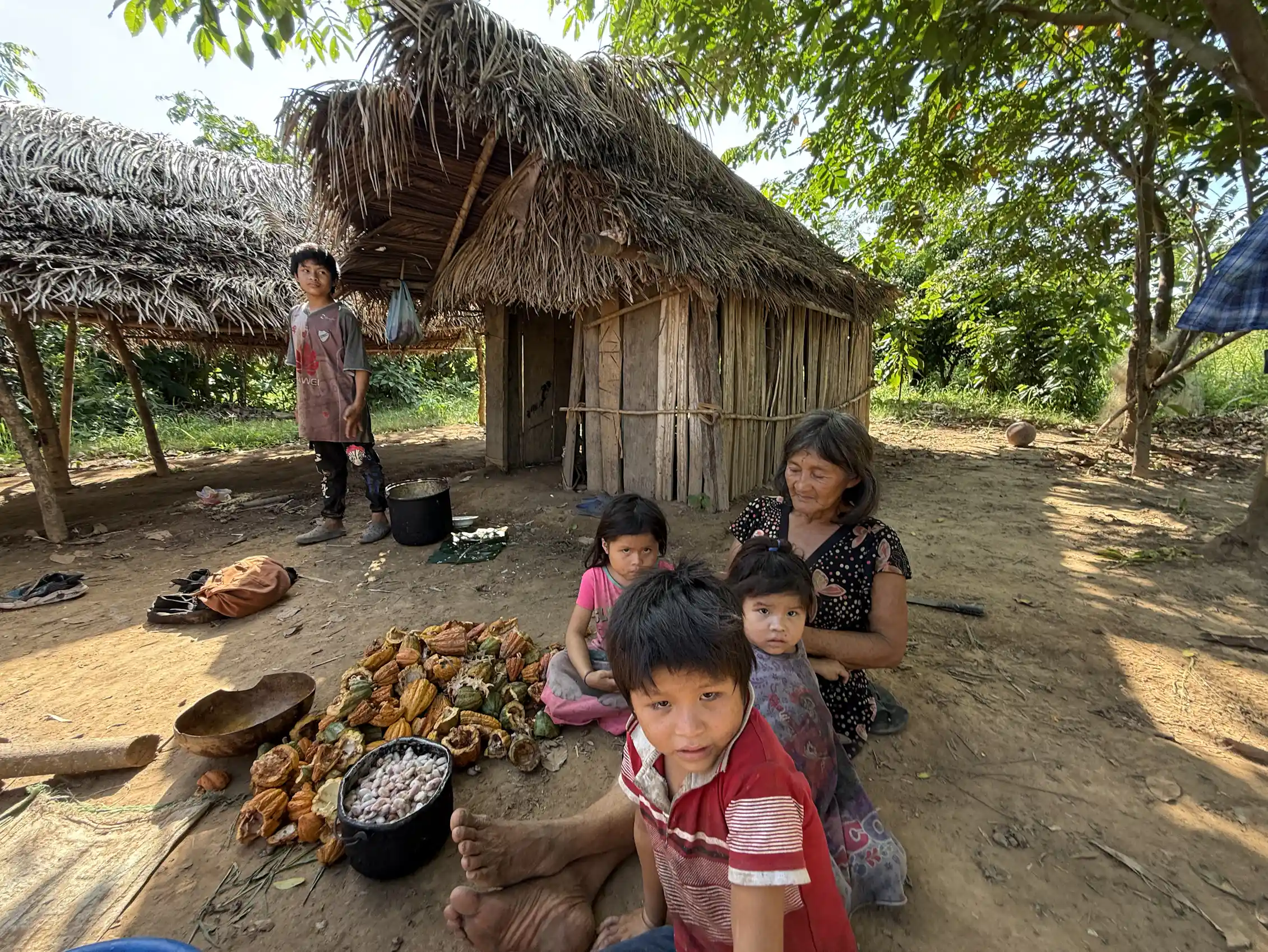
The community divides the kudu carcass, carries it back, and shares meat with families across miles.
“Every family gets some, and after the meat is cooked, there’s more sharing still.”
Inequality exists

Hunter-gatherer societies have hidden inequalities in food, leadership, and gender roles despite sharing practices.
“The Bayaka of the central African rainforest had little material inequality, yet they bought, sold and hoarded ritual knowledge.”
Gender roles
Tanzanian Hadza give meat cuts exclusively to older men and respect better hunters more.
“Across societies, women have universally done more direct parenting, and men have participated more frequently in community-level decision-making.”
Self-interest drives equality
Equality emerges from self-interested demands and ridicule of greedy individuals, not generosity.
“It can involve more taking than giving, often through strongly stated demands or complaints.”
Community decision making

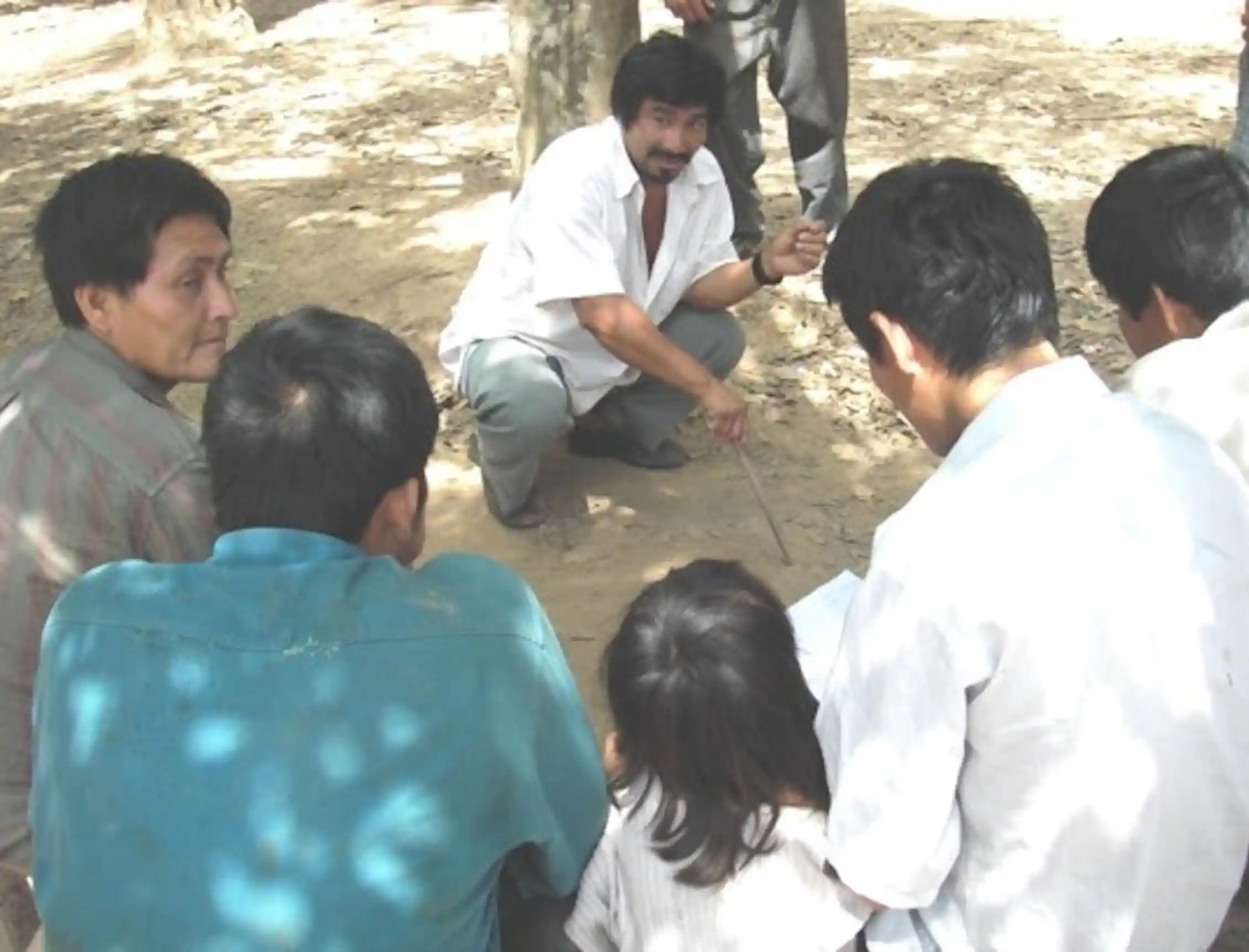
The Tsimane use community deliberation to reach decisions, with everyone having a voice.
“Ridicule and mockery are ubiquitous in industrialized societies, from political cartoons to social media.”
Equality as process
Egalitarianism works through self-interested processes, not perfect equality or noble ideals.
“If you consider egalitarianism as equality-creating processes, you can see that it is a widespread reality among hunter-gatherer societies, and beyond.”
The one thing
Hunter-gatherer societies maintain equality through self-interested resource sharing, not noble ideals.