From The Conversation · Karen Stollznow · · 2m
Learning a new language keeps your aging brain sharp
Language learning engages multiple mental processes at once, building cognitive resilience that may help protect against age-related decline.
In brief
Language learning engages multiple mental processes at once, building cognitive resilience that may help protect against age-related decline. Learning a language later in life isn't about fluency, it's about sustained mental challenge that strengthens your brain's ability to adapt and function as you age. Originally…
Language learning is complex brain work
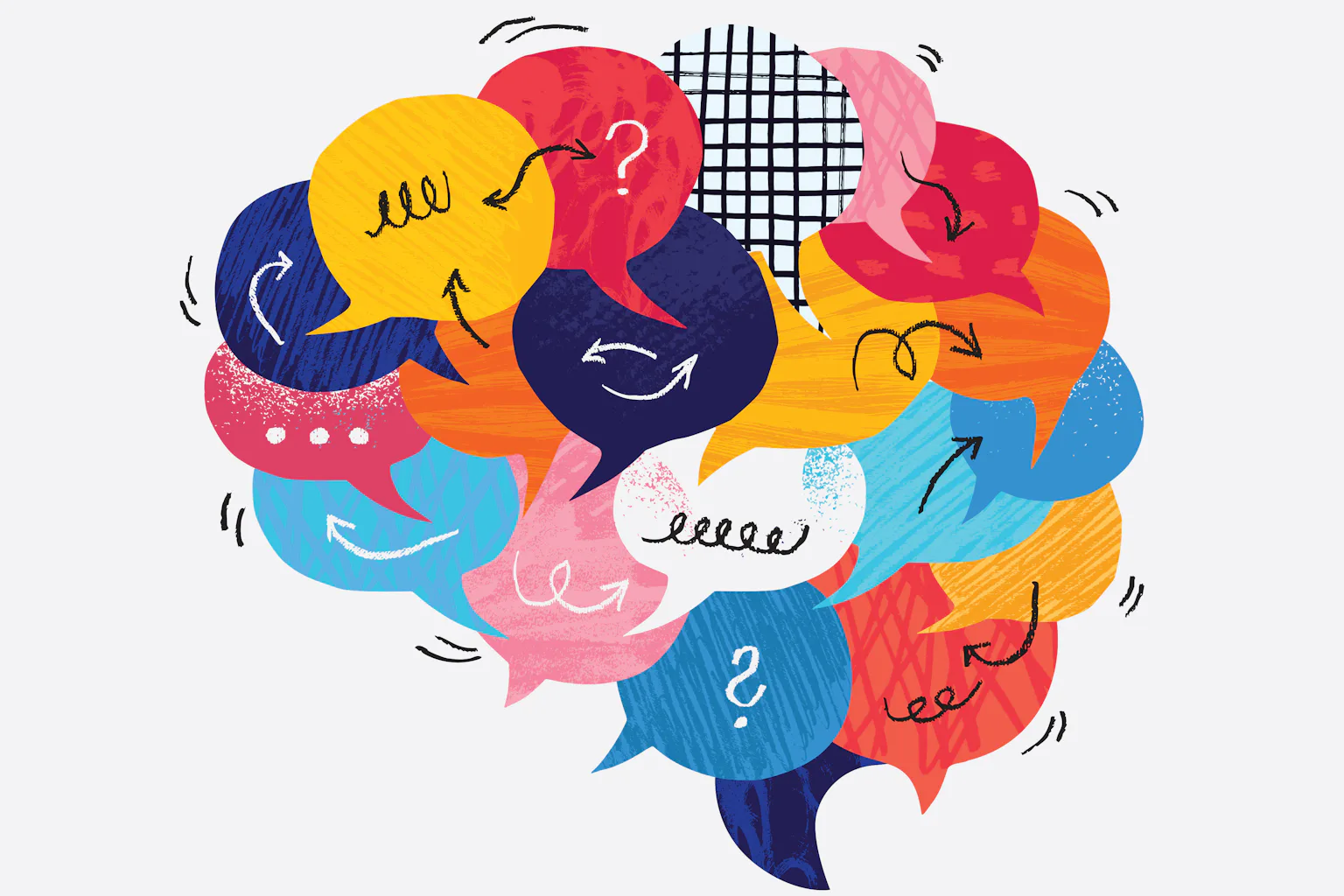
Learning a language requires remembering words, distinguishing sounds, recognizing patterns, working out grammar rules, and retrieving the right expression while listening and preparing responses.
It's a workout for your brain
Language learning engages several mental processes simultaneously, requiring your brain to form connections, absorb and retrieve information, notice errors, and adjust. This sustained mental effort makes it a rich form of cognitive exercise.
Bilingual brains show structural changes
Studies show bilingual people have greater gray matter density and stronger white matter integrity compared to monolingual speakers, suggesting language experience changes the brain's physical structure.
Building cognitive reserve protects aging
Managing two languages places ongoing demands on attention and cognitive control, strengthening cognitive reserve, your brain's ability to maintain function despite age-related changes or damage.
Bilingualism may delay dementia symptoms
Some studies find bilingual people who develop dementia show symptoms at a later age than monolingual speakers, suggesting bilingualism may provide protection against brain aging effects.
Adults can learn languages at any age

Age changes how languages are learned, but adults remain capable throughout life. Children excel at pronunciation and grammar, while adults bring larger vocabularies and better learning strategies.
The benefit comes from the process itself
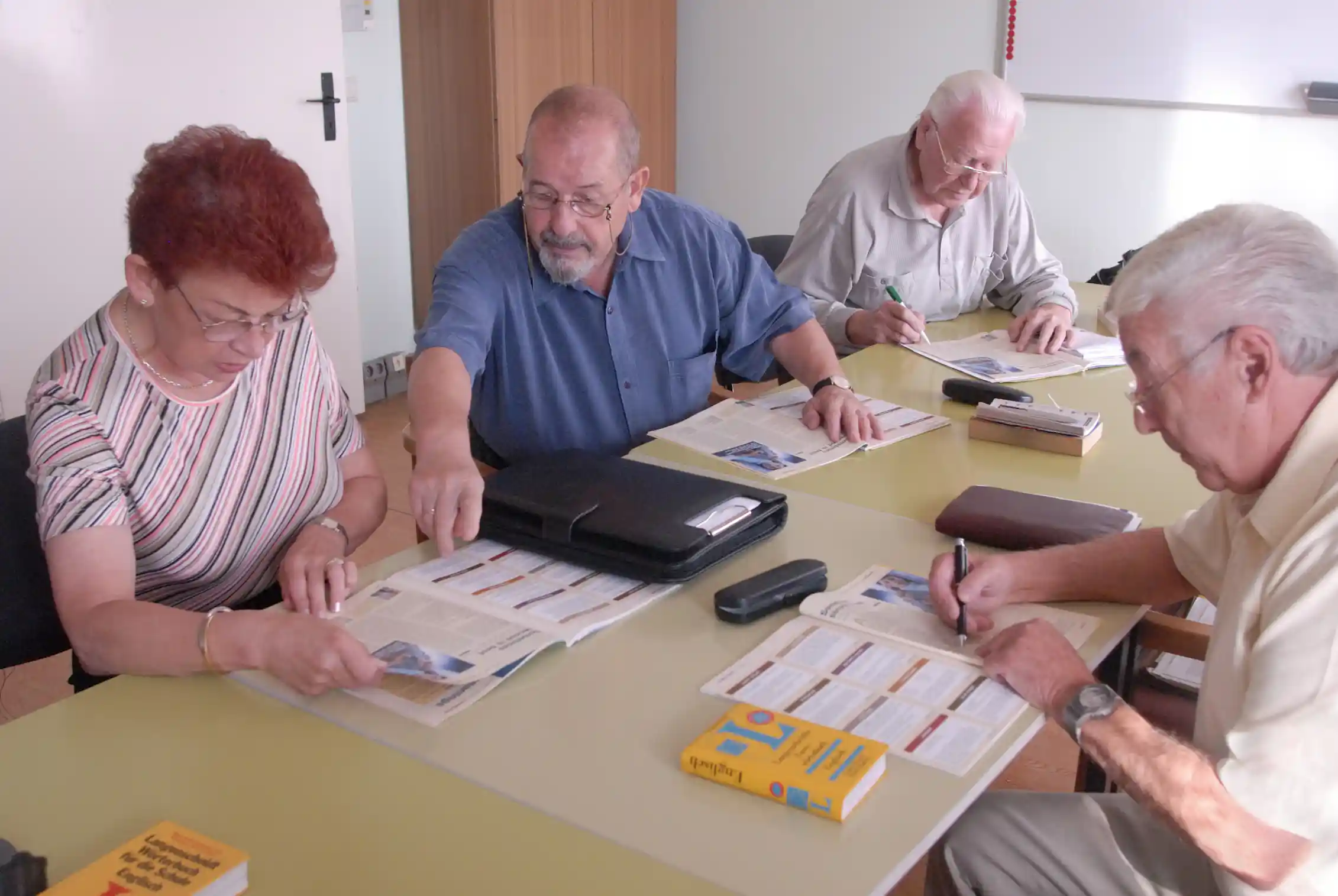
Research shows learning a language produces cognitive benefits for older adults, though findings are mixed. The benefit may come less from achieving fluency than from the sustained challenge of learning itself.
Social connection strengthens the benefits
Learning a language deepens cultural understanding, improves communication, and connects you with people from different backgrounds. These social benefits complement the cognitive gains from sustained mental effort.
Think resilience, not prevention
Language learning isn't a cure for aging or dementia, but it's an unusually rich mental activity. The real value is supporting cognitive resilience, your ability to keep learning, adapting, and functioning as you age.
What it means
Learning a language later in life isn't about fluency, it's about sustained mental challenge that strengthens your brain's ability to adapt and function as you age.





