From The Conversation · Vanessa Corcoran · · 2m
Medieval forgery fooled the church for centuries
A fake imperial decree shaped papal power for over 700 years until Renaissance scholars finally exposed it.
In brief
A fake imperial decree shaped papal power for over 700 years until Renaissance scholars finally exposed it. Forged documents can influence history for centuries, and critical analysis of sources matters as much now as it did in the 15th century. Originally reported by The Conversation.
Deepfakes aren't new
Forged documents have deceived people for centuries, with consequences that rippled through history. Medieval forgeries shaped politics and power just as modern deepfakes do today.
The fake donation that fooled popes
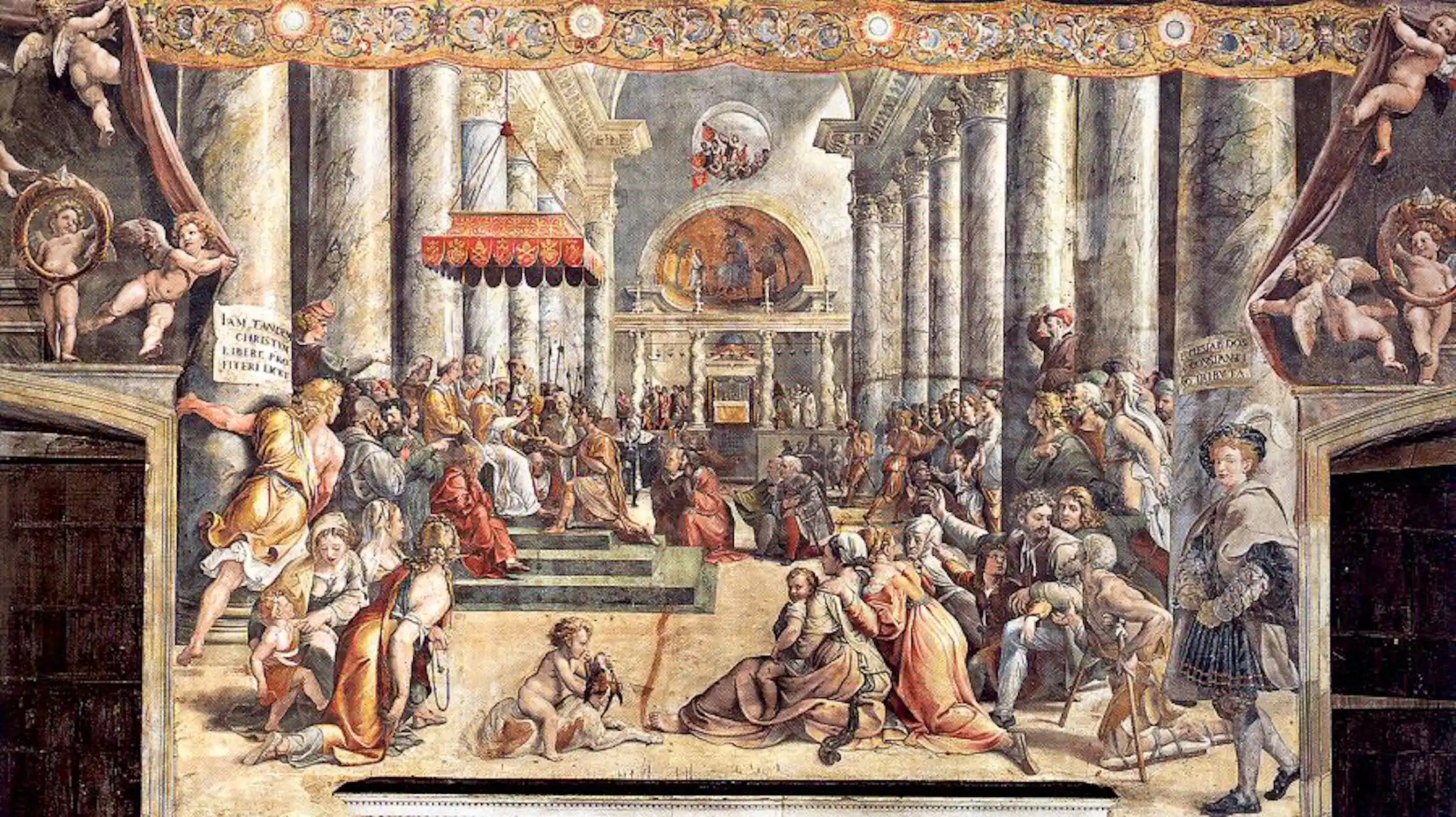
At least 10 medieval popes cited a forged imperial decree claiming Emperor Constantine I gave Rome and the Western Roman Empire to Pope Sylvester I around 300 AD. It was called the Donation of Constantine.
A miraculous recovery story
The forged text claimed Constantine fell ill with leprosy, dreamed he should seek baptism from Sylvester, recovered, and gratefully granted the pope control over Rome, Italy, and vast territories across the Mediterranean.
No evidence until the eighth century
The Donation didn't appear in any documents until 778, when Pope Adrian I mentioned it to Charlemagne. It became a tool to claim papal authority over European kings and territories.
Dante condemned it in verse
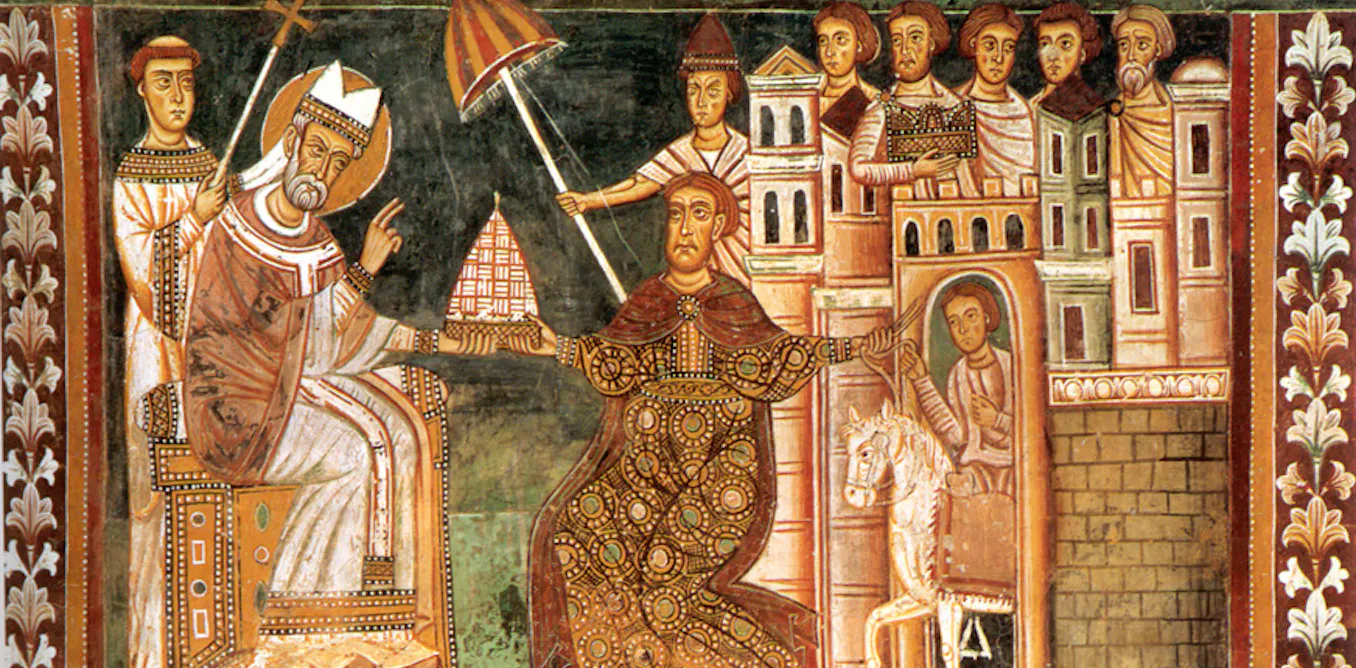
By the 14th century, the Donation was so famous that poet Dante Alighieri referenced it in the Divine Comedy, blaming it for corrupting the church with greed for temporal power.
“Ah, Constantine, how many evils grew, Not from thy change of faith, but from the gift Wherewith thou didst the first rich Pope endue!”
First doubts emerge
In 1433, Cardinal Nicholas of Cusa became the first to publicly question whether the Donation was real, noting that no fourth-century documents mentioned Constantine transferring power to the pope.
Valla proves it's a fake
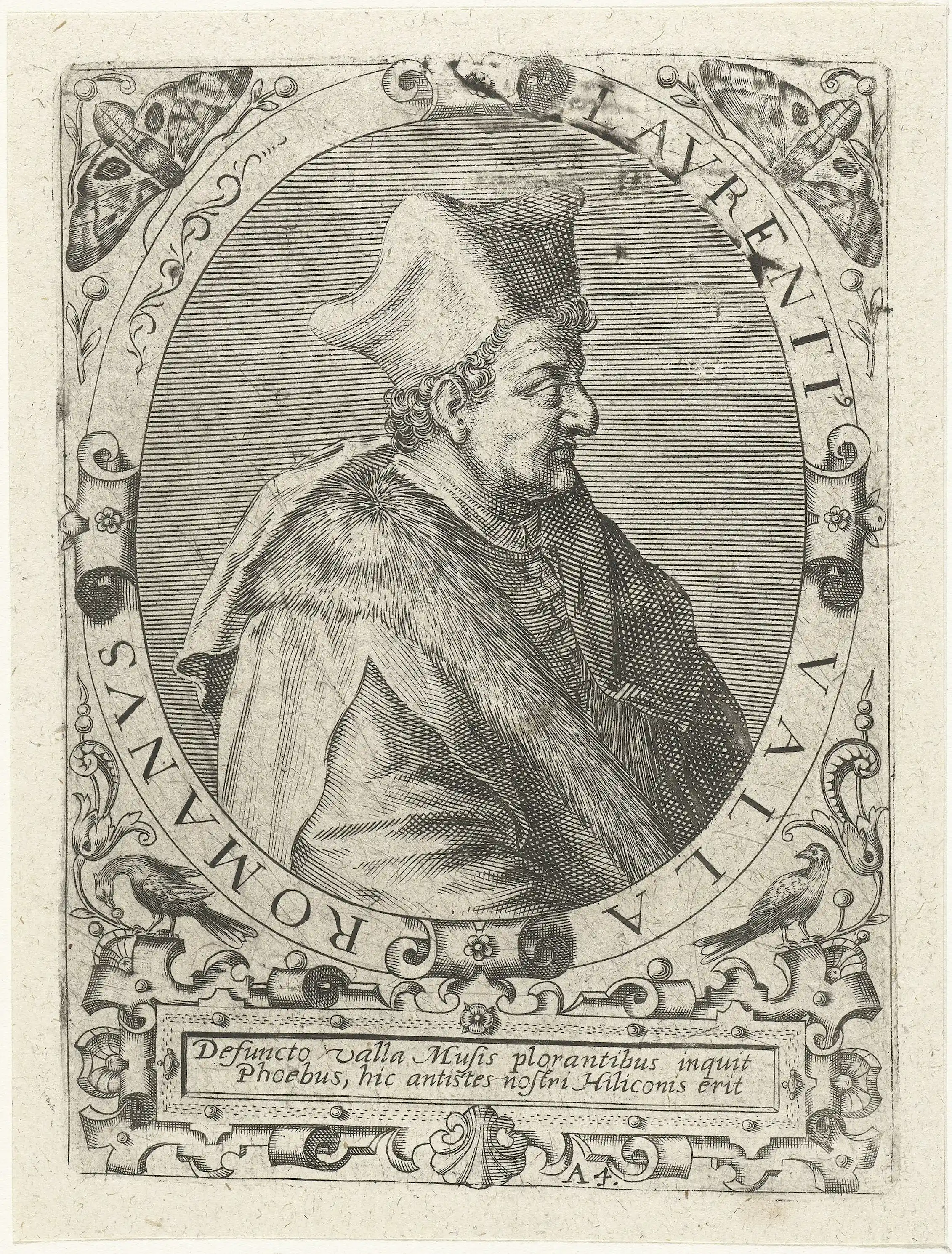
In the 1440s, humanist Lorenzo Valla wrote a detailed essay proving the Donation was forged. He found anachronistic language, no contemporary sources, and showed Constantine had no legal power to grant such authority.
“spurious and forged”
A priest questions his own church
Valla, himself a Catholic priest, accused the church of deliberately maintaining this deception for centuries. His willingness to apply critical analysis to church claims earned him praise from fellow Renaissance scholars.
Others follow Valla's lead
After Valla's work, other scholars questioned the Donation. Bishop Reginald Pecocke and even future Pope Pius II acknowledged it was likely forged, though universal acceptance took until the early 1600s.
A lesson for today
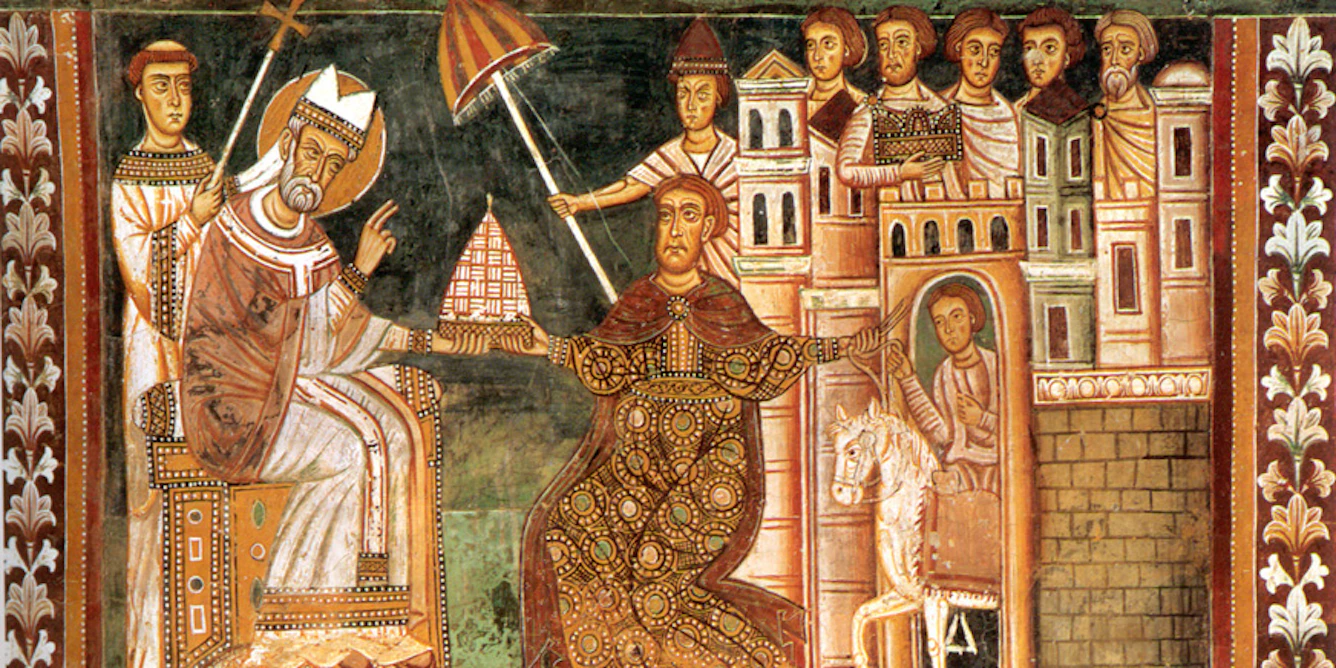
The Donation of Constantine shows that societies have always struggled with misinformation. Like Valla, we must apply critical thinking and demand concrete evidence rather than accepting claims at face value.
The main idea
Forged documents can influence history for centuries, and critical analysis of sources matters as much now as it did in the 15th century.