From The Conversation · Joëlle Rollo-Koster · · 3m
Medieval people revolted far more than you think
The Middle Ages weren't a thousand years of obedience. Peasants, weavers and townspeople fought back, and sometimes won.
In brief
The Middle Ages weren't a thousand years of obedience. Peasants, weavers and townspeople fought back, and sometimes won. Medieval people treated authority as a bargain: protection and fairness in exchange for obedience. Break your side, and they broke theirs. Originally reported by The Conversation.
The myth of the docile peasant
We picture the Middle Ages as centuries of silent obedience, with real resistance only arriving with the Renaissance and the Reformation. The records say otherwise.
Monty Python got it right
A history professor has spent decades opening class with the Holy Grail scene where peasants heckle King Arthur. The joke works because it flips what we assume about medieval politics.
“Supreme executive power derives from a mandate from the masses, not from some farcical aquatic ceremony!”
They had political opinions
From roughly 500 to 1500, ordinary people held firm views about how power should work. When rulers, bishops or tax collectors broke the bargain, people pushed back.
French peasants said no
In the 11th and 12th centuries, peasants in northern France refused the labor and payments they owed the lords who controlled their farmland. Refusal was a tactic long before it was an ideology.
The plague changed the math
The Black Death of 1348 killed so many workers that survivors could bargain for better wages and conditions. Serfs began refusing the old feudal obligations.
So the king froze wages
England's Edward III answered with the 1351 Statute of Laborers, capping wages and killing any hope of moving up. Each new wave of plague added to the resentment.
A tax on being alive
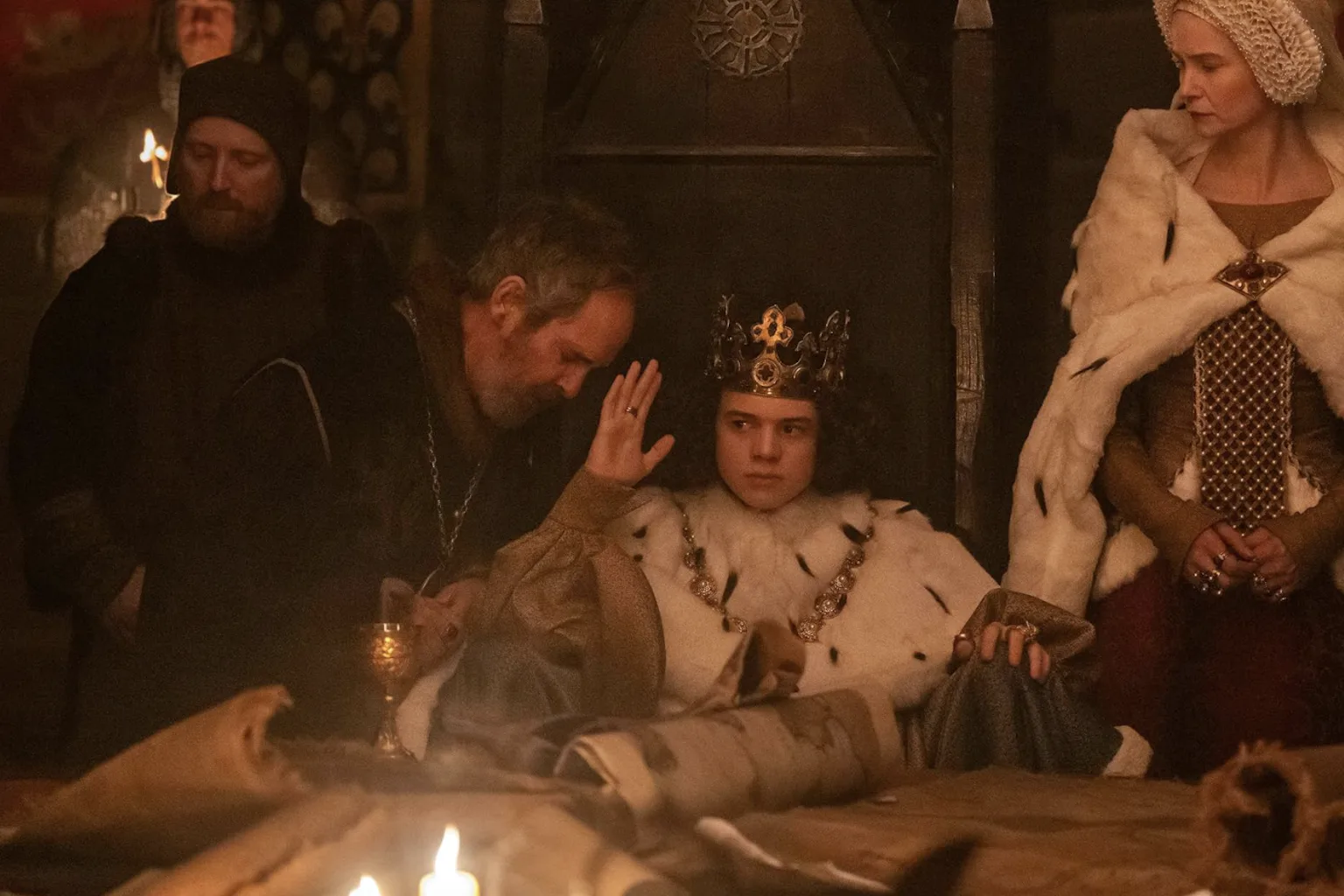
In 1381, 12-year-old Richard II levied a one-time 12 pence tax per person to fund the war with France. Charged per head rather than by wealth, it crushed the poorest families.
England burned its paperwork
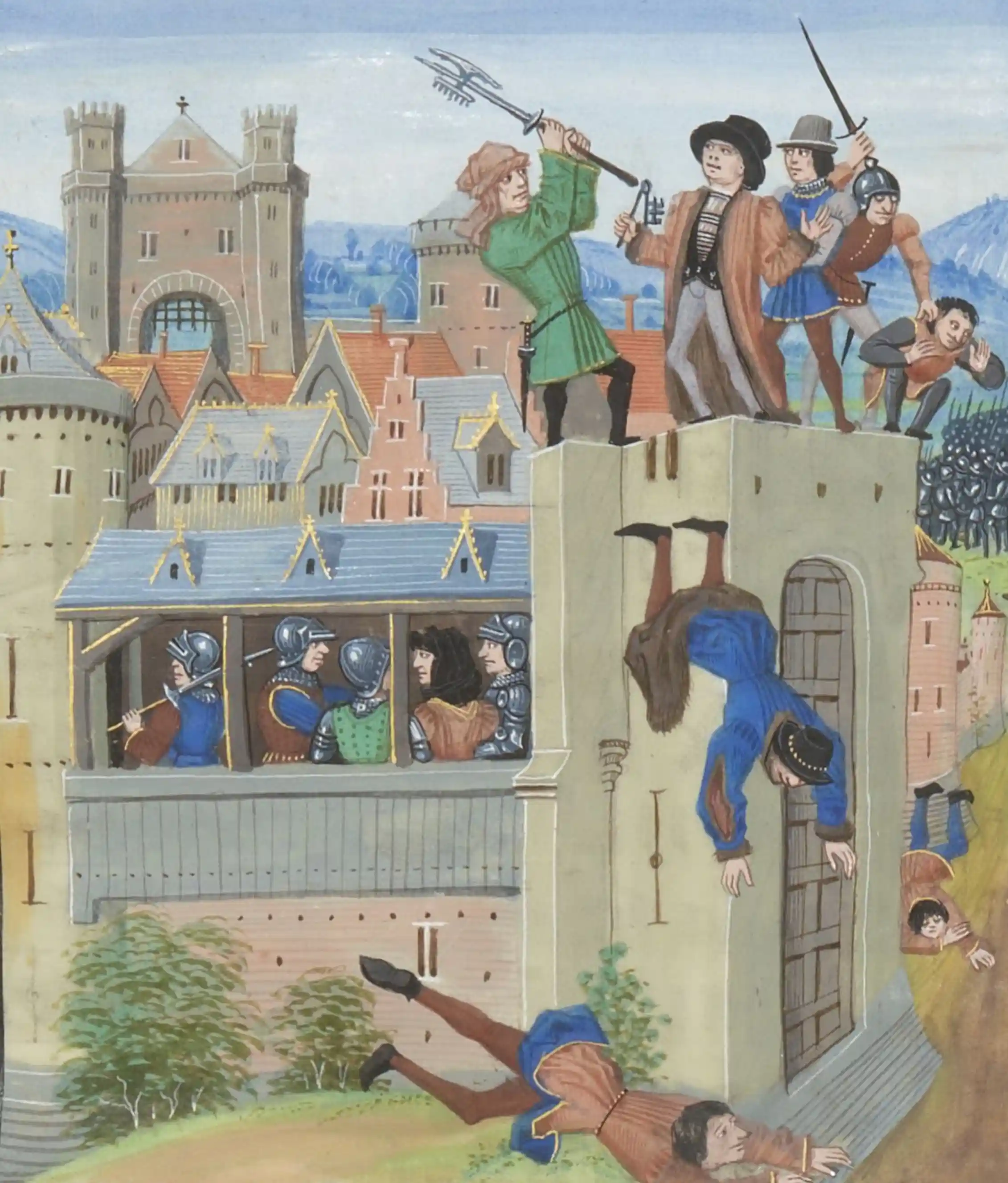
Crowds attacked tax collectors, then organized. They torched houses, castles and the documents recording what they owed their lords, killed officials, and marched on London.
The king lied
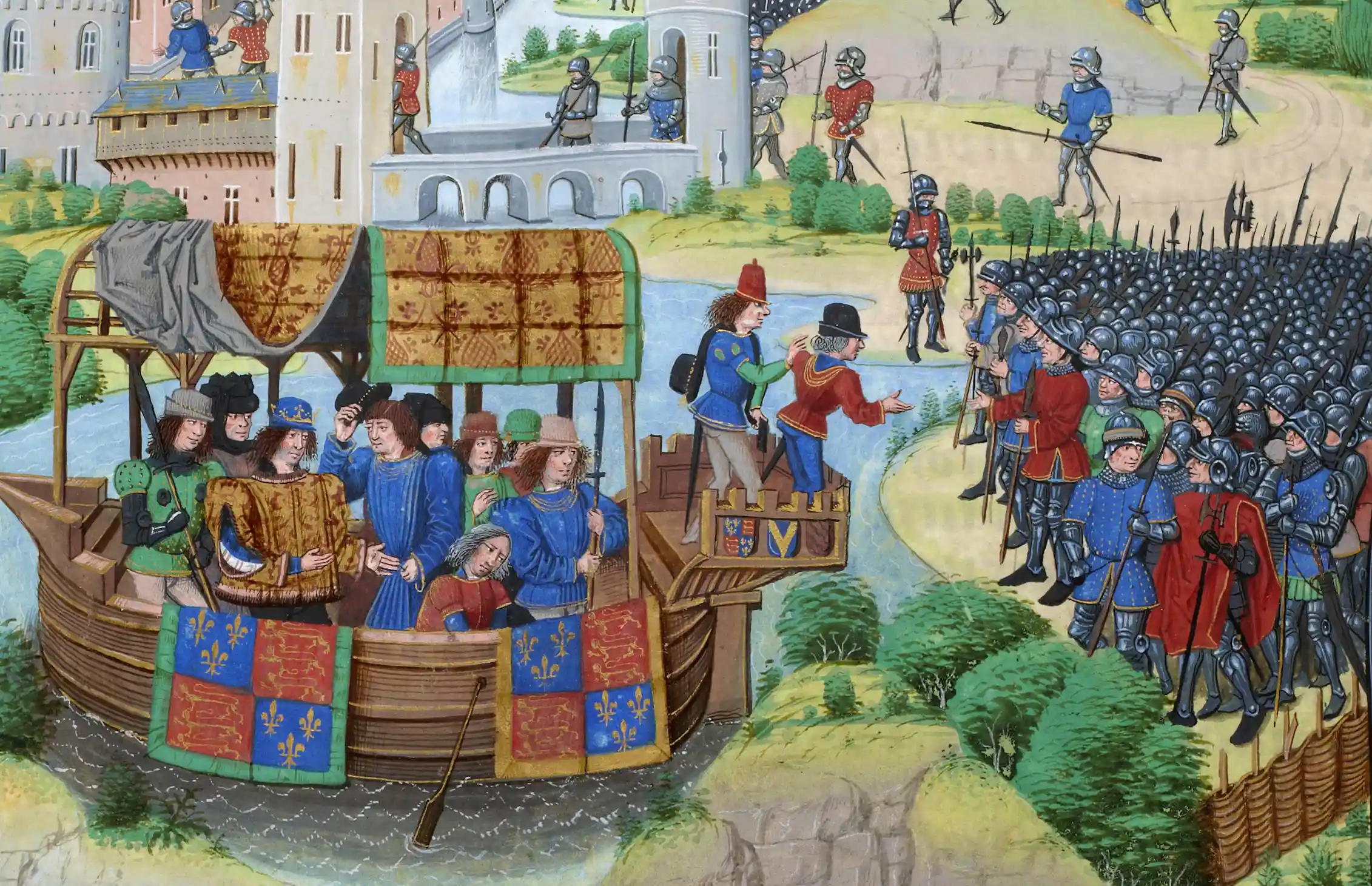
Richard met the rebels and promised to end the poll tax and serfdom and cut land rents. Then he took it back and sent his forces to hunt the rebels down.
Guilds taught them to organize
Towns across Europe were thick with guilds of merchants and craftsmen and with religious confraternities, the mutual-aid societies of their day. Those networks made mass action possible.
France: protection not delivered
In 1358 the Jacques burned noble estates and killed aristocrats, allying with Paris and its leader Étienne Marcel. The nobility took everything and failed to provide the one thing owed in return.
Florence's woolworkers walked in
Guilds ran Florence, but the Ciompi who carded and combed its wool had no guild and no vote. In June 1378 they stormed government offices and won four years inside the system.
Even popes weren't safe
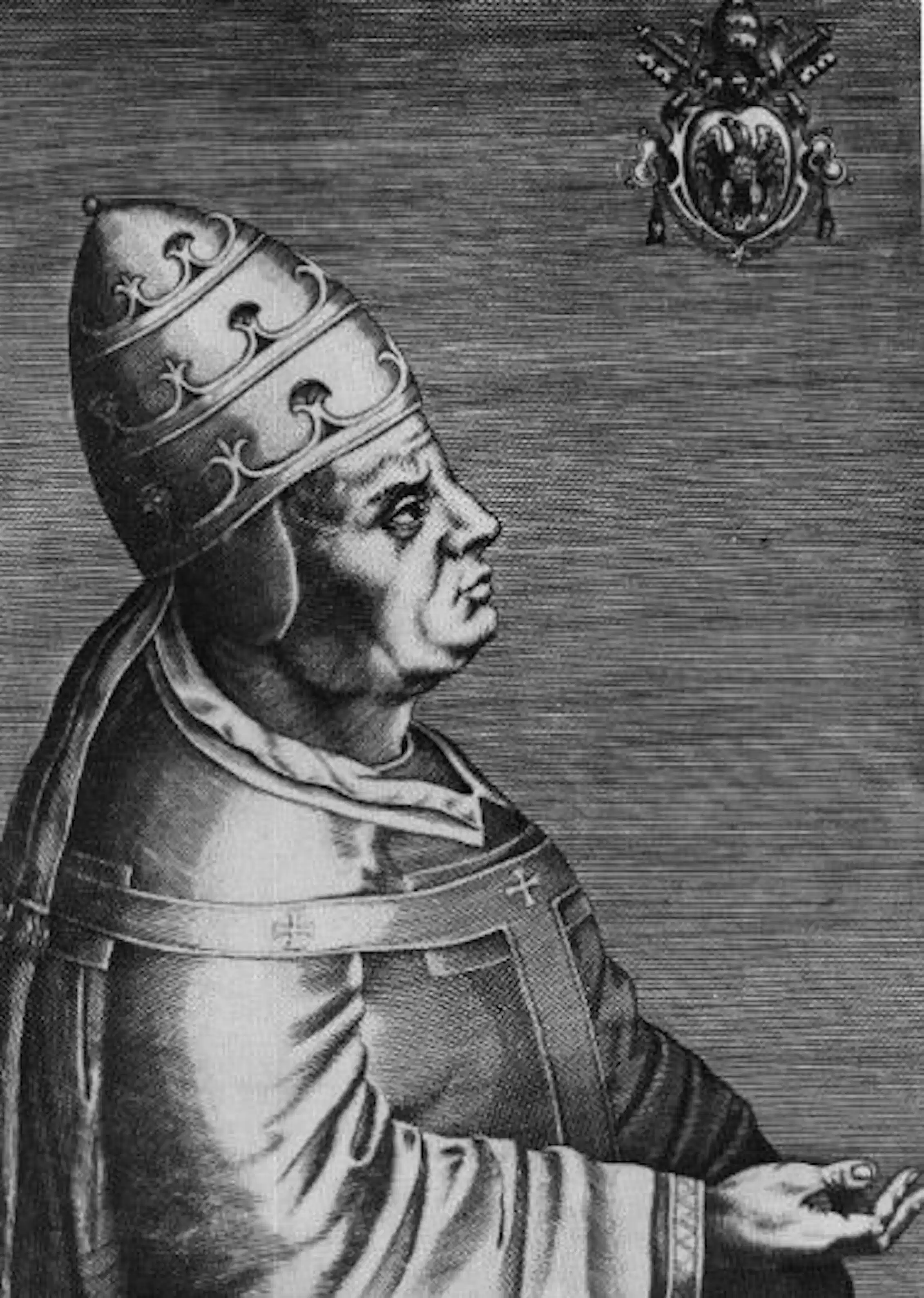
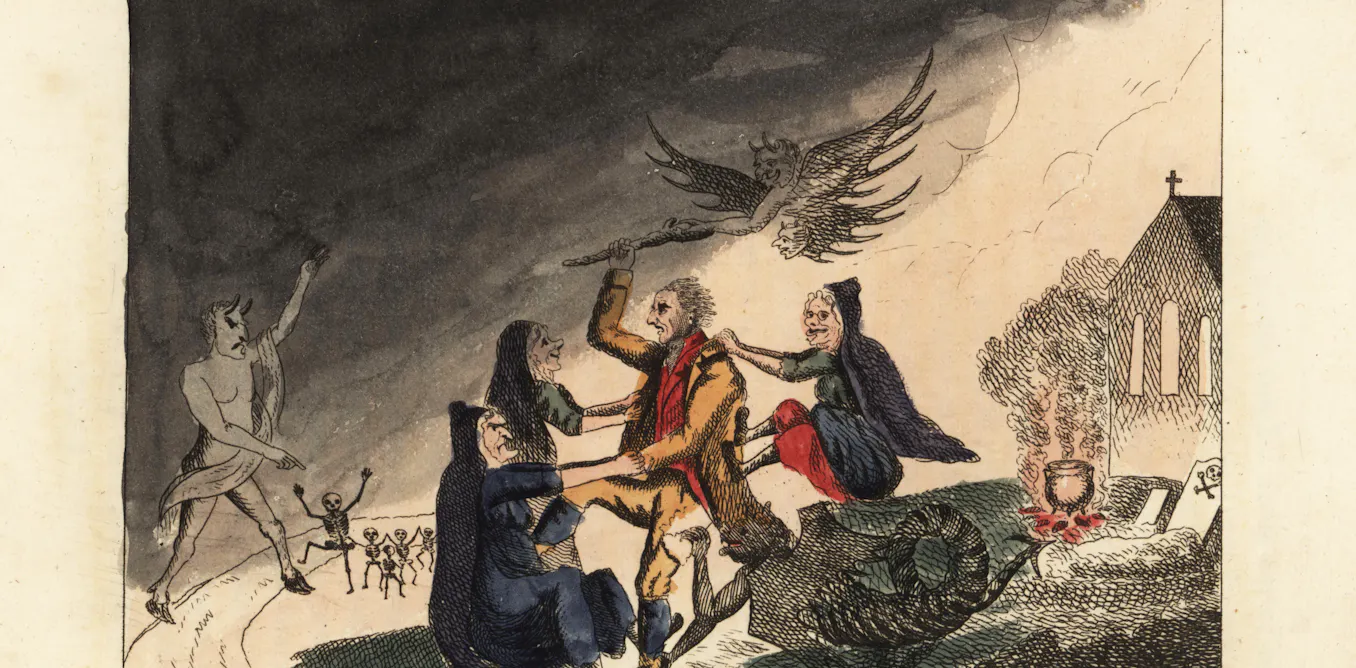
When a bishop or pope died, crowds looted the estate. In 1050 Peter Damian complained they burned homes and cut down the vineyards, and in 1367 a washed dog in Viterbo's drinking fountain sparked a two-day uprising.
“at the death of the bishop break in like enemies and rob his house”
Authority is a two-way street

After 1274 cardinals alone chose the pope and public input vanished, yet a mob in Carpentras still stalled an election for two years. The fight over who gets to rule has not changed much.
“the violence inherent in the system”
What it means
Medieval people treated authority as a bargain: protection and fairness in exchange for obedience. Break your side, and they broke theirs.