From The Conversation · Brian Tang · · 1m 10s
Nor'easter Surge Height Explained
Nor'easter storm surge in 2026 flooded coastal areas as sea levels rise.
In brief
Nor'easter storm surge in 2026 flooded coastal areas as sea levels rise. A 2026 nor'easter caused high storm surges in New Jersey and Delaware bays due to strong winds, high tides, and sea-level rise. Originally reported by The Conversation.
Nor'easter hits U.S. Atlantic Coast
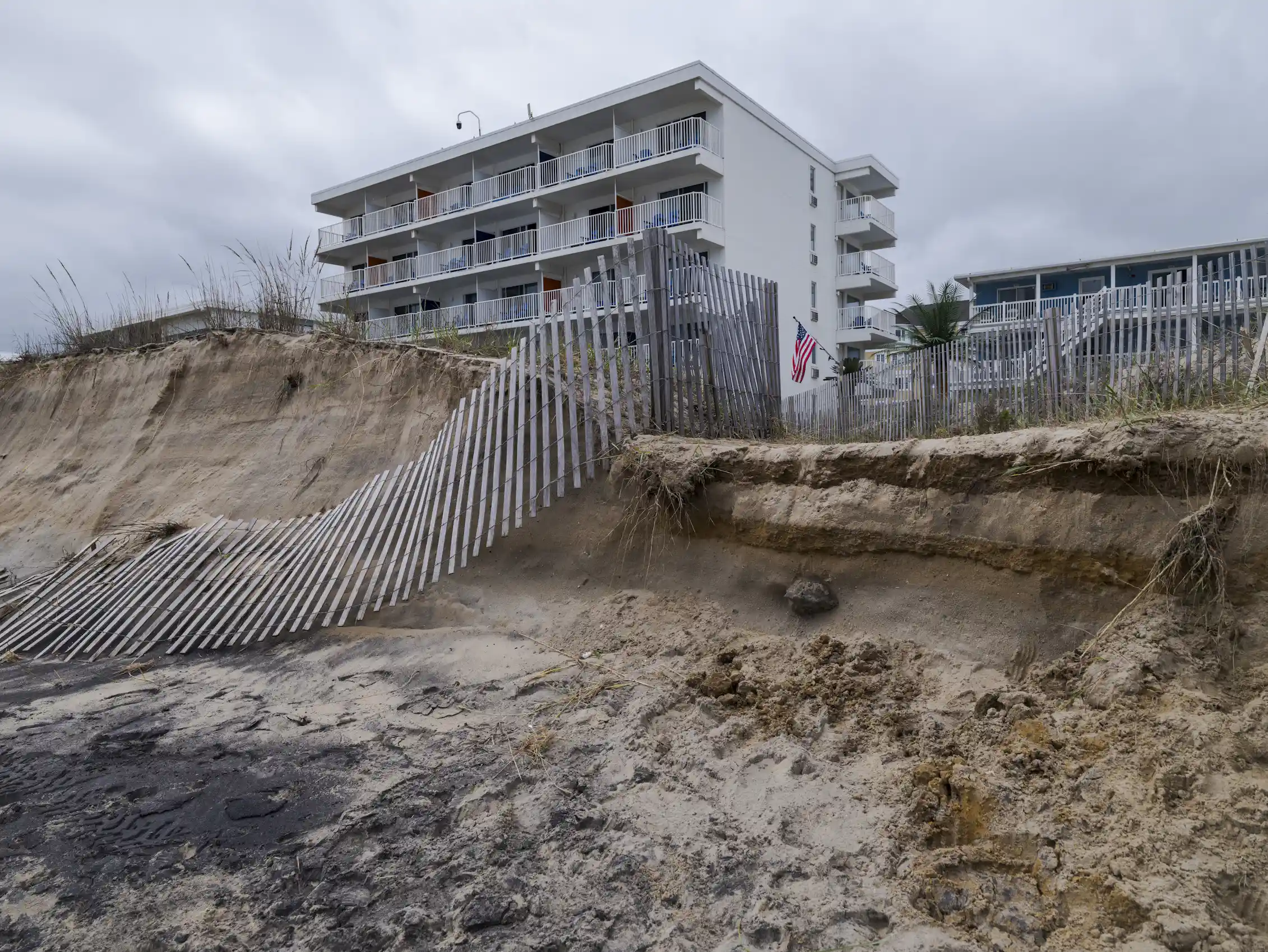
A powerful nor'easter swept into restaurants and homes in Sea Bright, N.J., in late September 2026.
Atlantic City flood levels
Atlantic City, New Jersey, saw its highest water level since Superstorm Sandy in 2012 as the storm surge washed into houses and vehicles.
Storm surge factors
Storm surge is the piling up of water caused by strong winds pushing water onshore as the nor'easter strengthened.
High tides worsen flooding

The greatest flooding occurs when peak storm surge coincides with high tides, especially around a full moon.
Sea-level rise impacts
Atlantic City sea level rises at 2 inches (50 millimeters) per decade, increasing flood risk for coastal homes.
El Niño winter risks
Strong nor'easters are more likely during El Niño years, raising flood risks for the East Coast this winter.
Preparation advice

Check insurance policies, prepare emergency kits, and follow community emergency managers during storms.
The big picture
A 2026 nor'easter caused high storm surges in New Jersey and Delaware bays due to strong winds, high tides, and sea-level rise.