From The Conversation · Bernadette A. Lear · · 3m
Pennsylvania invented the library you use today
From Ben Franklin's stockholder club to Carnegie's matching funds and today's book bans, one state shaped the American public library.
In brief
From Ben Franklin's stockholder club to Carnegie's matching funds and today's book bans, one state shaped the American public library. Public libraries were not born free or open. Every step toward that, public funding, access ramps, broadband, was fought for, and that fight is still running. Originally reported by…
Pennsylvania wrote the blueprint
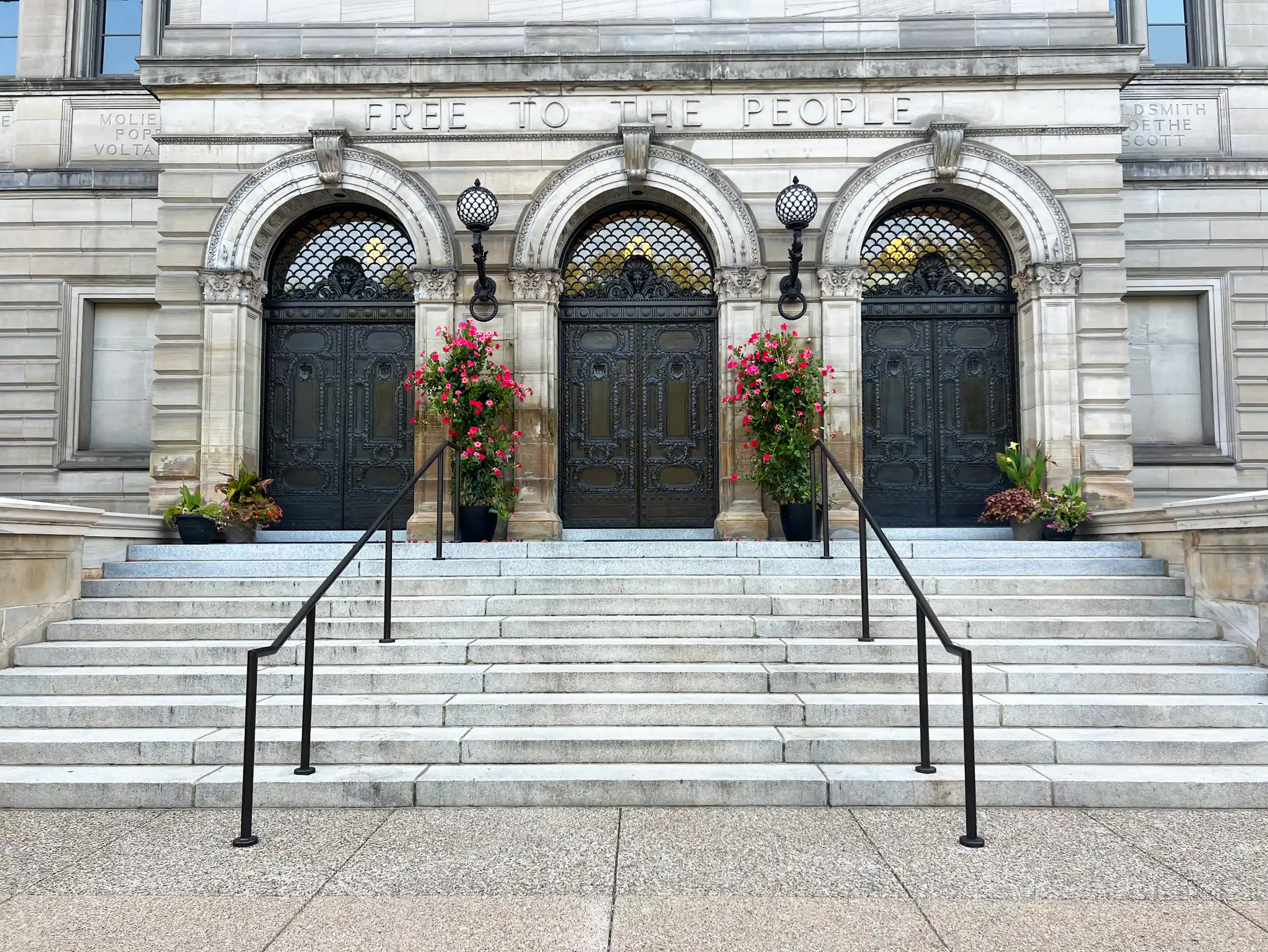
The American Library Association turned 150 this year and kept circling back to one state: founded in Philadelphia in 1876, funded by a Pittsburgh steel baron, documented by a Scranton couple.
Franklin's club, not a library
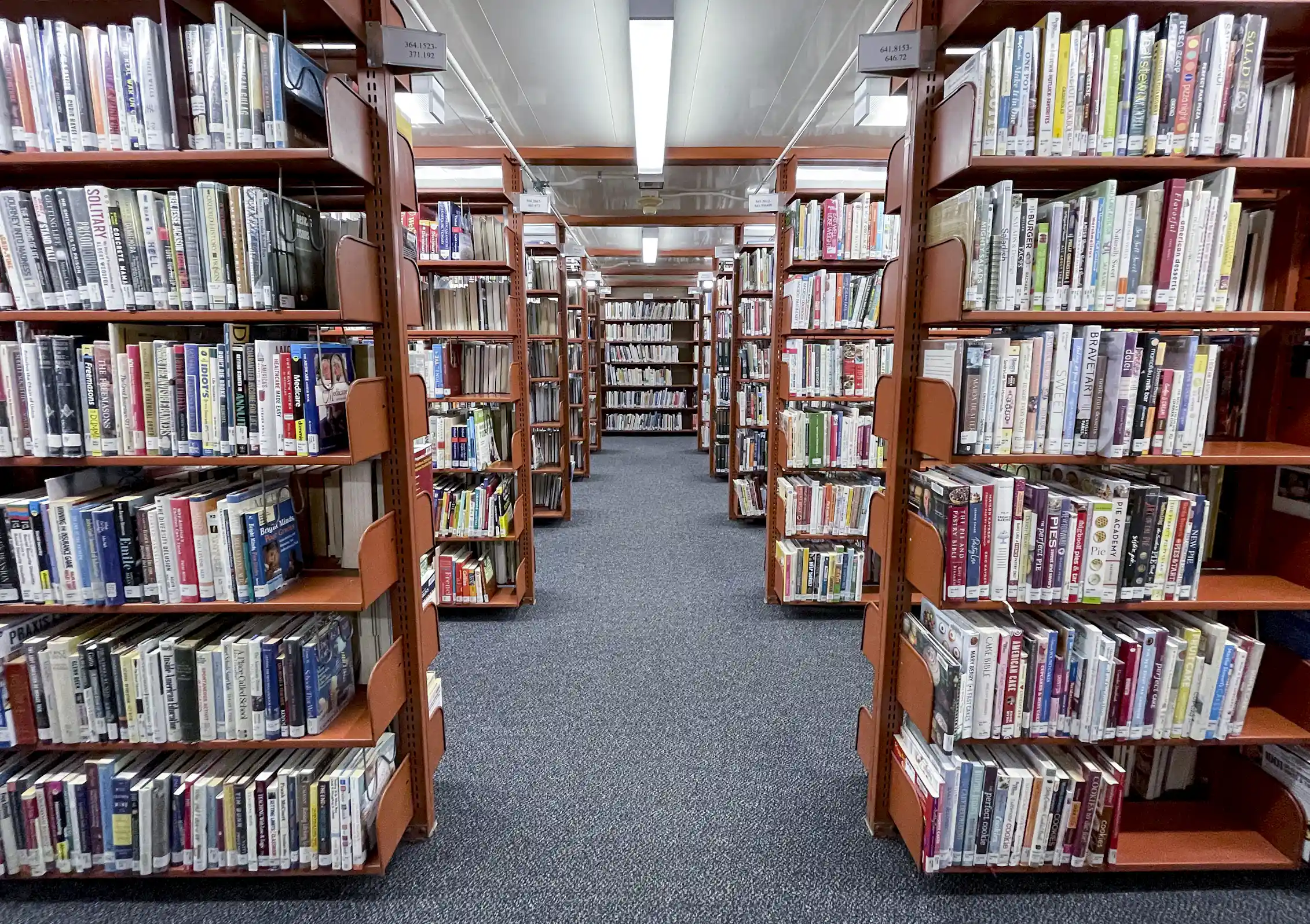
The Library Company of Philadelphia, started in 1731, was the first successful circulating library in the country. Stockholders pooled money for books and charged everyone else an annual fee to join.
Why they called it public
These libraries earned the word public for one reason only: you did not have to belong to a church or a college to use them. You still had to pay.
The 19th century pushback

Educators, women's clubs and local officials started arguing that books should reach people who could not afford a subscription. The idea of a truly free library came from that pressure.
Carnegie was not first
In 1883 lawyer Thomas Struthers built a Warren, Pa. complex with a theater and shops meant to bankroll a library inside it. The business plan flopped and borrowers had to buy tickets for books.
The 10% rule changed everything
Carnegie stopped writing endowment checks and started demanding terms: give land, plus yearly operating money worth at least 10% of the building cost. That quietly put libraries on the public payroll.
Rural towns get a lifeline
Pennsylvania's Act 329 of 1931 matched county spending on library service, and the federal Library Services Act of 1956 funded books and bookmobiles for towns under 10,000 people.
Cities were left out
Act 329 skipped Philadelphia and Allegheny counties, and the federal money was reserved for small communities. Until the 1960s, big-city libraries had no equivalent funding stream.
Exclusion without a sign on the door
Pennsylvania libraries never barred people by law the way Southern ones did. But choices about collections, staffing, space and programming still favored some readers over others.
Gussie Clark said it plainly

In a 1969 library bulletin, Philadelphia librarian Augusta Clark wrote that white colleagues tolerated Black patrons rather than serving them, and that Black children never felt at home in the branches.
“pained tolerance”
Ramps, elevators, outreach
After the 1964 Library Services and Construction Act, Pennsylvania funded service to public housing and prisons in Montgomery County, a program for people with intellectual disabilities in Altoona, and homebound seniors in Cumberland County.
The math still works
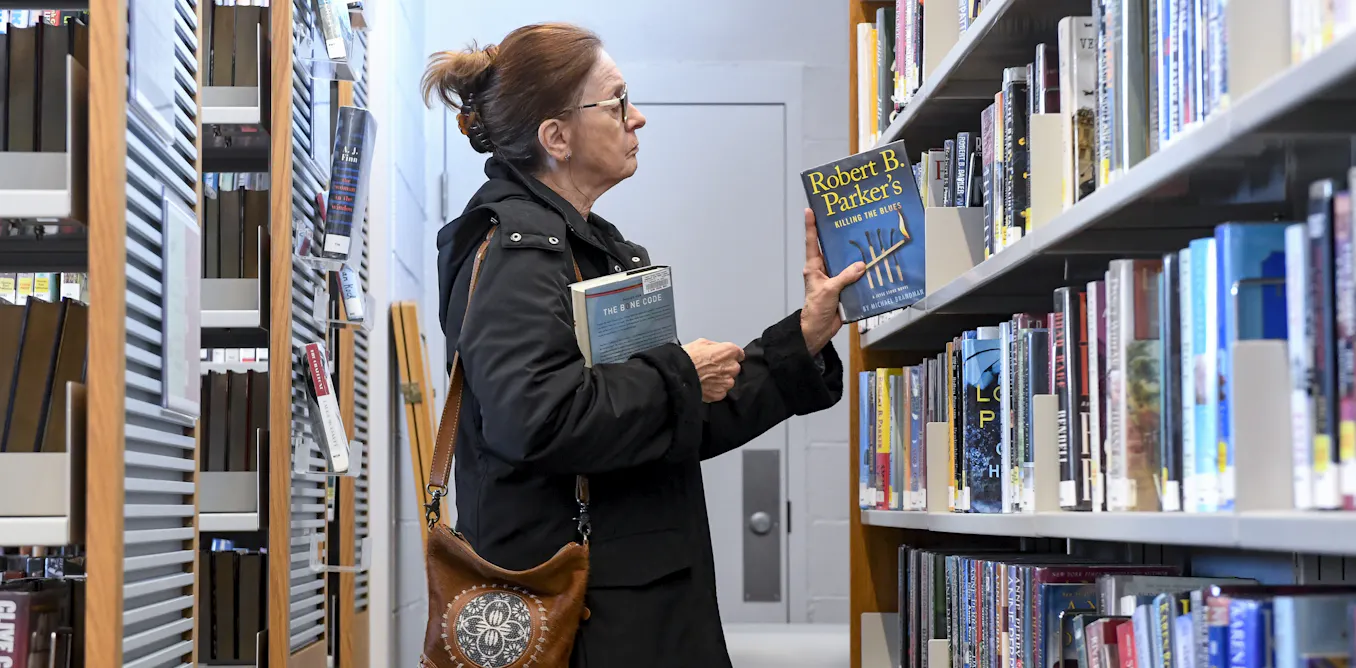
Paywalls block what Google and chatbots can reach, and the Pennsylvania Library Association calculates every $1 of tax money invested returns $5.50 in benefits through shared, discounted materials.
“largest number, at the least cost”
The job now takes nerve
Removal requests are old news, a Scranton priest novel drew one in 1898. What is new is the aggression, and bills in other states that would jail library staff over what sits on the shelves.
What it means
Public libraries were not born free or open. Every step toward that, public funding, access ramps, broadband, was fought for, and that fight is still running.