From The Conversation · Maurizio Valsania · · 1m 50s
Public Executions in Early US Republic
Historians debate whether public executions taught lessons or showed state power in 1700s America.
In brief
Historians debate whether public executions taught lessons or showed state power in 1700s America. Early American republic debated whether public executions taught lessons or demonstrated government power. Originally reported by The Conversation.
Public Executions in Early US Republic
Historians debate whether public executions taught lessons or showed state power in 1700s America.
Nidal Hasan's Execution Date
Nidal Hasan, an Army psychiatrist convicted of killing 13 people at Fort Hood in Texas in 2009, is scheduled for execution on December 3, 2026.
Defense Secretary Pete Hegseth's Statement
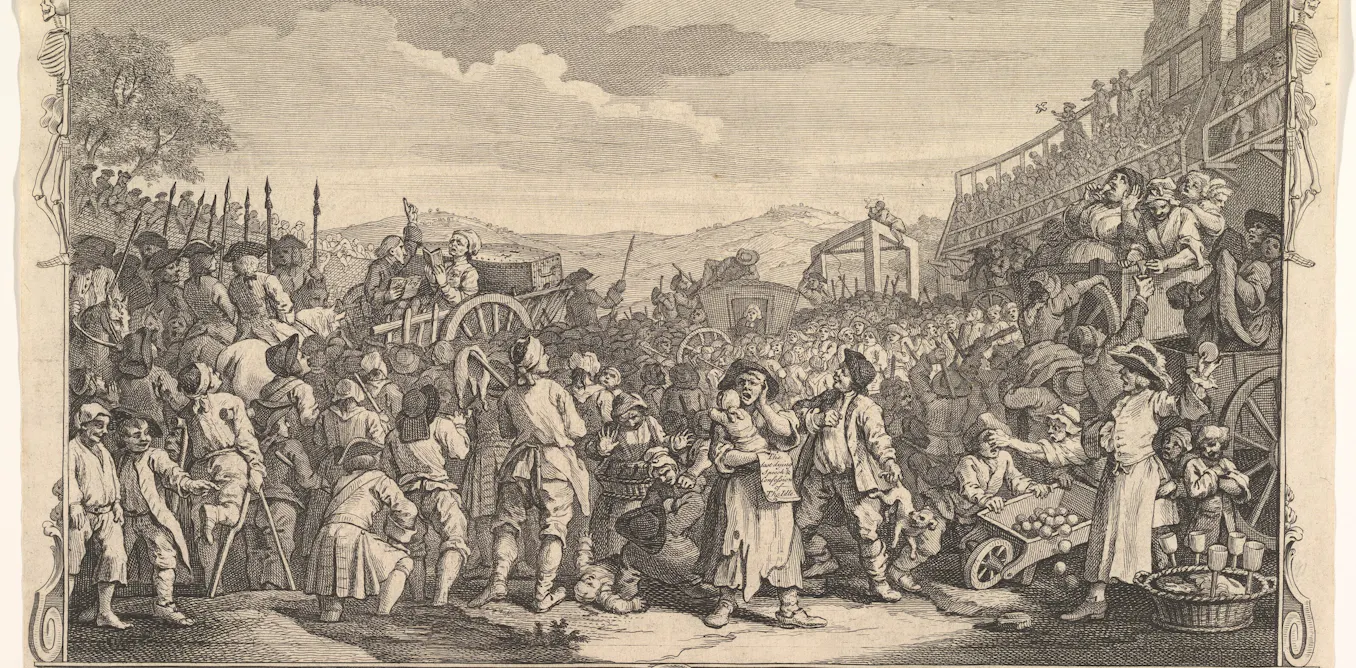
Defense Secretary Pete Hegseth said public executions teach serious consequences for such actions.
John Young's Execution
John Young, an English musician and music publisher, was executed in New York City on August 17, 1797.
John Jay's Role
Governor John Jay authorized military presence for Young's execution to impress witnesses with government authority.
Jay's Statement on Authority
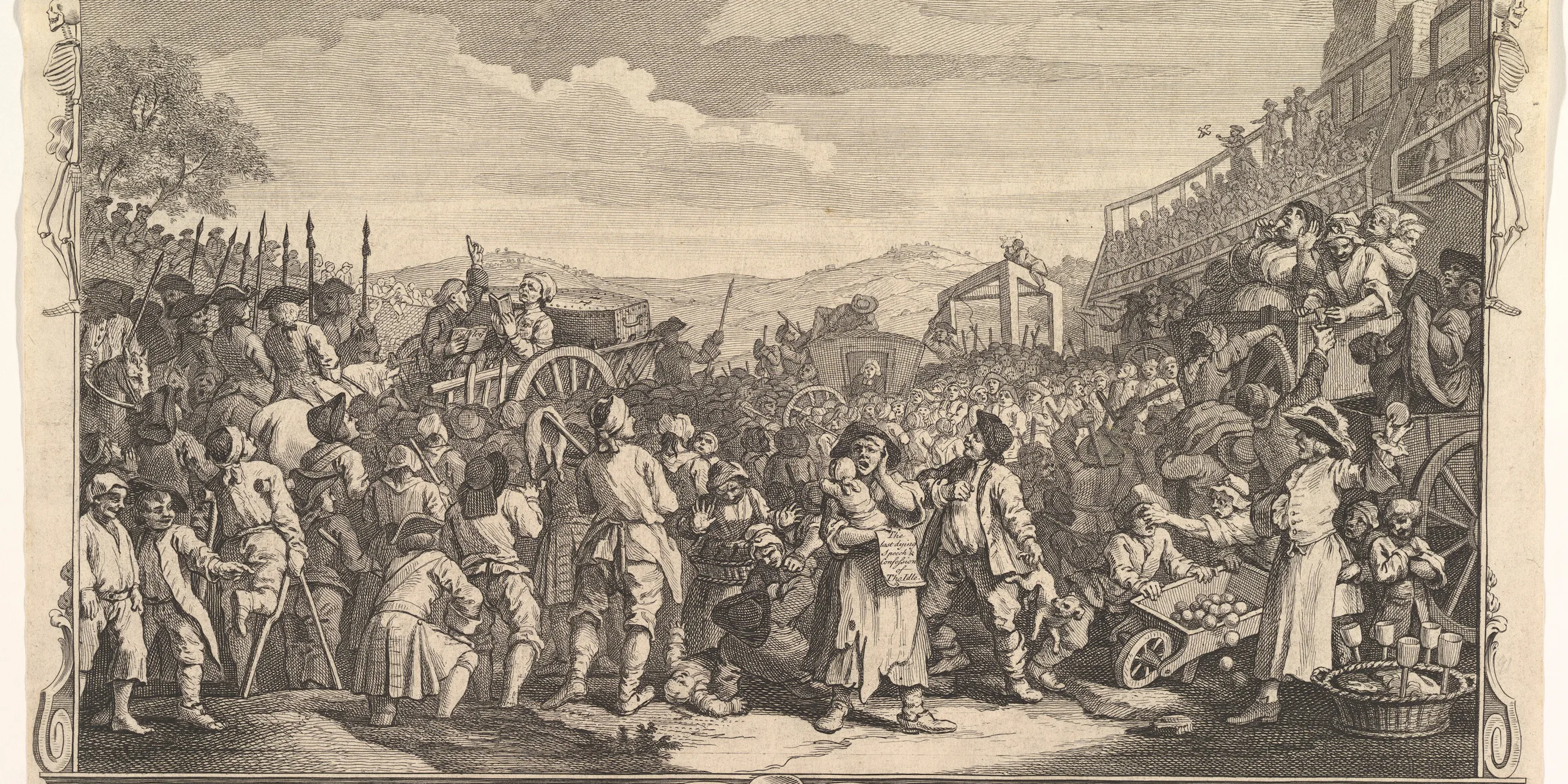
Jay wrote that the authority of law should visibly bear down on all opposition to maintain governmental strength.
Public Reaction to Execution
The military procession played lively music, causing some to mistake the event for a festival celebration.
Criticism of Government Authority
A critic accused Jay of letting down civil authority by using military force for executions.
English Sanguinary Laws
England had nearly 200 offenses punishable by death by 1776, which American reformers criticized as a corrupt system.
New Hampshire Constitution
New Hampshire's 1784 Constitution declared sanguinary laws both impolitic and unjust.
Benjamin Rush's View
Benjamin Rush argued capital punishment was a monarchy trait, treating citizens as property to be disposed of.
Rush's Concerns on Public Spectacle
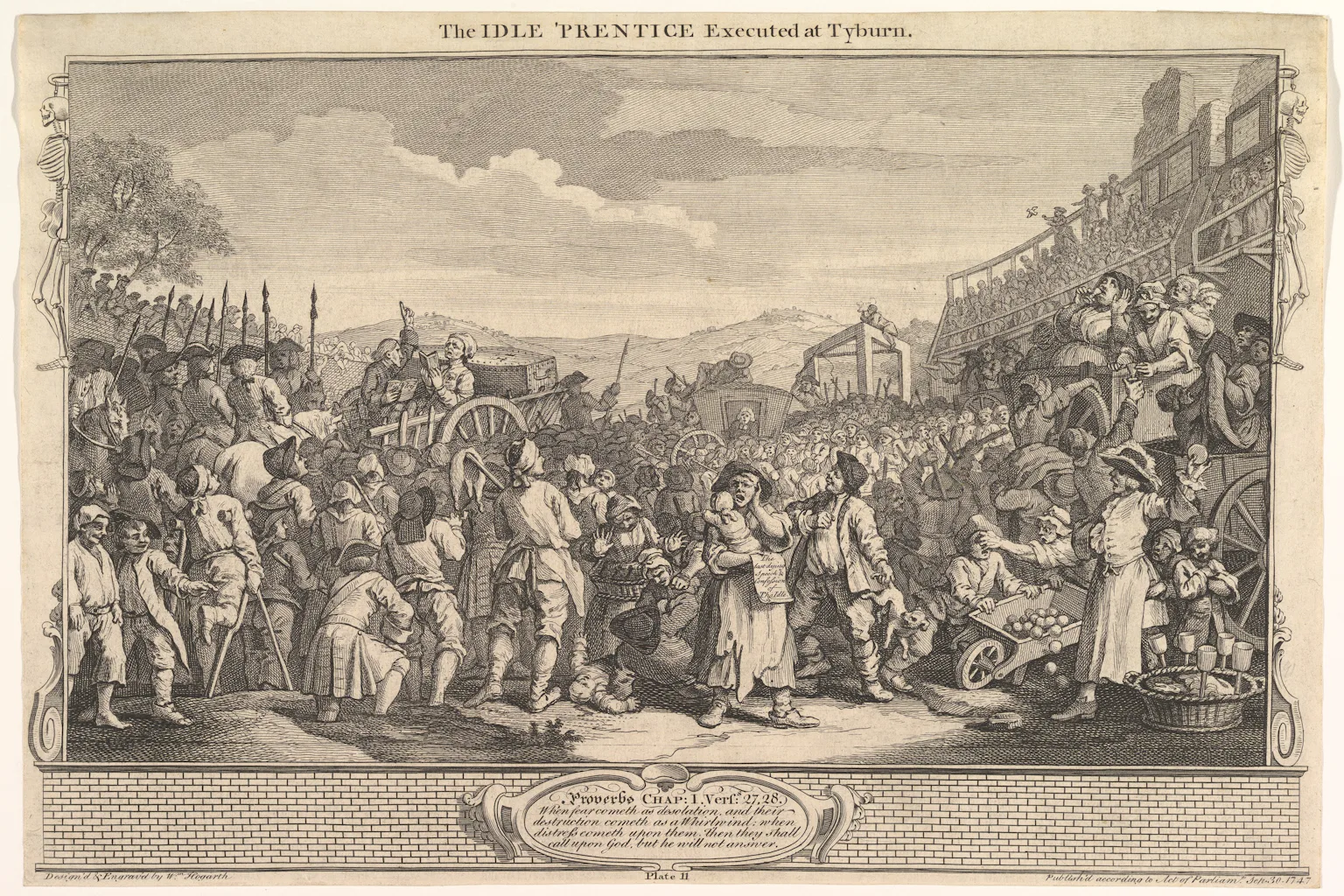
Rush questioned whether public executions taught lessons or encouraged sympathy for the condemned.
What to remember
Early American republic debated whether public executions taught lessons or demonstrated government power.