From The Conversation · Peter Dziedzic · · 2m
Rumi's Islamic roots stripped from translations
Popular Rumi translations omit Islamic context, turning spiritual poetry into generic advice.
In brief
Popular Rumi translations omit Islamic context, turning spiritual poetry into generic advice. American translations of Rumi's poetry strip its Islamic roots, reducing spiritual depth to universal advice. Originally reported by The Conversation.
Rumi's death anniversary
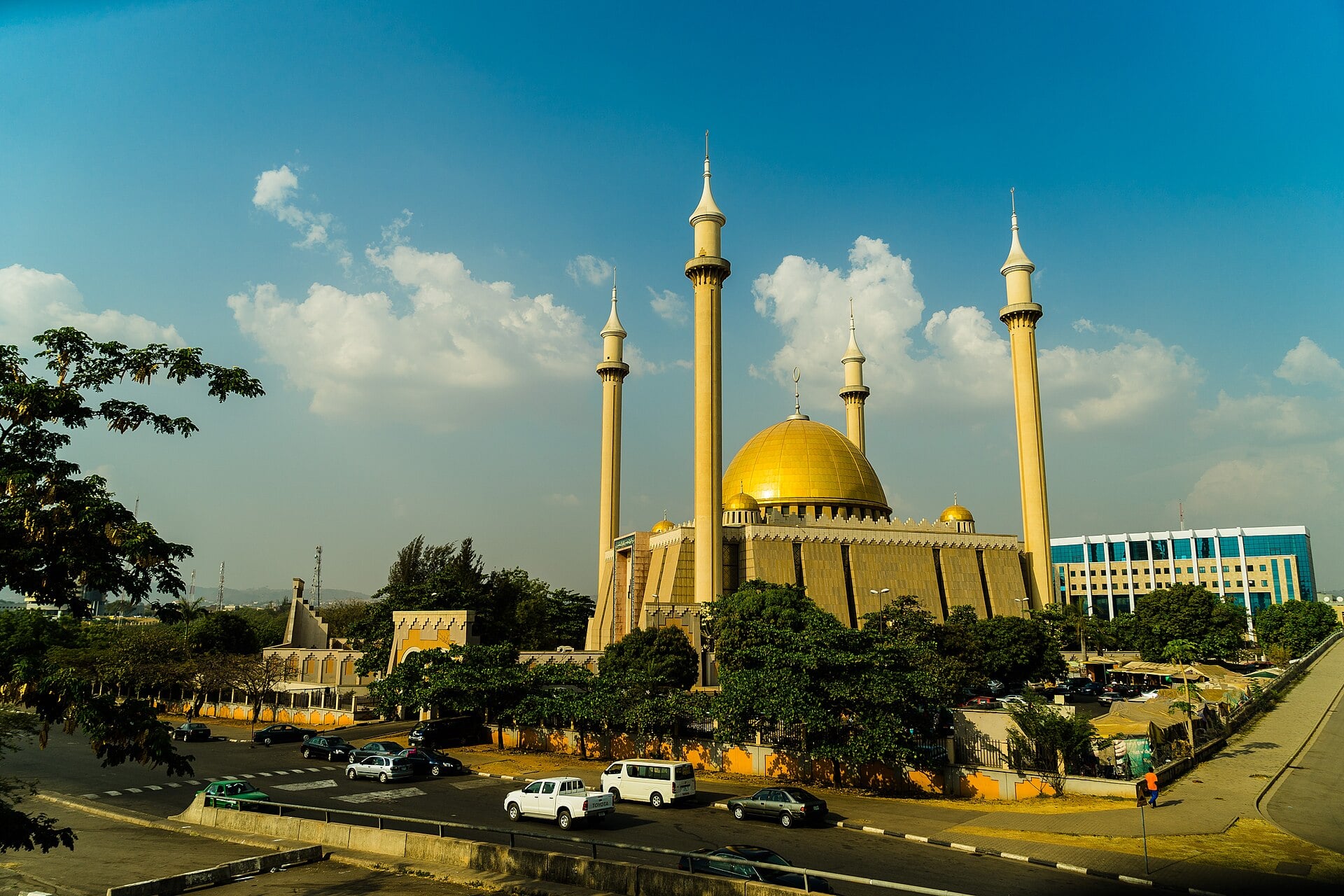
Every December, thousands gather in Konya, Turkey to mark the death of 13th-century poet Jalal al-Din Rumi.
Mevlevi order origins
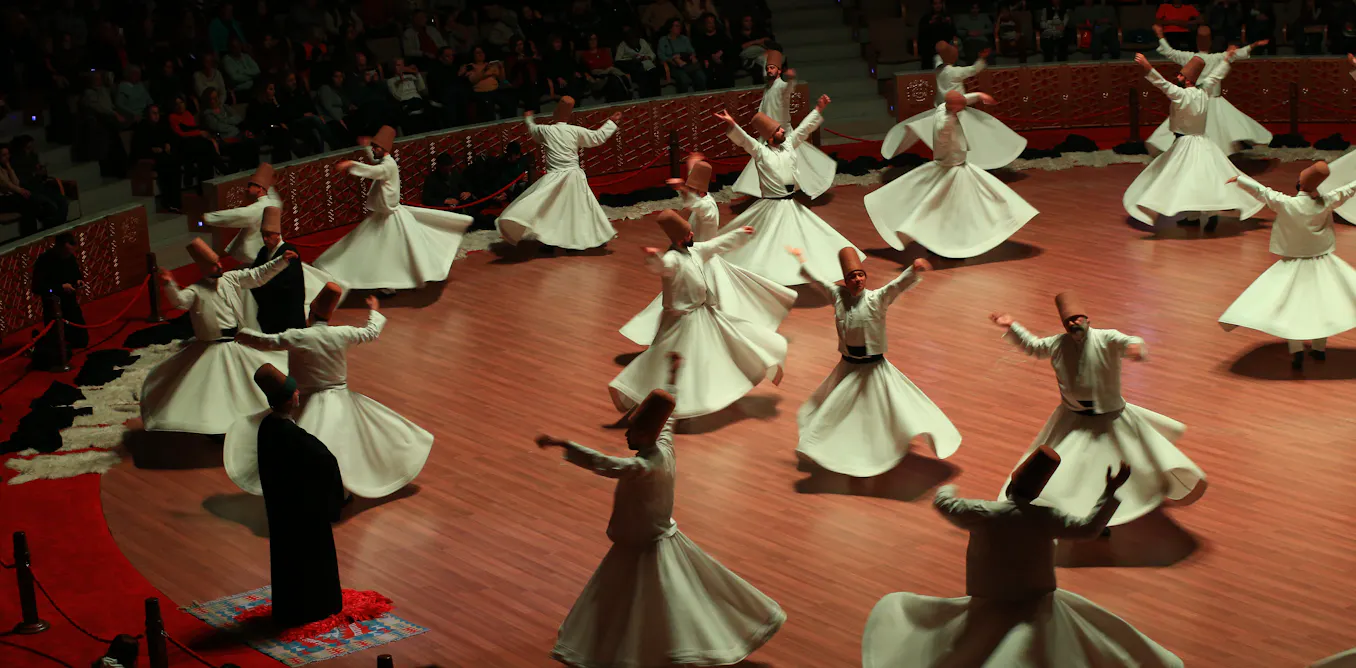
Following Rumi’s death in 1273, his disciples formed the Mevlevi order, known as whirling dervishes in the West.
Sema ceremony
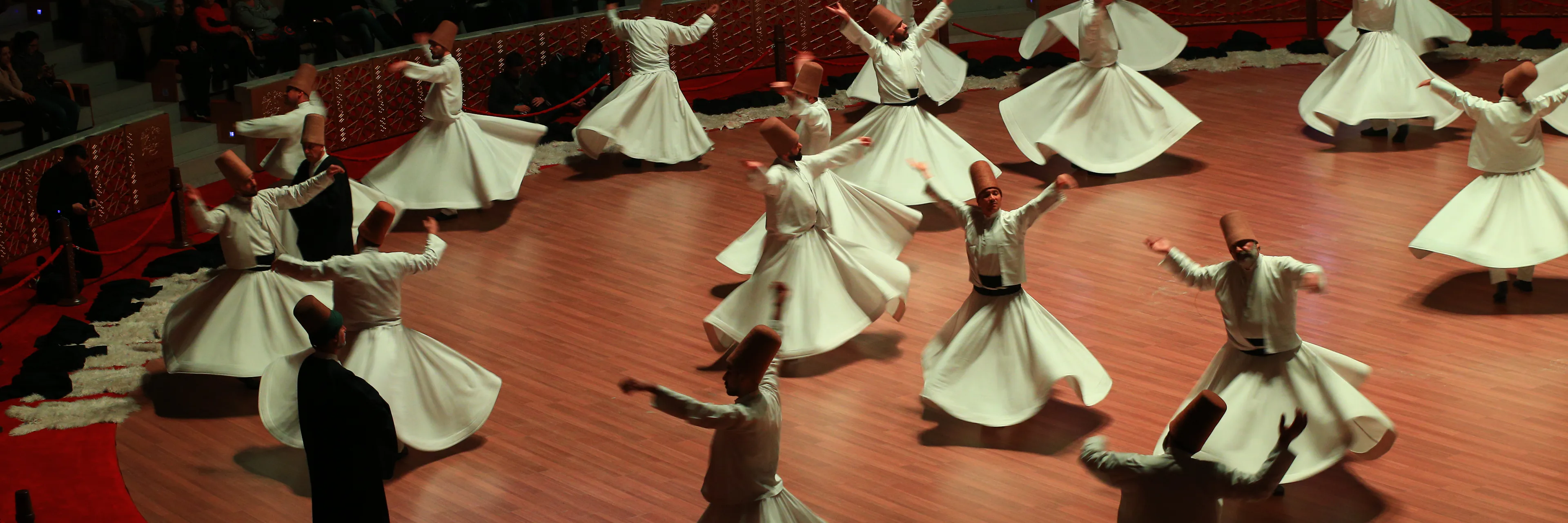
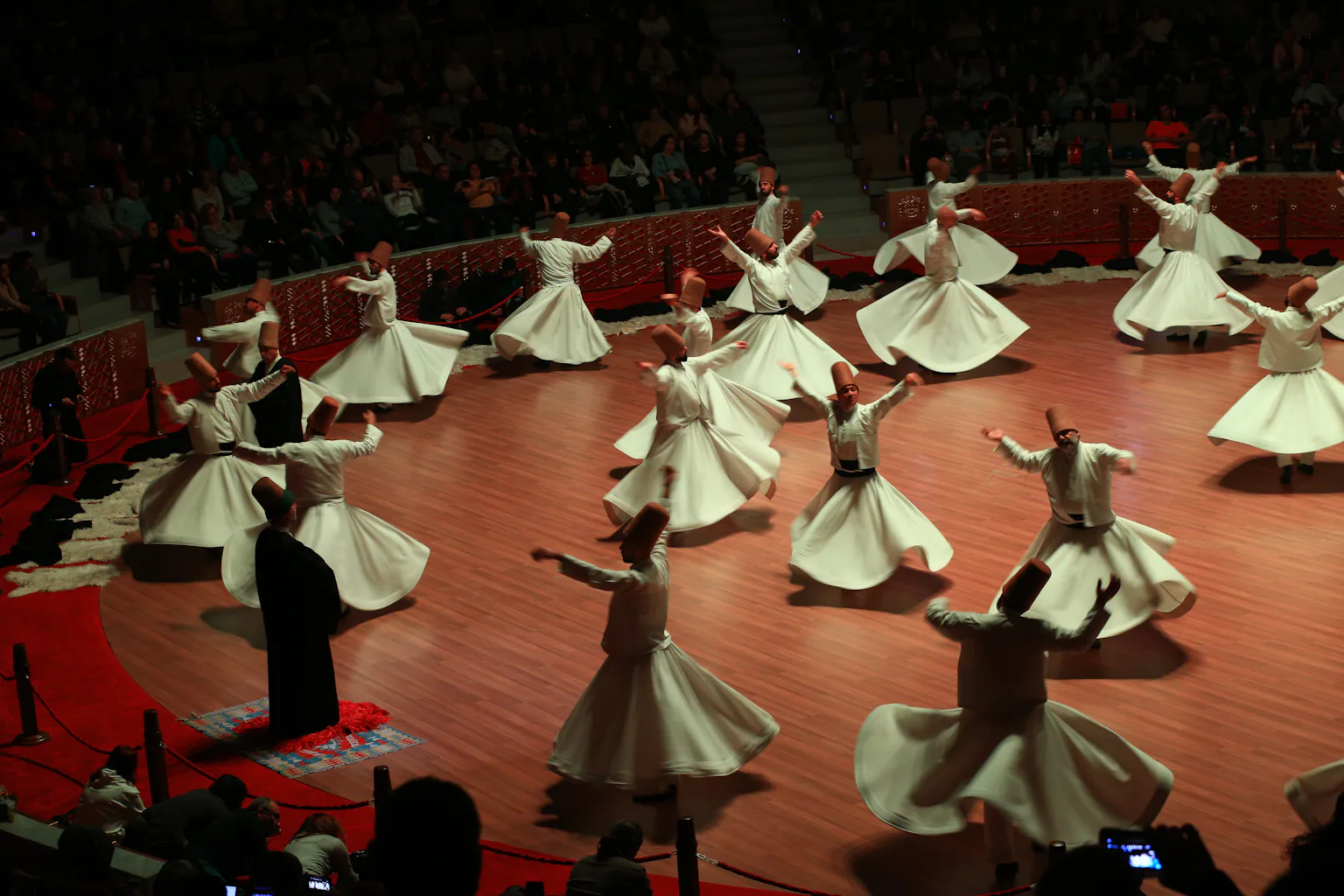
White-robed dervishes perform Sema: hymns praising Prophet Muhammad, reed flute, and slow whirling with palms raised and lowered.
Rumi's American presence
In the U.S., Rumi's poetry appears on wedding programs, yoga walls, and social media feeds as one of America's best-selling poets.
Rumi's background
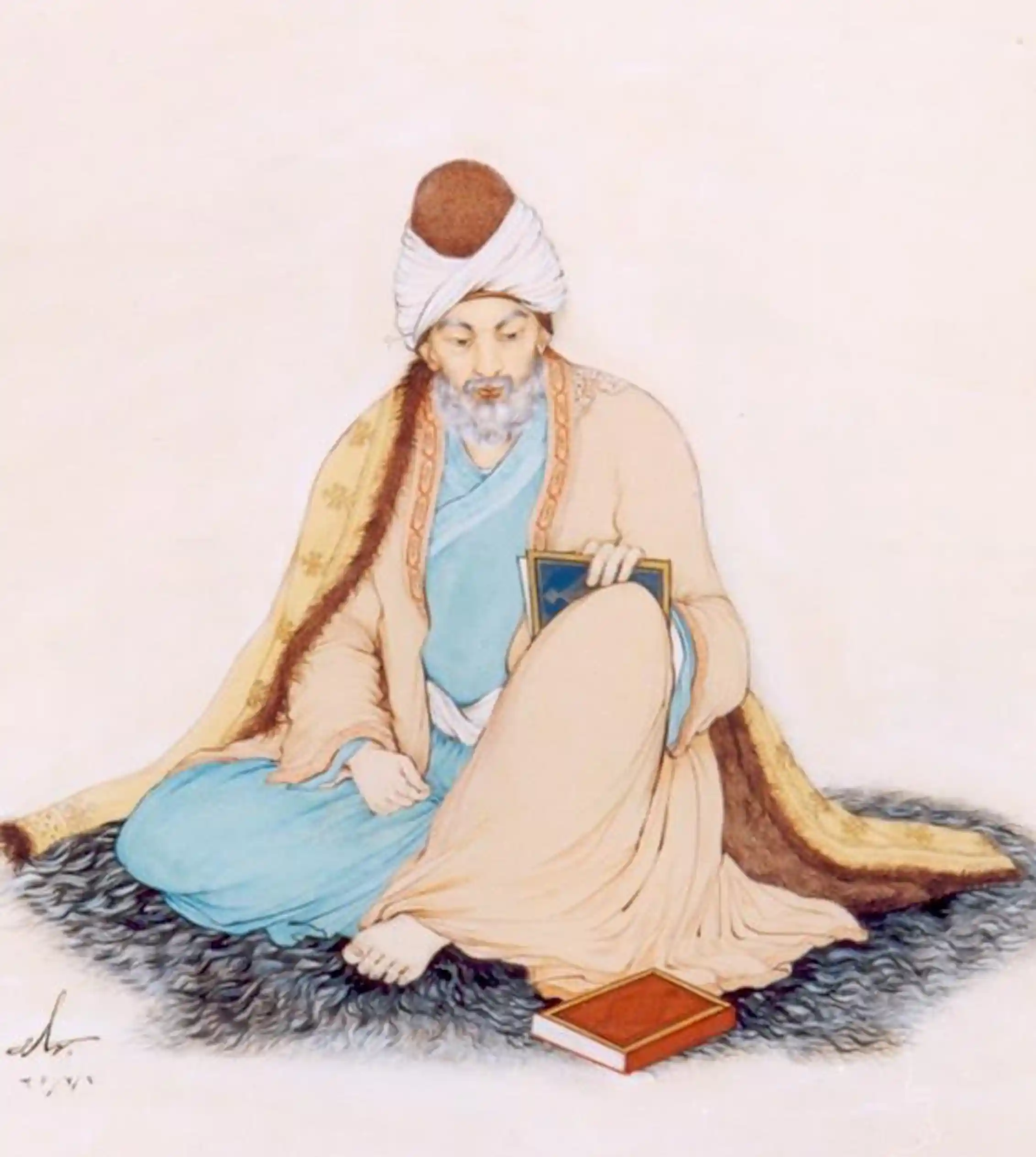
Born in 1207 in Balkh, present-day Afghanistan, Rumi moved west with his family as Mongol armies advanced across Central Asia.
Rumi's spiritual work
Rumi trained in Islamic law and theology before meeting Shams of Tabriz, who transformed his scholarly life into poetry.
Masnavi form
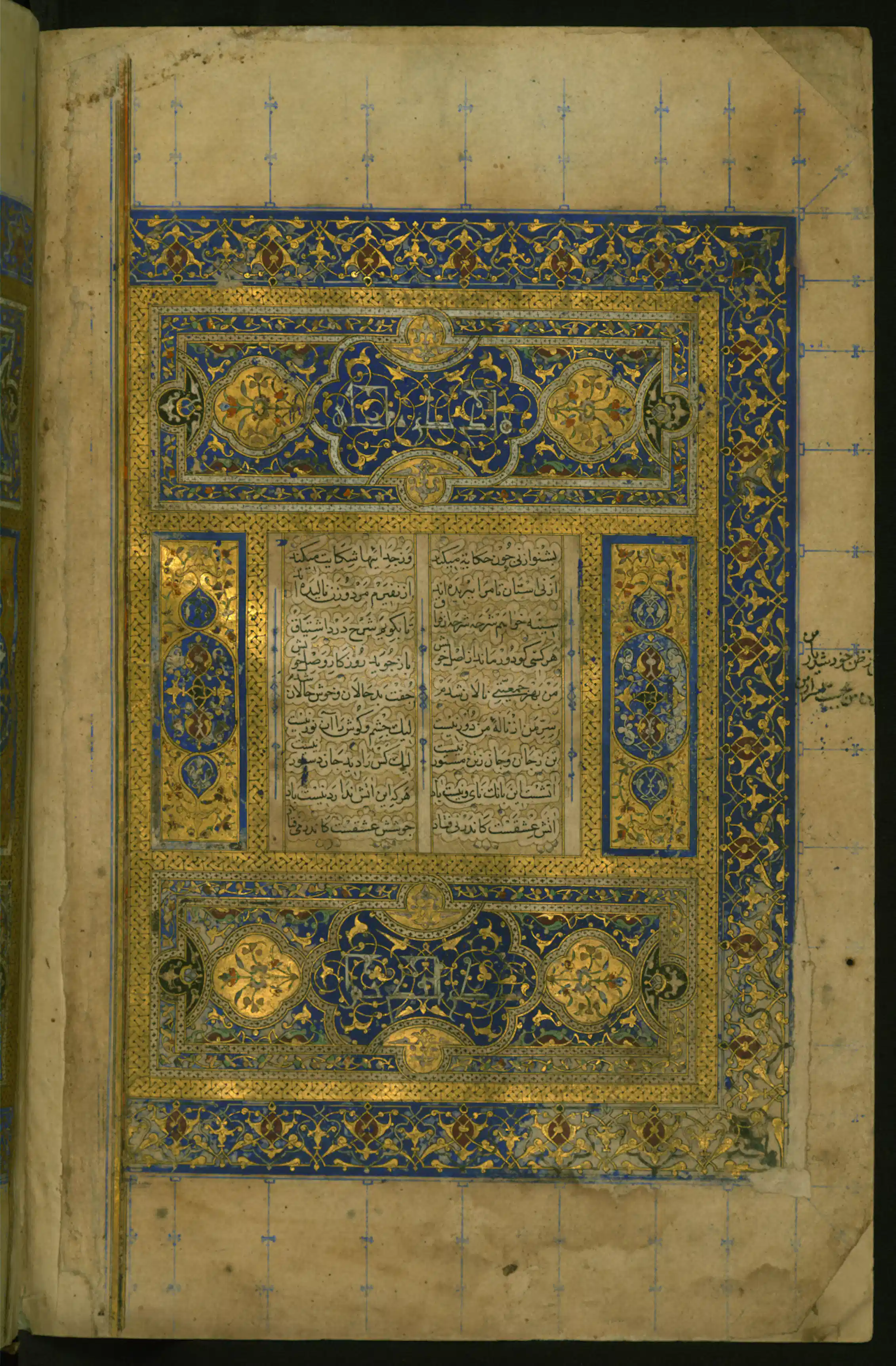
A 'masnavi' is a Persian poetic form with rhyming couplets that can run indefinitely, used by Sufi poets for spiritual epics.
Rumi's Masnavi
Rumi's 'Masnavi-ye Ma'navi' contains 25,000 couplets across six books, opening with a reed flute lamenting separation from its bed.
Rumi's religious context
Rumi described his Masnavi as 'the roots of the roots of the roots of religion' and 'the explainer of the Quran'.
Translation issues
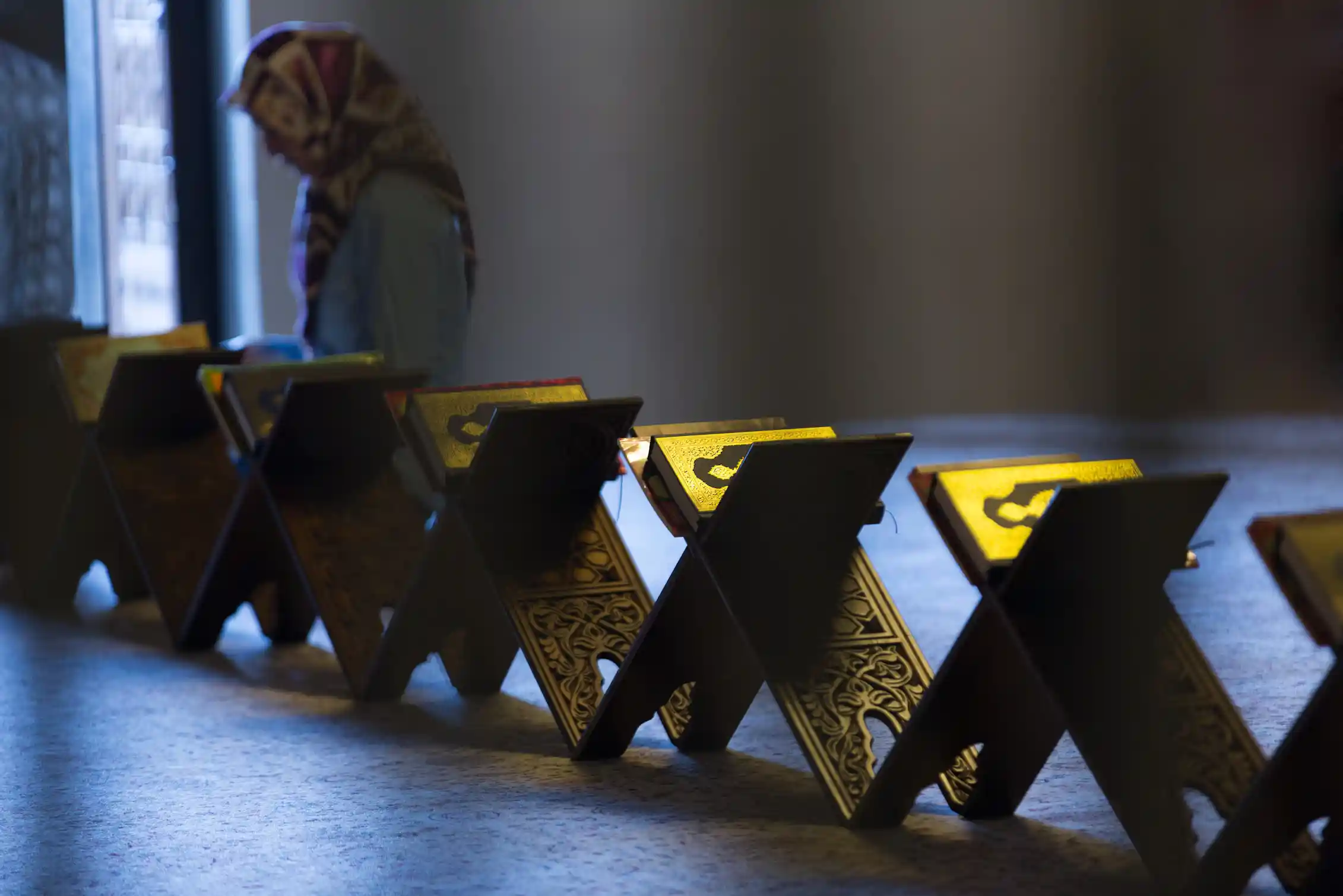
Popular English translations by Coleman Barks soften references to Quran, Prophet Muhammad, and Muslim rituals, replacing 'God' with 'the Beloved'.
Key translation example
Barks' line 'There are hundreds of ways to kneel and kiss the ground' omits Muslim ritual prayer terms 'ruku' and 'sujud'.
Cultural erasure
Scholars call this 'spiritual colonialism', Western readers embrace Rumi's poetry while erasing its Islamic roots and communities.
Why it matters
For millions of Americans, Rumi's translation shapes how they understand Muslim traditions and the poet's religious context.
What's next
Newer translations like Jawid Mojaddedi's six-volume edition aim to preserve both the Masnavi's form and Islamic framework.
Here's the gist
American translations of Rumi's poetry strip its Islamic roots, reducing spiritual depth to universal advice.
Read the TL;DR — this story on one card.