From The Conversation · Alexis R. Santos · · 3m
South Korea got old fast. Here's what broke
South Korea aged into a super-aged society in 24 years, and the rest of the world gets to watch what happens next.
In brief
South Korea aged into a super-aged society in 24 years, and the rest of the world gets to watch what happens next. Aging itself isn't the crisis. The crisis is aging faster than your pensions, care systems and workplaces can adapt, so act while you still have slack. Originally reported by The Conversation.
One in five, then more

In December 2024, South Koreans aged 65 and over passed 20% of the population for the first time. By August 2026 it was 22.1%.
Old is not broken
An older population partly reflects good news: fewer early deaths, longer lives, safer conditions. Aging is a sign of a society that matured, not one that failed.
“population aging is not inherently a problem”
Speed is the problem
South Korea went from 7% over-64s to super-aged in about 24 years. Japan took 35. The question is never just how old a country is, but how little time it had to prepare.
Oldest country on Earth
By 2060, roughly 41% of South Koreans are projected to be 65 or older. Pensions, hospitals, workplaces and caregiving all get squeezed at once.
The bulge moved up
In the 1990s the biggest age groups were 15 to 34. Those same people are now 45-plus, and the oldest have hit the retirement age of 60. The under-30 share keeps shrinking.
Fewer babies, later
As people gained more say over how they live, fertility fell and stayed low, marriage and parenthood came later, and family shapes diversified. South Korea now has one of the world's lowest fertility rates.
The fund runs dry
The National Pension Service is projected to be depleted by 2054. Many older adults paid in patchily and collect only modest benefits, and those born before 1950 are poorest of all.
Worst poverty in the OECD
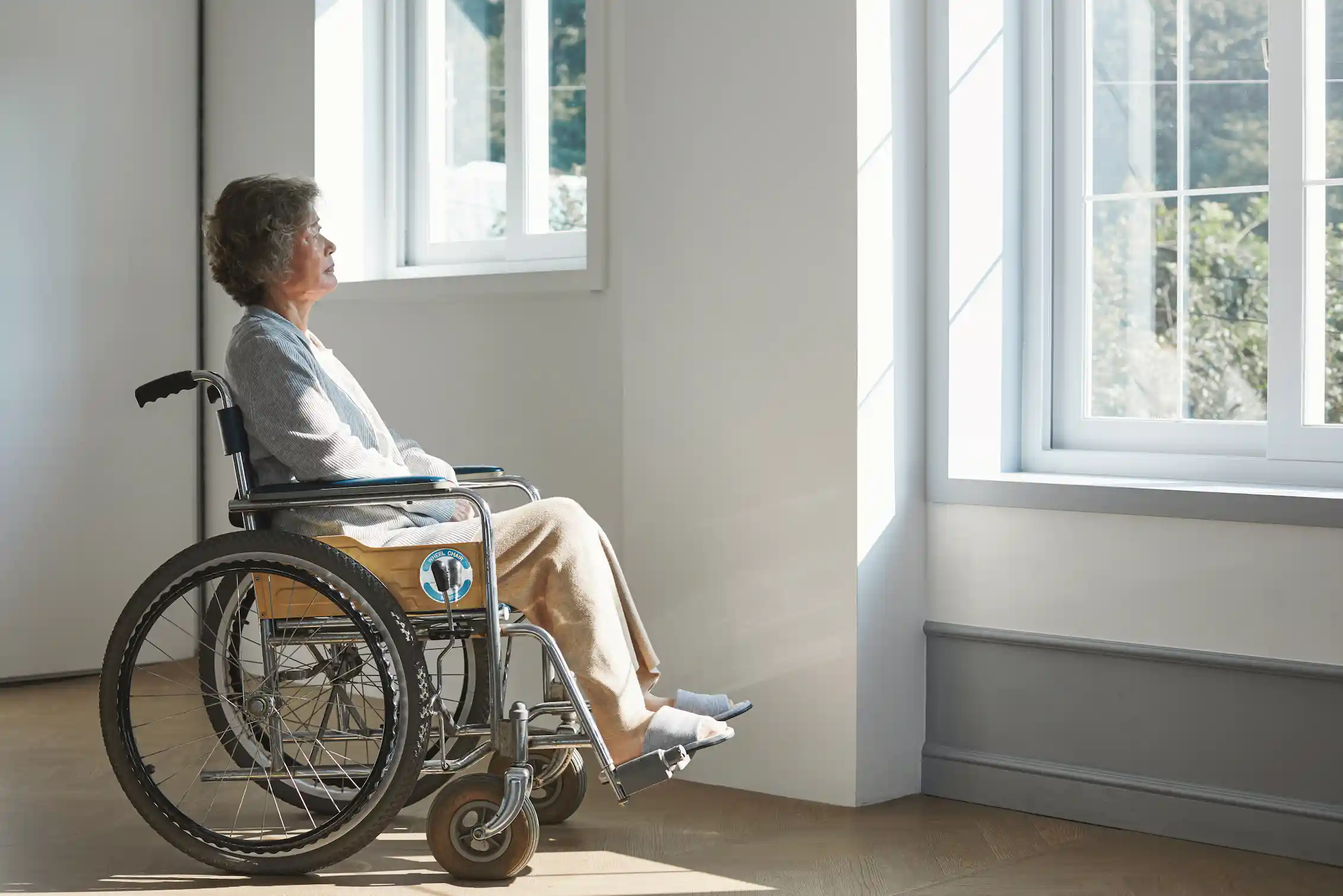
Among the 38 OECD countries, South Korea has the highest old-age poverty rate. Nearly 40% of people 66 and over live on less than half the national median income.
“39.7% of people ages 66 and older live on less than half the national median household disposable income, compared with the OECD average of 14.8%”
Asset rich, cash poor
More than 80% of older adults' assets sit in real estate and only 12.4% in savings. Many now pair the Basic Pension with reverse mortgages just to free up spending money.
Working until 72

South Koreans exit the workforce later than anyone else in the OECD. Men leave their main job around 51 but keep working to about 72, usually in lower-paid, less secure second careers.
Retirement age tug of war
Raising the statutory retirement age from 60 to 65 would close the gap before pensions start. It could also block younger workers from moving up. A 2025 reform lifts contributions from 9% to 13% by 2033.
Care insurance, with holes
Long-term care insurance has covered home care, nursing and dementia support since 2008, and demand is climbing fast. Families still shoulder a lot, carers are mostly older women in precarious jobs, and rural areas go underserved.
Alone is the real risk
South Korea has the OECD's highest suicide rate, worst among over-65s. Among those 85 and older, 12.9% say they have no one to turn to in a crisis. Visits and phone calls help, but they don't replace income, transport or housing.
The headline
Aging itself isn't the crisis. The crisis is aging faster than your pensions, care systems and workplaces can adapt, so act while you still have slack.