From The Conversation · Christopher A. Cooper · · 1m 30s
Voting Rights Timeline
U.S. voting rights history shows 10 key moments of progress and setbacks.
In brief
U.S. voting rights history shows 10 key moments of progress and setbacks. The U.S. has seen 10 pivotal voting rights moments that include both gains and setbacks in the fight for equal participation. Originally reported by The Conversation.
15th Amendment
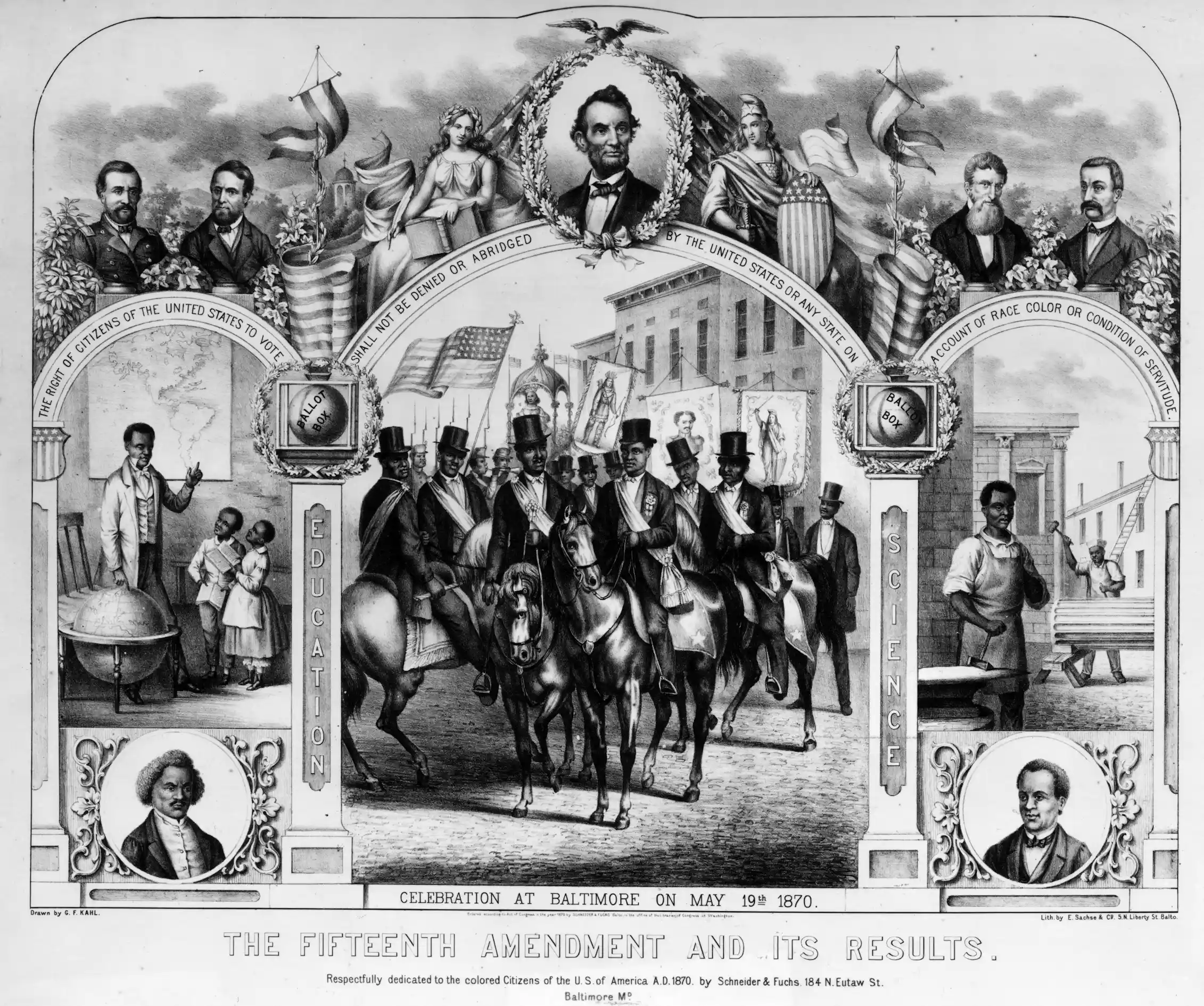
The 15th Amendment, passed by Congress in 1869, prohibited denying voting rights based on race, color, or previous servitude.
“the right of citizens of the united states to vote shall not be denied or abridged by the united states or by any state on account of race, color, or previous condition of servitude”
17th Amendment
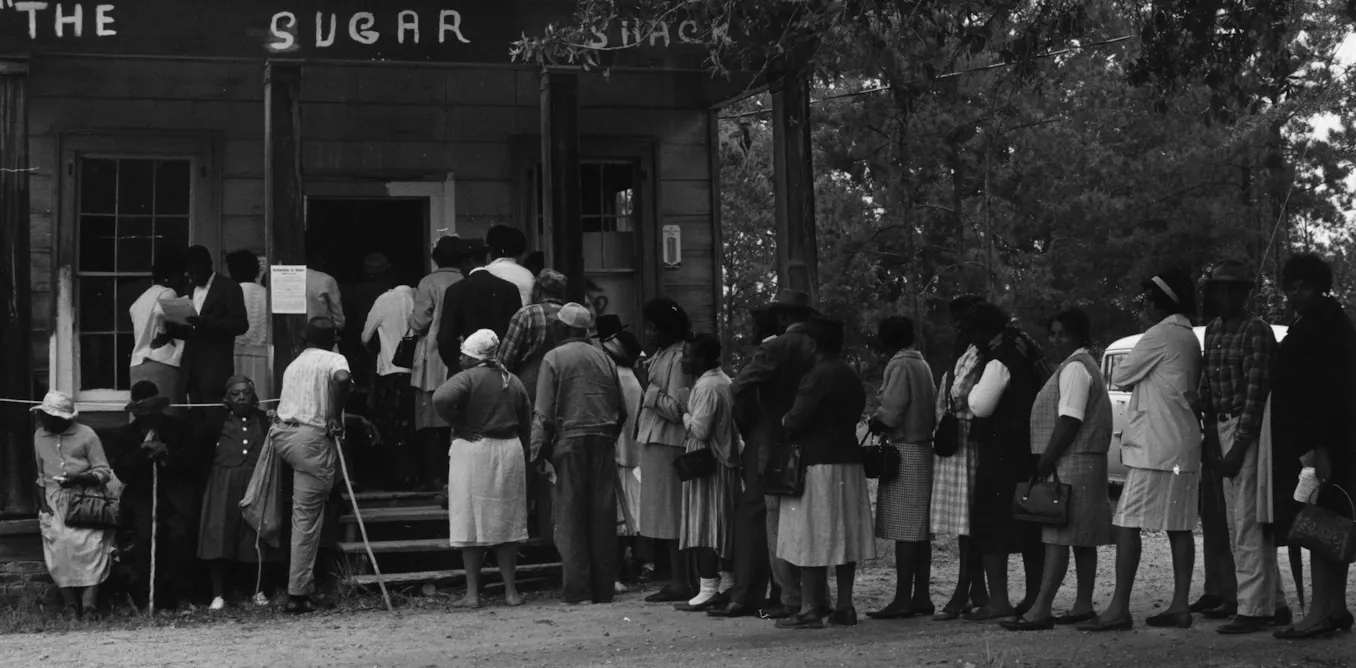
The 17th Amendment, ratified in 1913, shifted senator selection from state legislatures to direct popular election.
“the 17th amendment was ratified in 1913, transferring the selection of senators from state legislatures to direct election by the people”
19th Amendment
The 19th Amendment, ratified in 1920, granted women the right to vote after decades of suffrage activism.
“the 19th amendment was ratified in 1920, granting women the right to vote after decades of suffrage activism”
Voting Rights Act
The Voting Rights Act of 1965 reduced voting barriers and required preclearance for discriminatory changes in southern states.
“the voting rights act of 1965 dramatically reduced barriers to voting and created a process under which localities with a history of discrimination were required to obtain federal approval”
McGovern-Fraser Commission
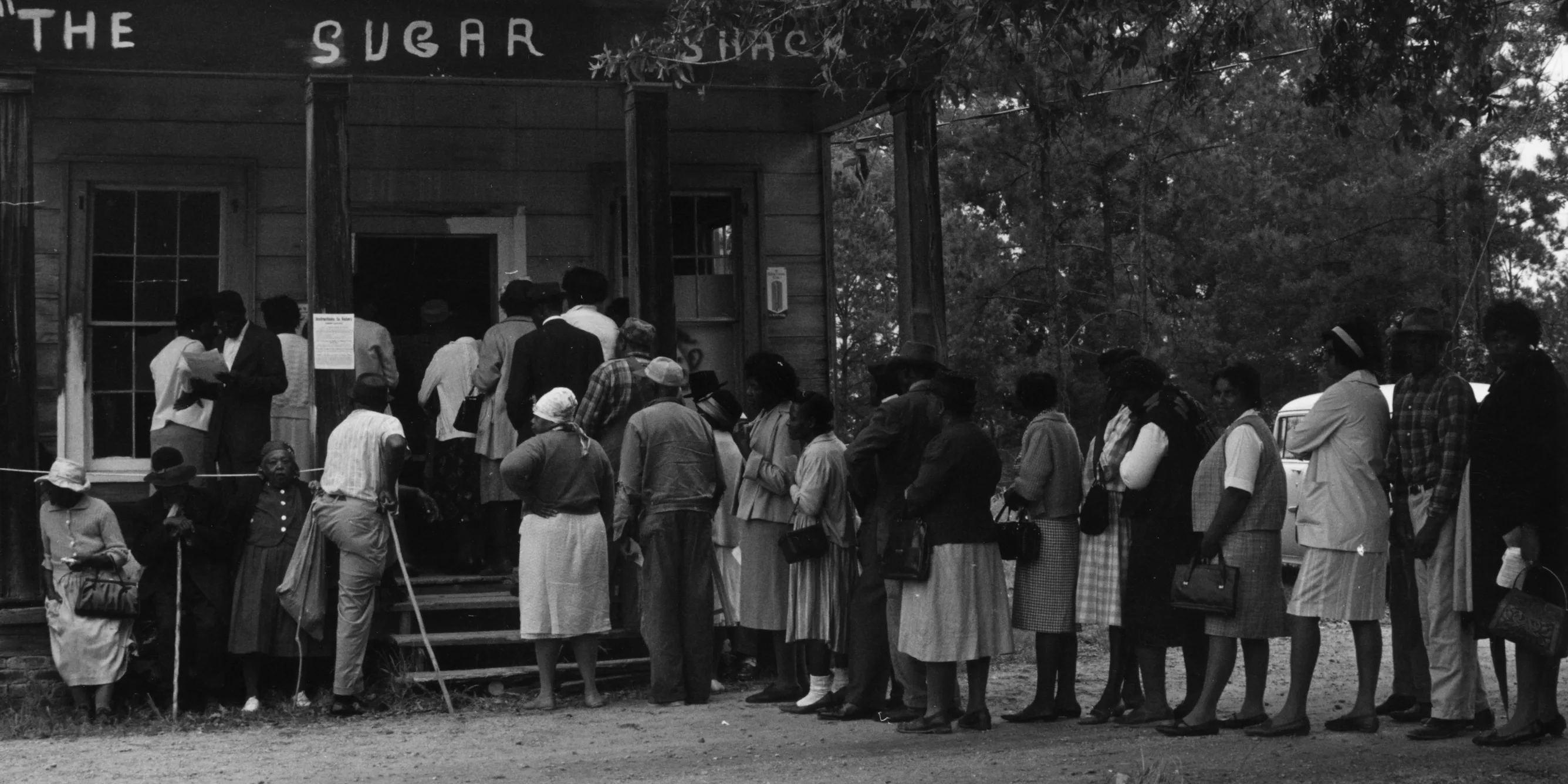
The McGovern-Fraser Commission reformed delegate selection after the 1968 Democratic National Convention turmoil.
“the mcgovern-fraser commission proposed new procedures for selecting delegates to the national convention, opening the process to greater public participation”
26th Amendment
The 26th Amendment, ratified in 1971, lowered the voting age from 21 to 18 for military draft-age citizens.
“the 26th amendment, ratified in july 1971, lowered the voting age from 21 to 18”
National Voter Registration Act
The National Voter Registration Act of 1993 required driver’s license offices to assist voter registration and standardize databases.
“the national voter registration act of 1993 marked an important step in moving elections toward greater standardization by requiring state driver’s license offices to provide a way for people to register to vote”
Bush v. Gore
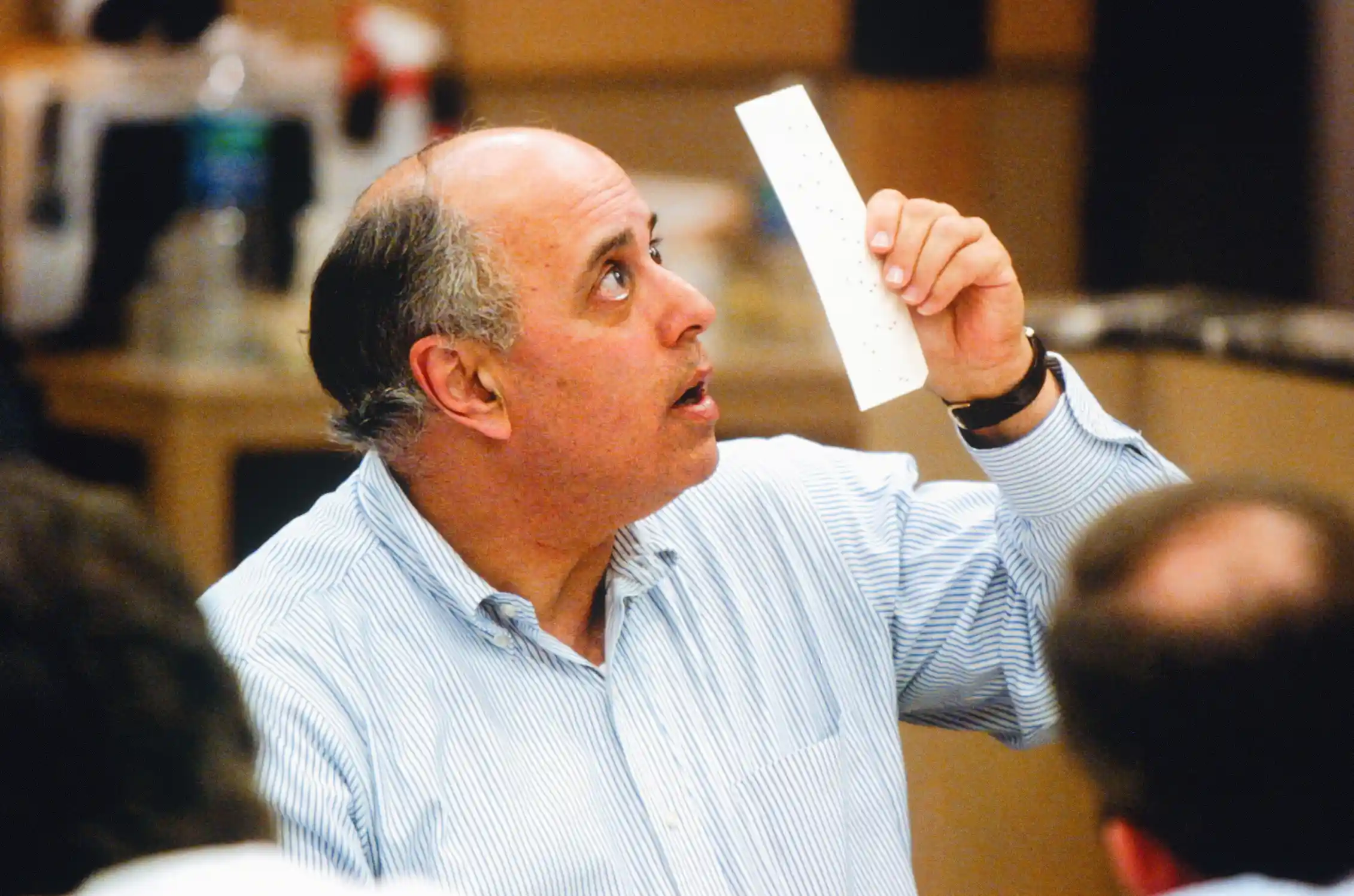
In the 2000 Florida recount, the Supreme Court halted the hand count, leaving George W. Bush ahead of Al Gore.
“in the legal case bush v gore, the u.s. supreme court stopped the recount, leaving republican george w. bush ahead of democrat al gore in florida”
Shelby County v. Holder
The 2013 Shelby County decision gutted the Voting Rights Act’s preclearance process, enabling discriminatory voting policies.
“in this 2013 case, the u.s. supreme court ruled that the formula used to determine which localities were required to have their voting policies reviewed and approved by the department of justice no longer reflected current conditions and therefore was unconstitutional”
Louisiana v. Callais
In late April 2026, the Supreme Court ruled Louisiana’s map created a majority-black voting district, violating the Voting Rights Act.
“in late april 2026, the u.s. supreme court issued a 6-3 ruling that a louisiana congressional map devised to create a majority black voting district was an unconstitutional racial gerrymander”
The main idea
The U.S. has seen 10 pivotal voting rights moments that include both gains and setbacks in the fight for equal participation.