From The Conversation · Mark Louie Ramos · · 2m
What 'control' really means in science
The word 'control' means something different depending on whether a study is experimental or observational, and understanding the difference helps you judge research claims.
In brief
The word 'control' means something different depending on whether a study is experimental or observational, and understanding the difference helps you judge research claims. When you read that a study 'controlled for' something, ask whether researchers randomly assigned treatments (experimental) or statistically…
Quick answers
- What does 'control' mean?
- News reports often say studies 'controlled' for variables to sound more credible. But the word means different things depending on how the study was designed.
- What is the key takeaway from What 'control' really means in science?
- When you read that a study 'controlled for' something, ask whether researchers randomly assigned treatments (experimental) or statistically adjusted for existing data (observational), because each approach has different strengths and weaknesses.
What does 'control' mean?
News reports often say studies 'controlled' for variables to sound more credible. But the word means different things depending on how the study was designed.
Two types of studies

Experimental studies have researchers directly assign treatments to some people and not others. Observational studies examine existing data to find patterns without assigning anything.
Control in experiments
In an experimental study, the control group is simply the people who did not receive the drug or treatment. Researchers directly influence who gets what.
Control in observational studies
Researchers compare outcomes within groups that share the same age, sex, or smoking status to isolate whether a treatment caused the effect or if another factor did.
The smoking confound problem

If smokers are more likely to take GLP-1 drugs and smoking itself causes bone injuries, failing to control for smoking makes the drug look dangerous when smoking is the real culprit.
Randomization prevents bias
In experiments, scientists randomly decide who gets treatment and who gets a placebo. This prevents accidentally putting sicker people in one group or another.
Stratification adds precision
Researchers can randomize within subgroups, like ensuring both treatment and placebo groups have people with high and low blood sugar levels, making results more precise.
When observational studies fail
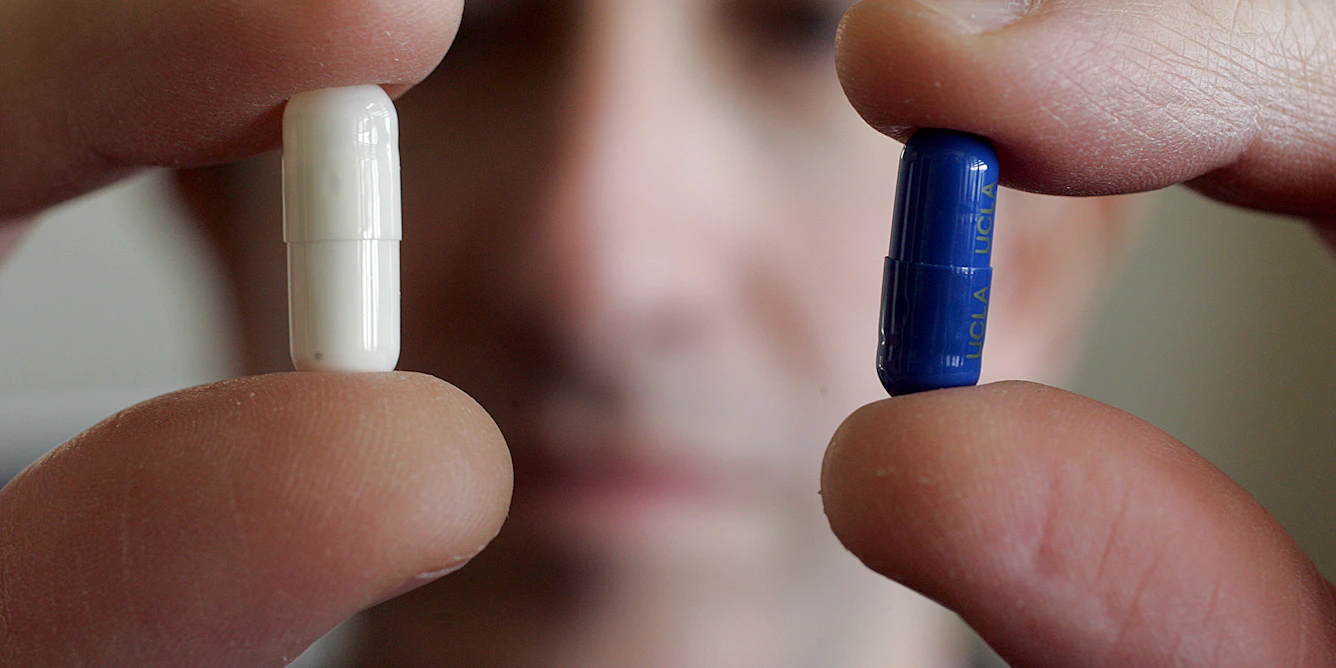
An observational study might show a supplement improves health while ignoring that healthier people were already more likely to buy it. Randomized experiments later prove the supplement does nothing.
Too much control backfires
Controlling for too many variables can actually make statistical estimates less precise and may distort results if you control for the wrong factors.
How to judge a study
When you read about a new finding, ask whether it was experimental or observational and what variables researchers controlled for. This tells you how confident you should be in the conclusion.
The headline
When you read that a study 'controlled for' something, ask whether researchers randomly assigned treatments (experimental) or statistically adjusted for existing data (observational), because each approach has different strengths and weaknesses.