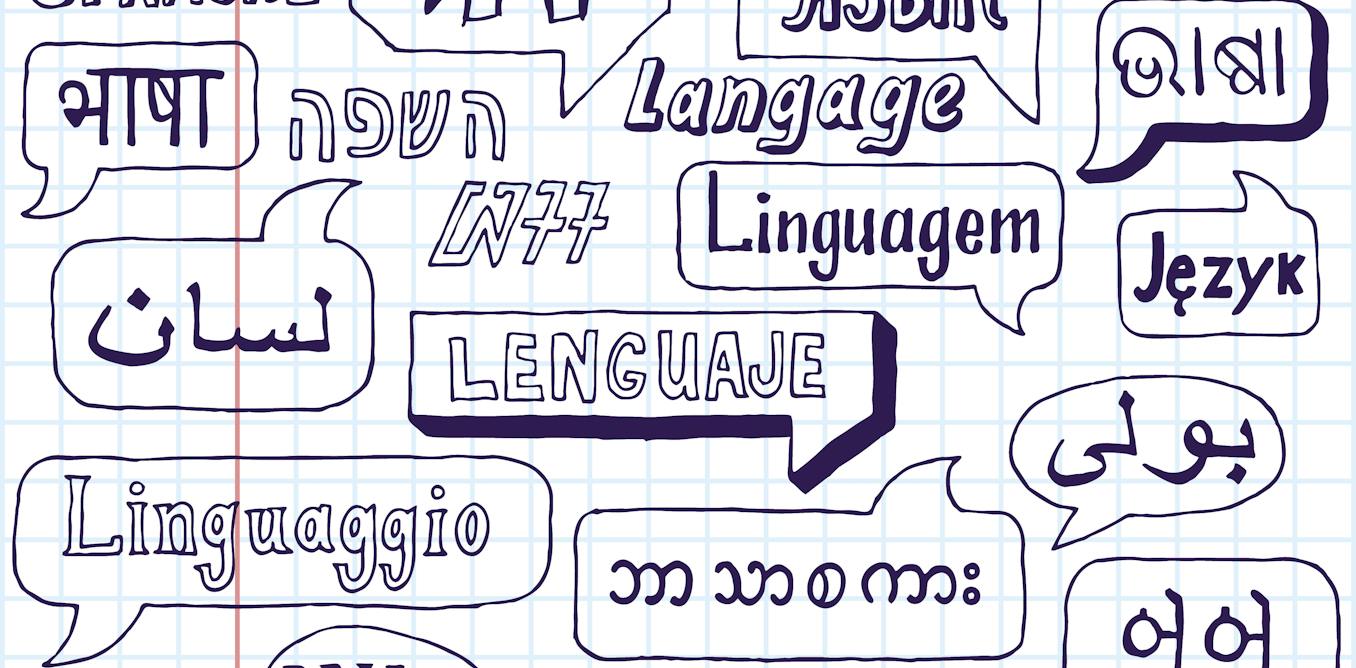
From The Conversation · Karen Stollznow · · 1m 20s
What Makes a Real Polyglot?
How many languages do you truly know?
In brief
How many languages do you truly know? True polyglotism requires fluency, not just claiming proficiency in many languages. Originally reported by The Conversation.
Quick answers
- What is a polyglot?
- The word polyglot comes from the Greek word polyglōttos, meaning 'many-tongued.'
- How many languages?
- Roughly half the world speaks more than one language, but claiming proficiency in five or more is very different.
- What is the key takeaway from What Makes a Real Polyglot??
- True polyglotism requires fluency, not just claiming proficiency in many languages.
What is a polyglot?
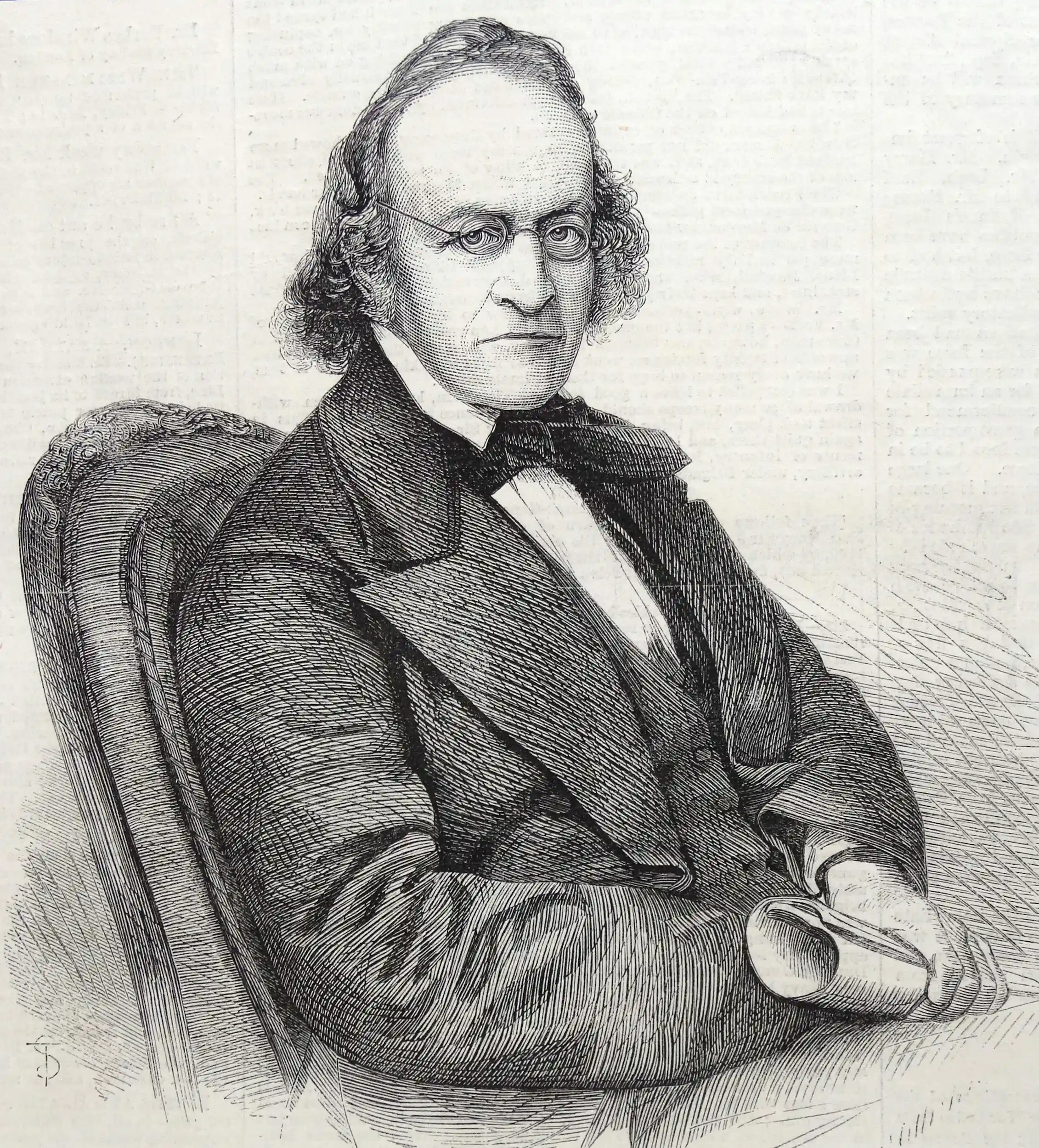
The word polyglot comes from the Greek word polyglōttos, meaning 'many-tongued.'
“polyglōttos”
How many languages?
Roughly half the world speaks more than one language, but claiming proficiency in five or more is very different.
Historical polyglots
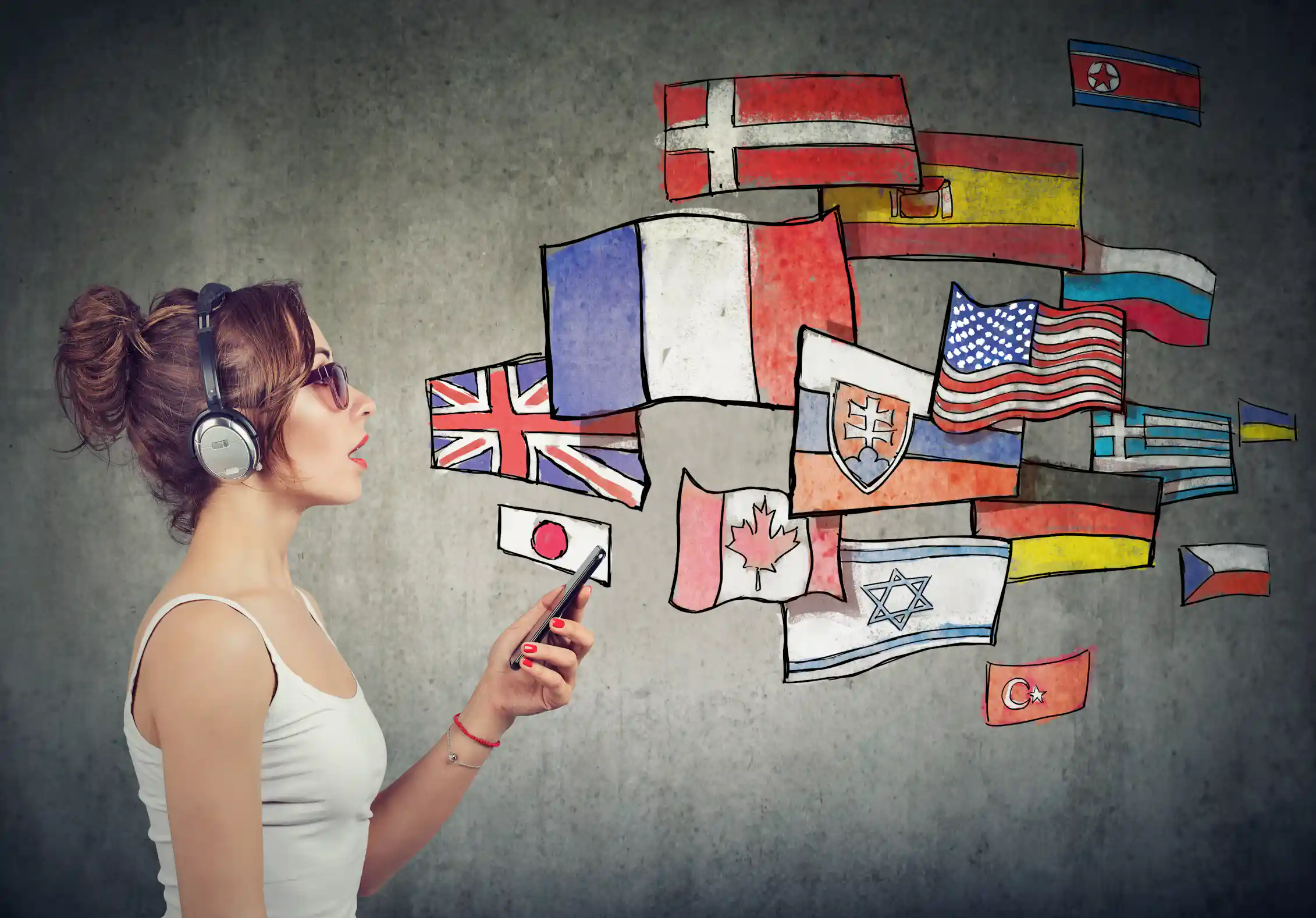
Ziad Youssef Fazah claimed to speak 59 languages, but struggled in a 1997 Chilean TV test.
Cardinal Mezzofanti
Cardinal Giuseppe Mezzofanti, born in 1774, was reportedly proficient in 38 languages.
Al-Farabi
The 10th-century philosopher Al-Farabi was said to know 70 languages.
Hans Conon von der Gabelentz
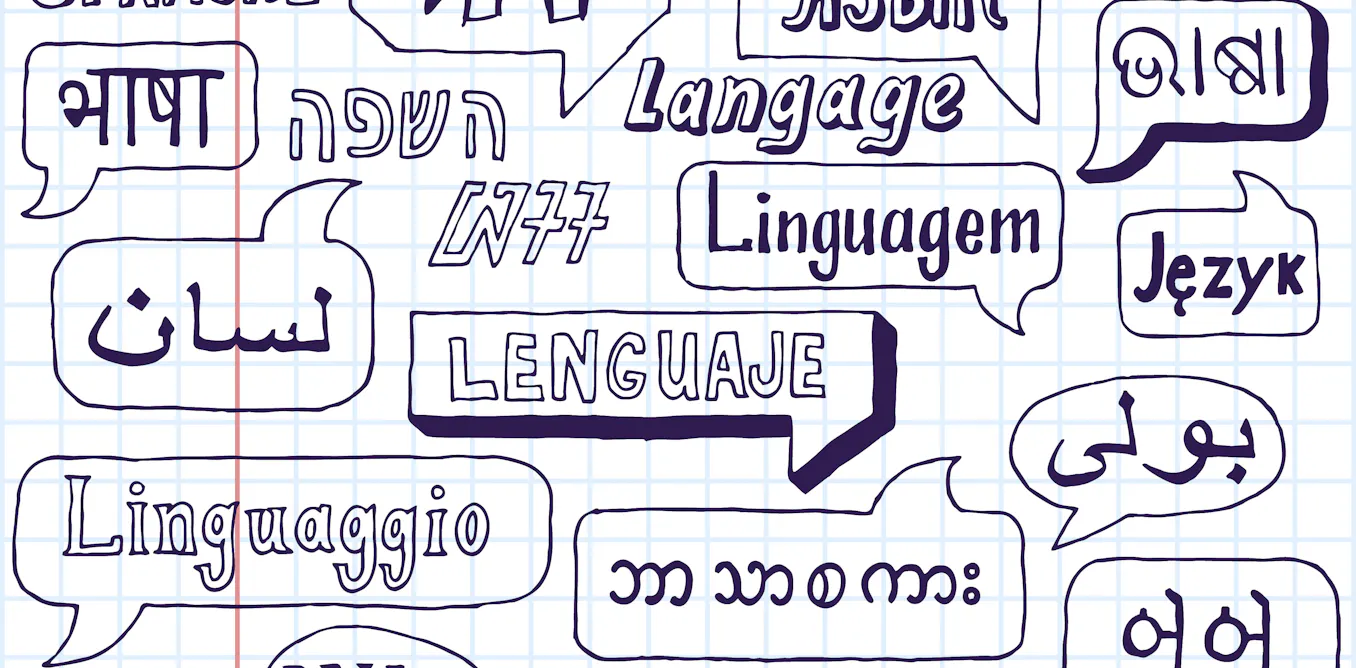
The 19th-century linguist Hans Conon von der Gabelentz was believed to know 80 languages.
Sir John Bowring
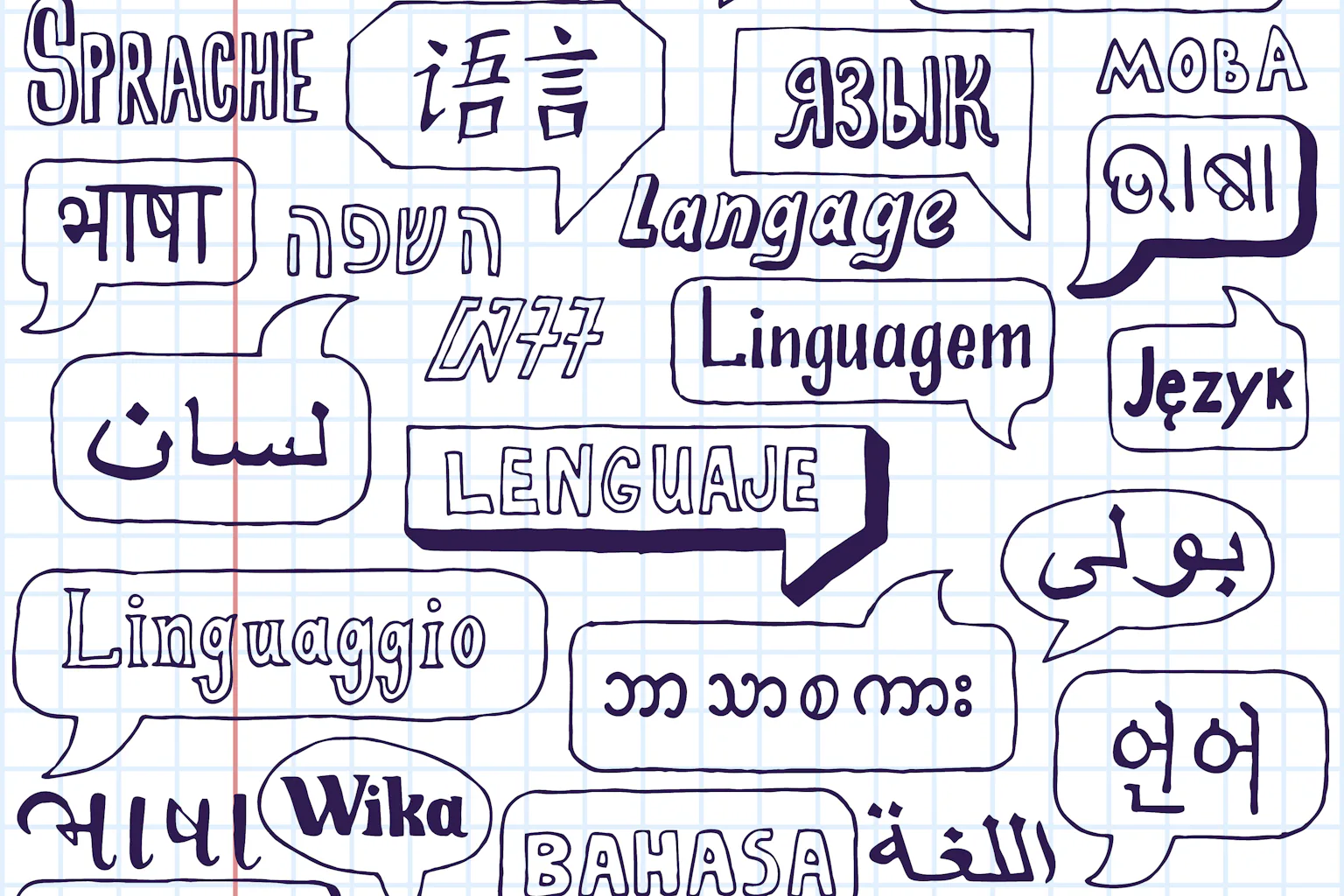
Sir John Bowring, a British diplomat, may have known as many as 200 languages.
Fluency vs. proficiency
Fluency in a language is a spectrum, ranging from basic conversation to sophisticated command.
Christopher Taylor
Christopher Taylor, a British savant, spoke 15 to 20 languages including Danish and Spanish.
Taylor's case
Taylor demonstrated self-directed learning in 15 to 20 languages, but proficiency varied across languages.
At a glance
True polyglotism requires fluency, not just claiming proficiency in many languages.
Read the TL;DR — this story on one card.