From The Conversation · Carolyn Gallaher · · 3m
Why Irish reunification is way more complex than Trump thinks
Trump's surprise support for Irish unity ignores decades of unresolved political, economic and security challenges that make it far from inevitable.
In brief
Trump's surprise support for Irish unity ignores decades of unresolved political, economic and security challenges that make it far from inevitable. Irish reunification requires resolving fundamental questions about government structure, Unionist integration, paramilitary threats, and a €8-20 billion annual funding…
Quick answers
- How do you know when to hold a referendum?
- The agreement says only a British Cabinet official can call a referendum if it seems likely a majority wants reunification. But it never explains whether to use polling, religious demographics, or election results to determine that majority.
- What government would a united Ireland have?
- Northern Ireland has a power-sharing parliament designed to prevent either Unionists or Nationalists from dominating. A unified Ireland would need to decide whether to keep both parliaments or create an entirely new system.
- What is the key takeaway from Why Irish reunification is way more complex than Trump thinks?
- Irish reunification requires resolving fundamental questions about government structure, Unionist integration, paramilitary threats, and a €8-20 billion annual funding gap before any referendum can happen.
Trump breaks with US policy on Ireland
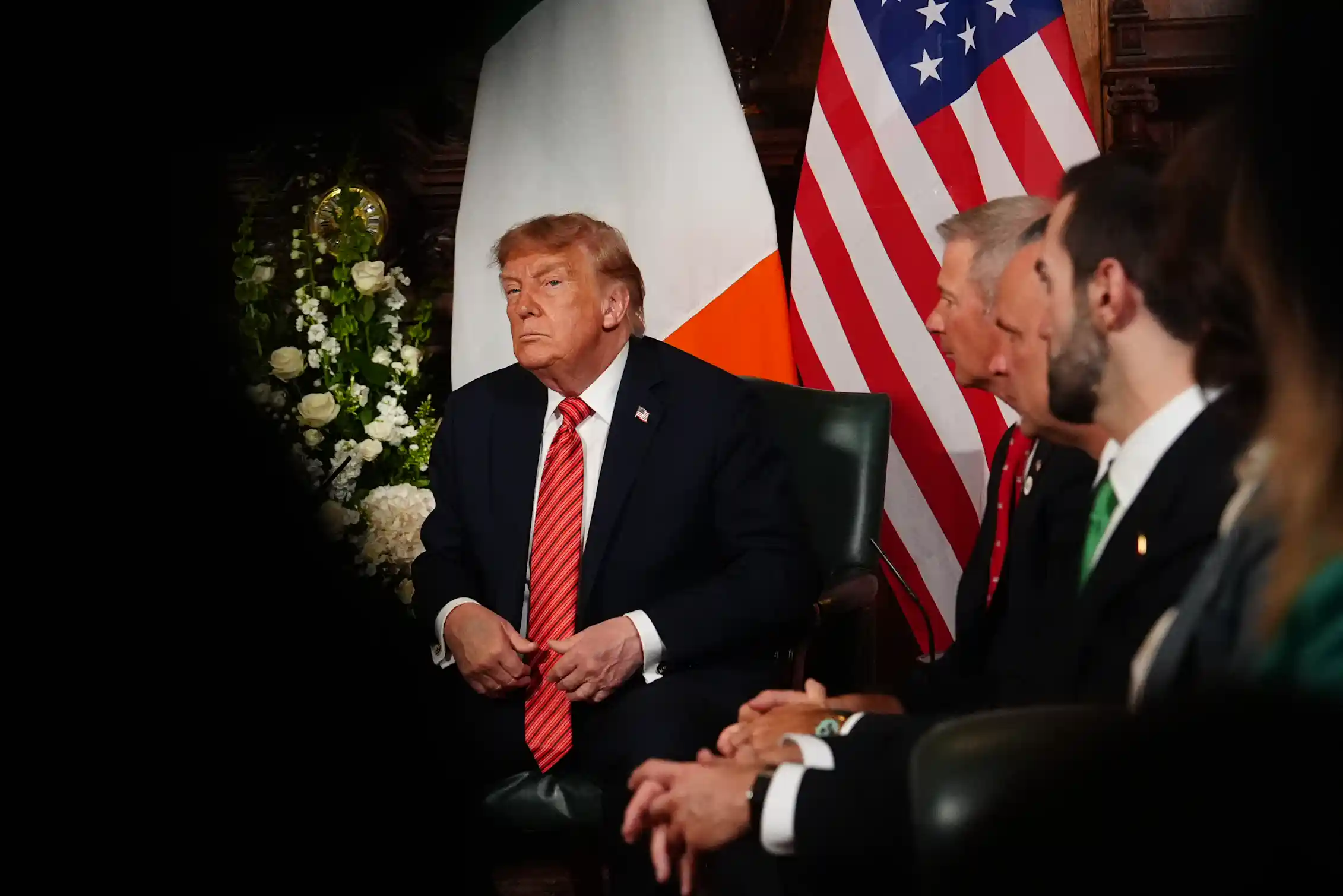
President Trump recently declared support for Irish reunification, a stark departure from traditional American neutrality on the issue. His comments sparked immediate backlash from UK leaders and even Ireland's own prime minister.
The Troubles left deep scars
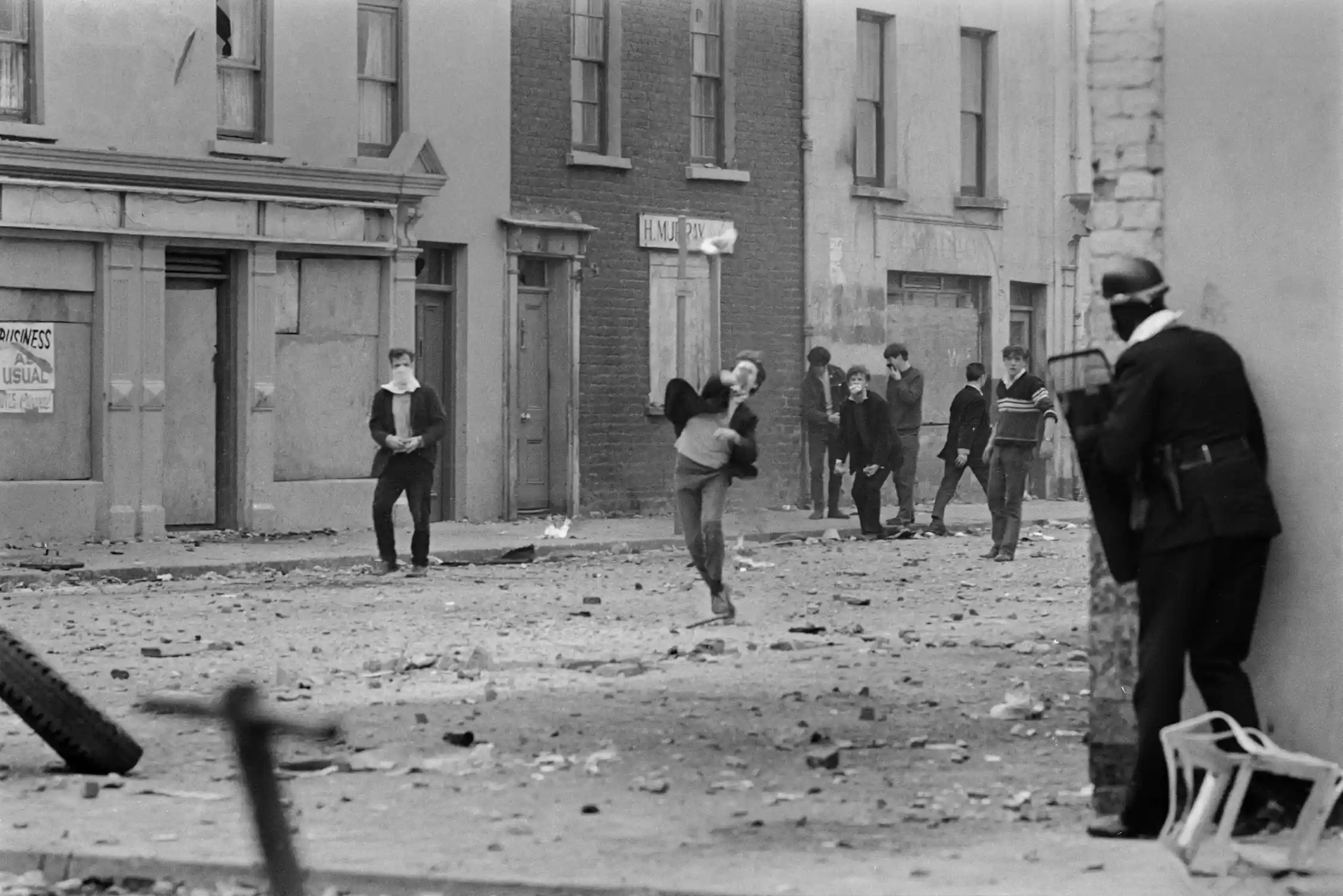
Northern Ireland's 30-year conflict killed around 3,700 people and traumatized thousands more. It stemmed from systematic discrimination against Catholics by the Protestant-dominated government after partition in 1921.
The Good Friday Agreement created a path
The 1998 agreement ended the armed conflict and established that Northern Ireland would remain in the UK until a majority votes otherwise. But it left crucial details about how to measure that majority completely undefined.
How do you know when to hold a referendum?
The agreement says only a British Cabinet official can call a referendum if it seems likely a majority wants reunification. But it never explains whether to use polling, religious demographics, or election results to determine that majority.
Some boxes are being checked
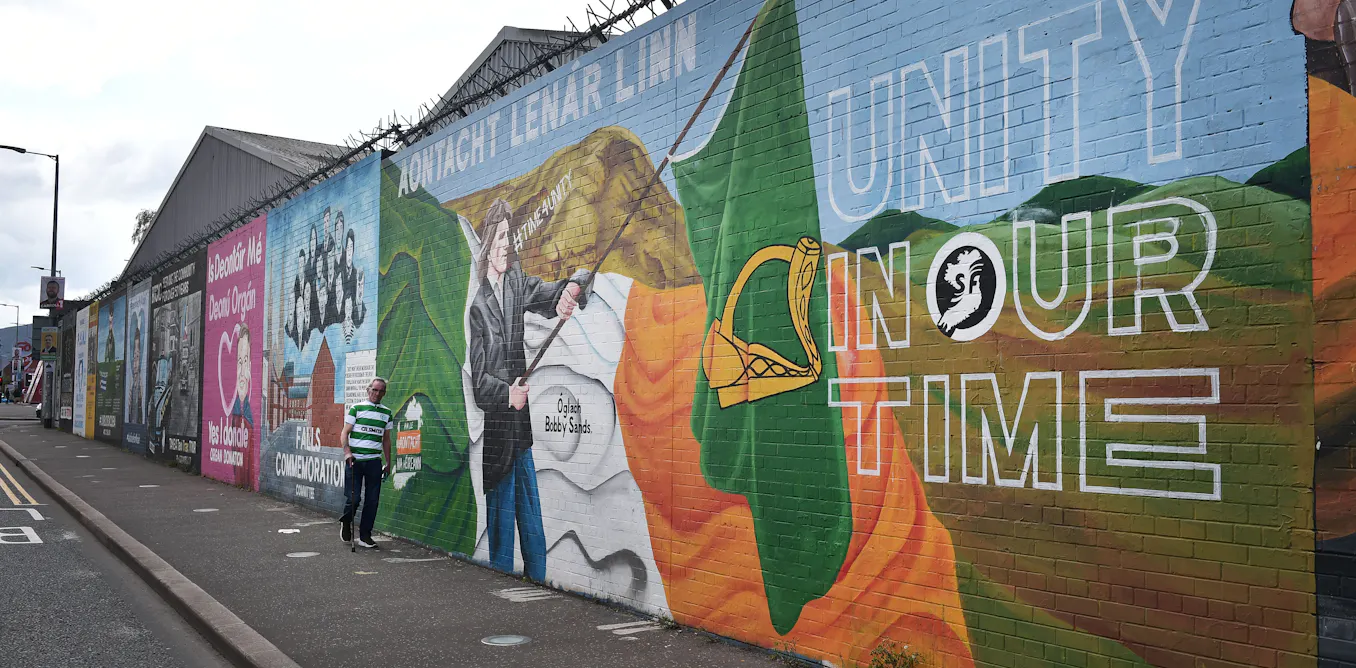
Nationalist parties now dominate Northern Ireland's Westminster delegation, Unionists lost their Assembly majority, and Catholics outnumber Protestants for the first time since partition. Yet polls still don't show consistent majority support for reunification.
Many people fear the practical costs
Not all Catholics want to leave the UK. Many worry about losing access to British healthcare and pensions, and concerns about economic stability remain significant barriers to public support.
What government would a united Ireland have?
Northern Ireland has a power-sharing parliament designed to prevent either Unionists or Nationalists from dominating. A unified Ireland would need to decide whether to keep both parliaments or create an entirely new system.
Unionists would need real power
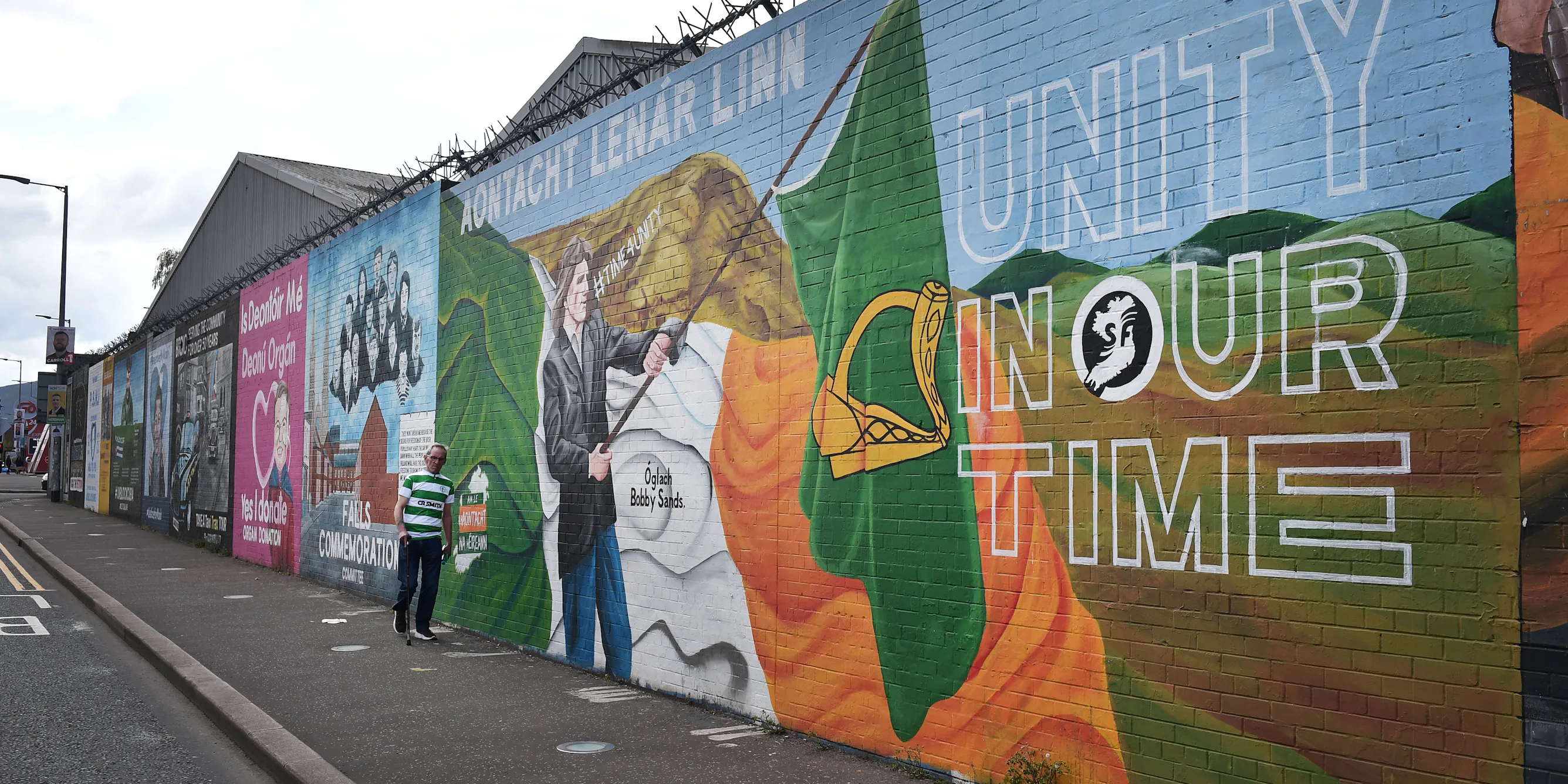
Unionists largely oppose reunification and would need meaningful representation to accept it. This could force major changes to Irish symbols, institutions, and political structures to reflect a new, shared identity.
Loyalist paramilitaries remain a threat
Armed groups that fought to keep Northern Ireland in the UK never fully disarmed after the peace agreement. They maintain arsenals, recruit members, and have escalated attacks on immigrants and engaged in organized crime.
The funding gap is enormous
Northern Ireland received about 21.5 billion US dollars more in government spending than it paid in taxes in 2025. Covering this gap in a unified Ireland could cost 8 to 20 billion euros annually for 20 years.
Brexit shows the dangers of rushing
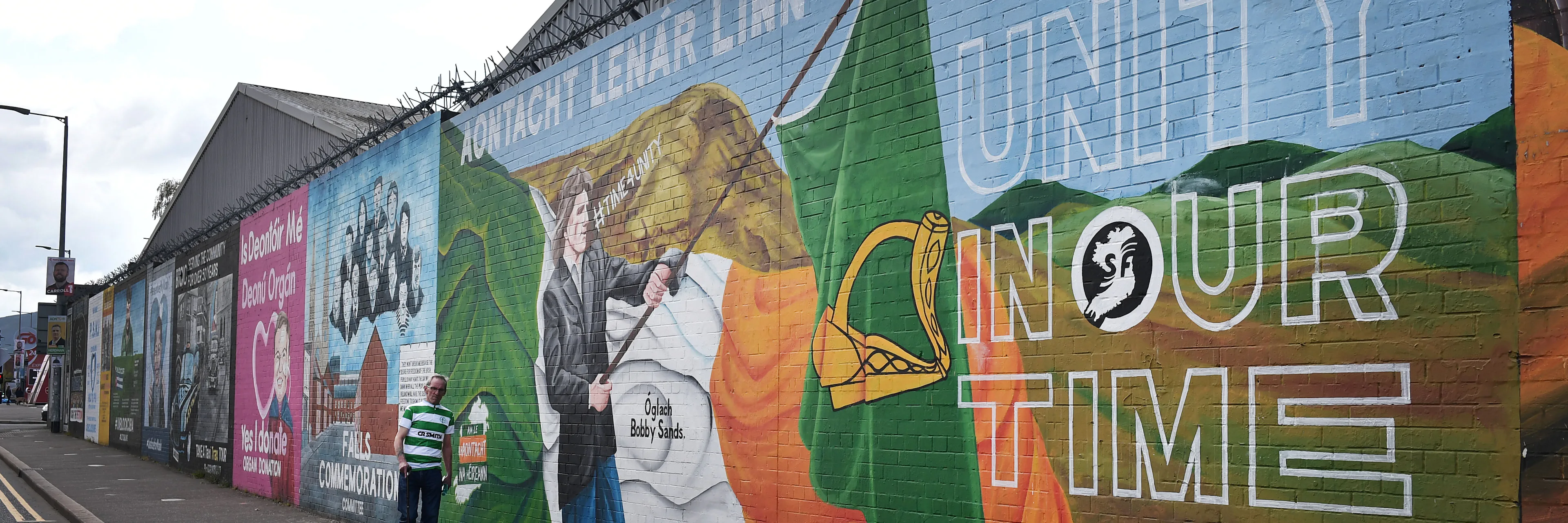
Political leaders involved in Irish peace efforts point to Brexit as a cautionary tale. Many voters didn't understand what they were voting for, and the consequences continue to disrupt UK politics a decade later.
Irish Americans are now politically divided
Most Irish Americans support reunification, but they disagree on the US role. Some want quiet diplomatic support like during peace talks, while others actively push for unification through groups like Friends of Sinn Fein.
Trump's support could reshape the debate
Irish American MAGA supporters now have a powerful ally in Trump, breaking from the Democratic party's traditional Irish American base. Whether this shifts broader Irish American politics remains unclear.
What it means
Irish reunification requires resolving fundamental questions about government structure, Unionist integration, paramilitary threats, and a €8-20 billion annual funding gap before any referendum can happen.