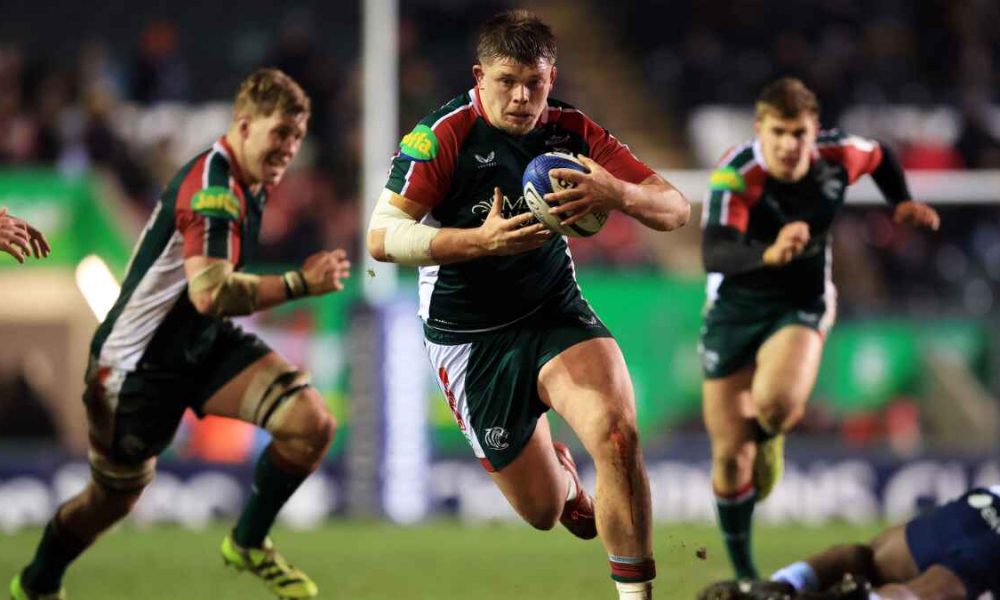
From The Rugby Paper · The Rugby Paper Team · · 2m
From Grassroots to the Professional Game
How to build a rugby career from local clubs to professional contracts.
In brief
How to build a rugby career from local clubs to professional contracts. Aspiring rugby players must develop technical skills, understand positional demands, and build relationships with coaches to progress to professional levels. Originally reported by The Rugby Paper.
Foundations of Rugby
Aspiring players must develop technical skills, understand positional demands, and build relationships with coaches to progress to professional levels.
Choosing the Right Position
Rugby union has fifteen players per side, each with different responsibilities: props and hookers need strong body positioning, locks require physical power, and back-row forwards benefit from tackling ability.
Club Training and Development
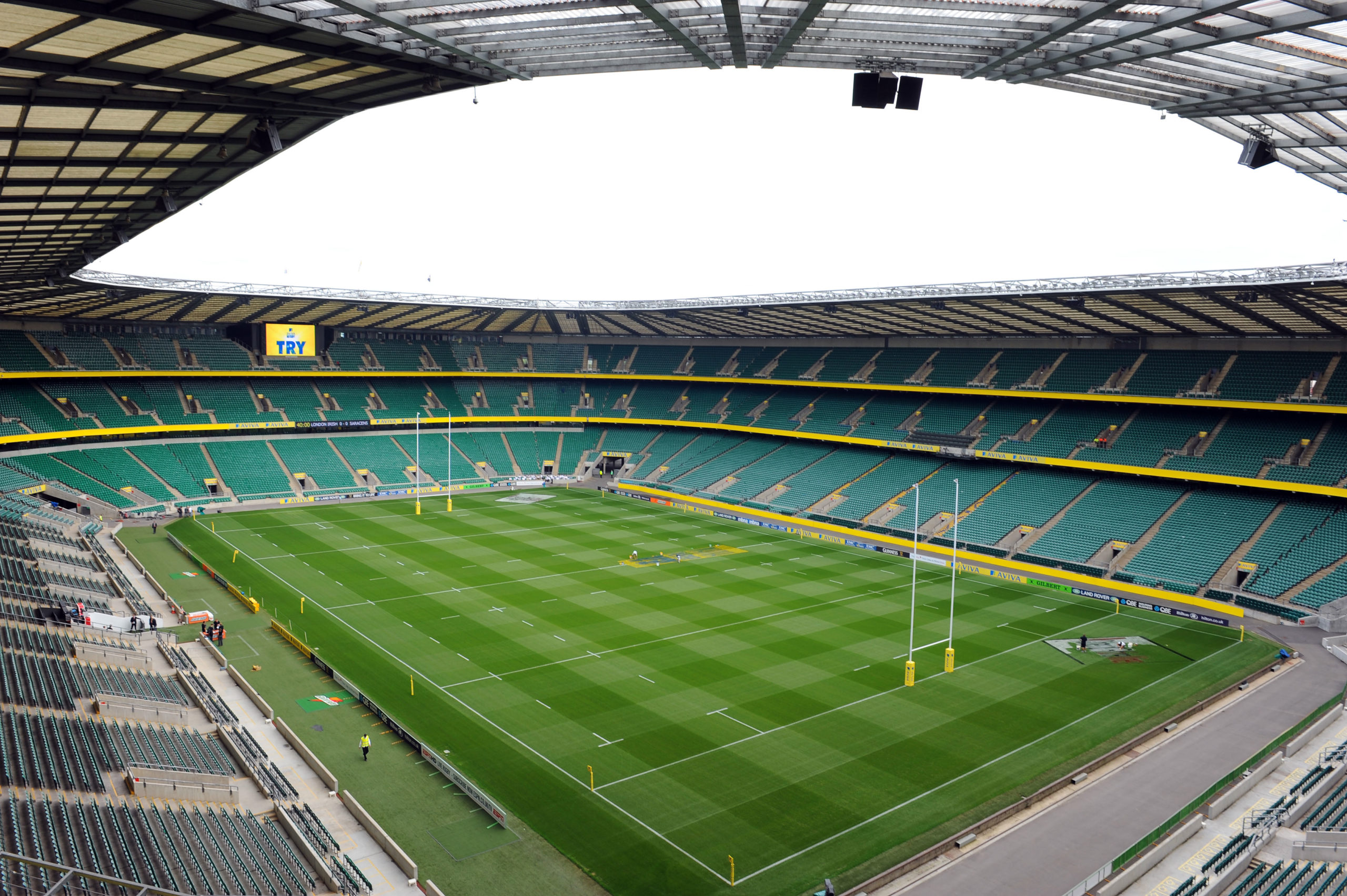
Joining a recognised local club provides structured coaching, match preparation, positional responsibilities, and discipline required for team competition.
Physical Preparation
Strength training improves force generation and stability during contact, while sprint training enhances acceleration and top-end speed.
Technical Consistency
Players must consistently execute fundamental skills, communicate clearly, and respond positively to feedback to progress in professional rugby.
Academy Pathways

Academies provide specialist coaching, performance support, and structured environments for selected players to develop their skills.
Visibility and Performance
Compete consistently, seek constructive feedback, attend legitimate trials, and prepare a concise playing profile to improve chances of being noticed by clubs.
Coaching Requirements
Coaches look for coachability, consistency, communication, discipline, resilience, and team-first thinking in players.
Contract Management
Players must understand contract terms, build financial discipline, continue learning, manage workload, and plan for transitions after retirement.
Injury Prevention
Players should follow medical advice, report symptoms promptly, and complete rehabilitation before returning to unrestricted competition.
Digital Tools
Digital platforms help players access information, review match footage, and track training schedules while ensuring verified sources.
Long-Term Planning
Players should prepare for life after rugby through education, financial management, personal relationships, and career transitions.
Career Sustainability
Adaptability, patience, and realistic planning are as valuable as ambition for a sustainable rugby career.
Positional Skills
Props and hookers need strong body positioning, scrummaging technique, upper-body strength, and repeated contact capacity.
Physical Benchmarks
Forwards require exceptional strength and repeated contact capacity, while backs emphasize acceleration, high-speed running, and rapid direction changes.
Professional Attitude
Arriving prepared, following training plans, communicating honestly about injuries, and respecting teammates demonstrate habits coaches trust.
The big picture
Aspiring rugby players must develop technical skills, understand positional demands, and build relationships with coaches to progress to professional levels.