From The Rugby Paper · The Rugby Paper Team · · 3m
Rugby Tactics, Fitness, and Tech
Rugby combines tactical intelligence, physical endurance, and modern sports technology for strategic advantage.
In brief
Rugby combines tactical intelligence, physical endurance, and modern sports technology for strategic advantage. Rugby's strategic depth comes from tactical decisions, physical preparation, and data-driven insights that work together. Originally reported by The Rugby Paper.
Tactical Chess Match Behind Every Attack
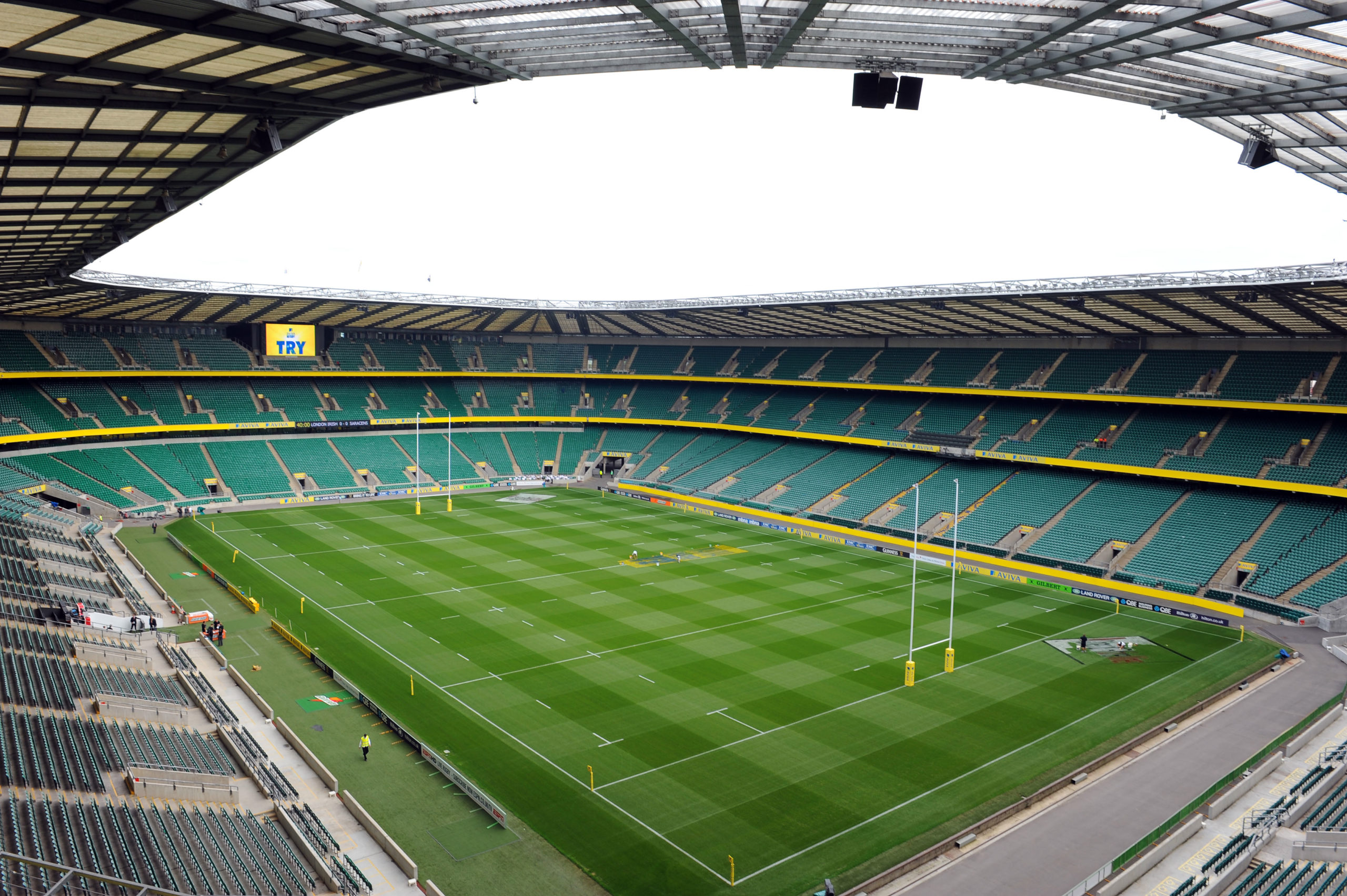
Rugby requires teams to decide when to retain the ball, kick for territory, or attack directly based on field position, score, time, weather, and defense.
Positional Specialisation Creates Collective Strength
Forwards provide scrum stability and lineout accuracy, while backs focus on distribution, acceleration, and exploiting space through coordinated movement.
Science of Rugby Fitness and Recovery
Rugby demands rapid acceleration, high-intensity collisions, and recovery between efforts, requiring strength, speed, and mobility training for optimal performance.
Data-Driven Performance Analysis

Modern rugby uses gain-line success, tackle completion, ruck speed, and set-piece efficiency to understand tactical decisions beyond basic possession metrics.
Wearable Technology in Rugby
Wearable tech tracks movement volume and running intensity but requires context to avoid misinterpreting performance and fatigue levels.
The Breakdown: Critical Moment in Play
After a tackle, players compete to secure or disrupt possession, with body position, arrival timing, and legal technique determining ball control.
Scrum Stability and Attack Options
A controlled scrum gives teams a reliable platform for launching planned moves and creating attacking opportunities.
Lineout Accuracy Improves Possession Quality
Clean ball from a lineout allows teams to execute rehearsed combinations rather than improvise under pressure.
Forward Carrying Generates Momentum
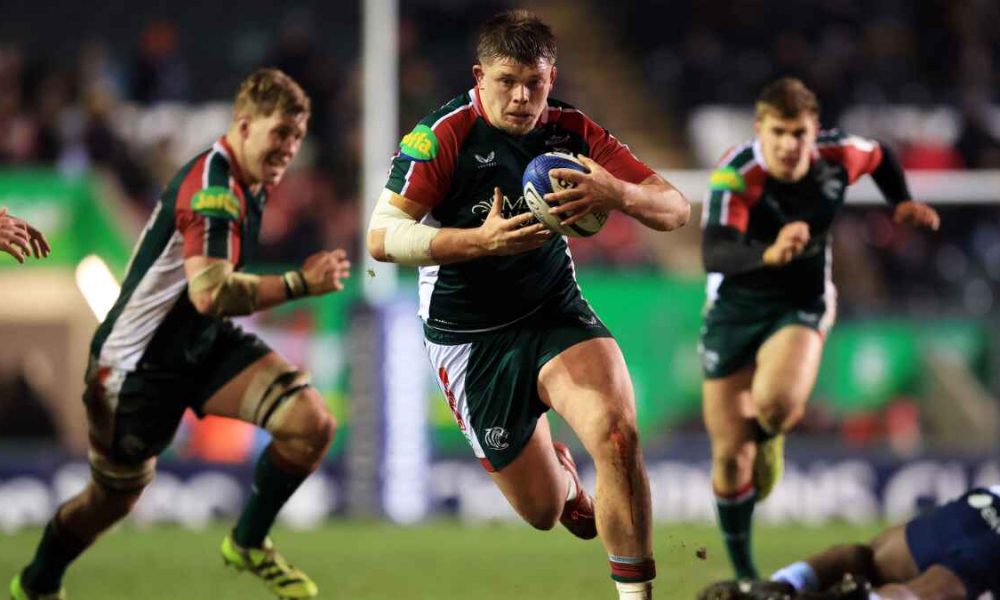
Direct carries force multiple defenders into contact, potentially creating space for the next phase of play.
Half-Back Decision-Making Controls Tempo
Quick distribution exploits disorganized defenses, while slower play manages possession when the team needs control.
Backline Communication Prevents Defensive Fractures
Coordinated positioning helps players cover overlaps and avoid leaving isolated attackers unmarked.
Rugby Positions: Specialised Roles
Props support scrum stability, hookers deliver accurate lineout throws, locks provide height and power, and backs focus on distribution and acceleration.
Physical Preparation Supports Technical Execution
Fitter players reach more breakdowns but must arrive legally, make correct decisions, and execute skills to gain competitive advantage.
Data and Mobile Technology for Supporters
Supporters access live scores, detailed statistics, video analysis, and post-match breakdowns across multiple devices through mobile technology.
Wearable Technology and Performance Insights
Wearable tech tracks movement volume and running intensity but requires context to avoid misinterpreting performance and fatigue levels.
The Future of Rugby Analysis
As performance analysis and digital access develop, both professionals and supporters can examine the game with greater depth through context and individual actions.
The headline
Rugby's strategic depth comes from tactical decisions, physical preparation, and data-driven insights that work together.