From The Rugby Paper · The Rugby Paper Team · · 2m
Rugby's Schoolyard Roots to Global Stage
Rugby evolved from British school games to worldwide sports culture through rule standardization, professionalization, and digital engagement.
In brief
Rugby evolved from British school games to worldwide sports culture through rule standardization, professionalization, and digital engagement. Rugby transformed from 19th-century school football into a global sport with distinct codes, professional structures, and digital fan engagement. Originally reported by The…
Schoolyard Origins
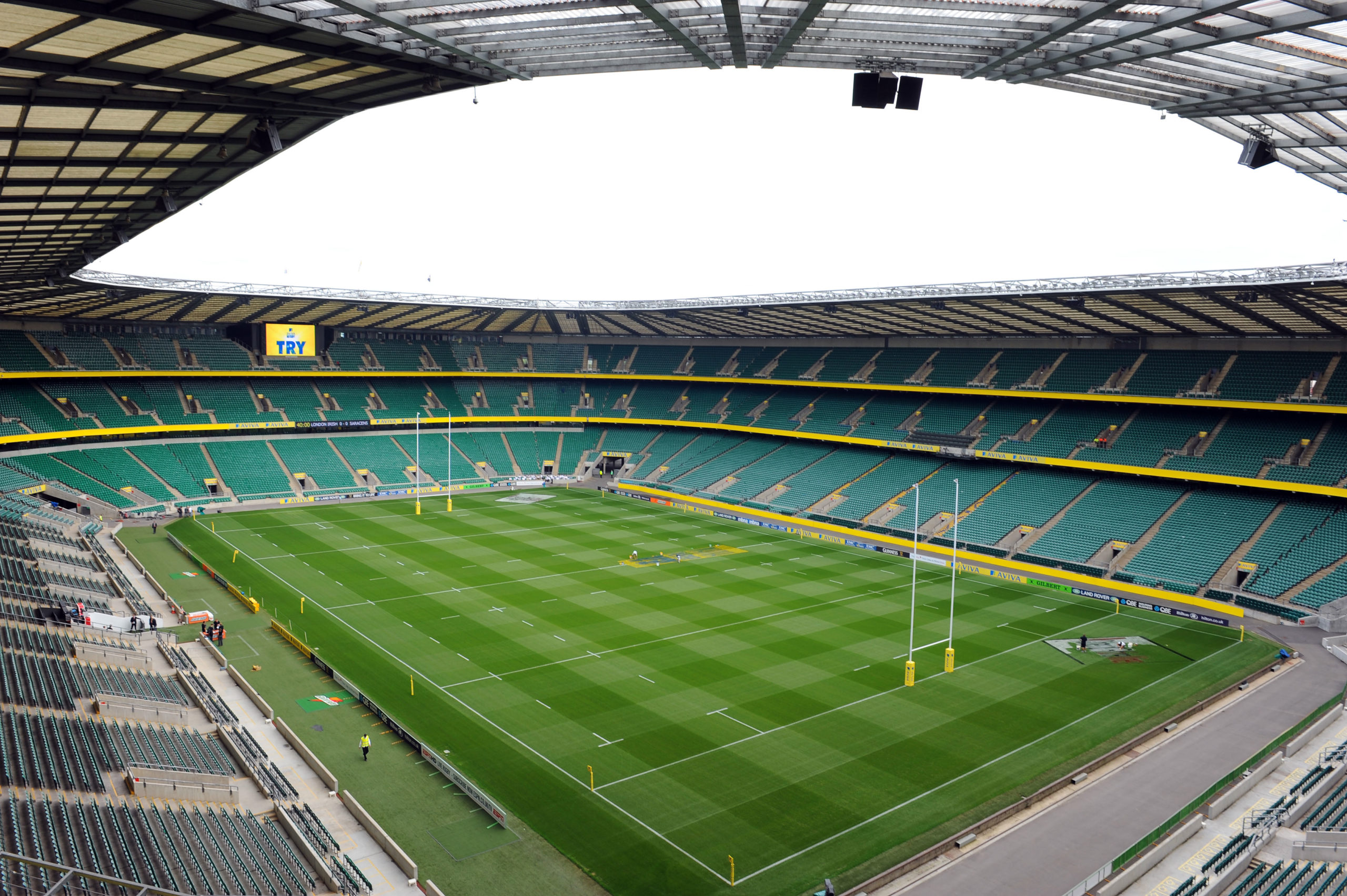
Rugby began as informal school football games in 19th-century England with varying local rules.
“William Webb Ellis picked up the ball and ran with it during a football match in 1823.”
First Written Rules
Rugby School created written rules in 1845 to standardize handling and kicking techniques.
“The 1845 rules helped establish a more consistent framework for the school's football style.”
Formation of Rugby Union
21 English clubs formed the Rugby Football Union in 1871 to standardize rules and organize international play.
“England played Scotland in the first recognized international rugby union match in 1871.”
Global Spread

Rugby spread to Wales, Ireland, Scotland, New Zealand, Australia, and South Africa through schools and migration.
“The game established strong traditions in several countries by the late nineteenth century.”
The 1895 Split
Northern English clubs broke from rugby union in 1895 to form rugby league over player compensation disputes.
“A major dispute over player compensation led clubs in northern england to break away from the rugby football union.”
Amateur Era Challenges
Amateur principles faced pressure from elite training, international travel, and physical risks in the early 20th century.
“Debates about compensation and governance continued throughout the twentieth century.”
Tactical Evolution
Teams developed structured attacking systems, specialized positions, and greater conditioning focus in the 20th century.
“The breakdown, set pieces, defensive organization, and kicking game became increasingly important areas of specialist preparation.”
Professionalism in 1995
Rugby union opened professionalism in 1995, allowing player payments and structured training systems.
“Rugby union officially opened the way to professionalism in 1995.”
Rugby Sevens
Rugby sevens became an Olympic sport in 2016 with shorter matches and faster gameplay.
“The inclusion of rugby sevens at the olympic games in 2016 expanded the sport’s international visibility.”
Digital Engagement
Digital platforms help fans follow matches, results, and team developments across global markets.
“Platforms such as cambodia.1xbet.com/km illustrate how digital sports services can extend audience engagement.”
Modern Challenges
Player welfare, financial sustainability, and equitable access remain key concerns for rugby governance.
“Player welfare, concussion management, financial sustainability, and equitable access to participation remain central concerns.”
Enduring Qualities
Rugby’s appeal comes from competition, teamwork, adaptability, tradition, and accessibility.
“Rugby’s enduring appeal rests on competition, teamwork, adaptability, tradition, and accessibility.”
The Future
Rugby continues evolving with rule changes, technology, and global competition while maintaining its core identity.
“Its rules and methods will continue to change as governing bodies respond to new challenges.”
Global Identity
Rugby’s cultural identity connects players and fans across generations through shared traditions and rivalries.
“The sport’s spread involved building institutions, rivalries, and traditions that could endure across generations.”
Digital Security
Users should prioritize account security when accessing digital sports platforms like betting services.
“Users navigating services such as 1xbet login should prioritize account security, use strong unique passwords.”
The bottom line
Rugby transformed from 19th-century school football into a global sport with distinct codes, professional structures, and digital fan engagement.