From WIRED · Boutayna Chokrane · · 4m
Smart rings track your health without the screen
Wearable rings now offer sleep, fitness and wellness tracking in a discreet package, with prices dropping and options multiplying beyond Oura's early dominance.
In brief
Wearable rings now offer sleep, fitness and wellness tracking in a discreet package, with prices dropping and options multiplying beyond Oura's early dominance. Smart rings are becoming more affordable and diverse, with Oura Ring 5 leading but Samsung, RingConn and others now offering competitive alternatives for…
Rings replace watches for health

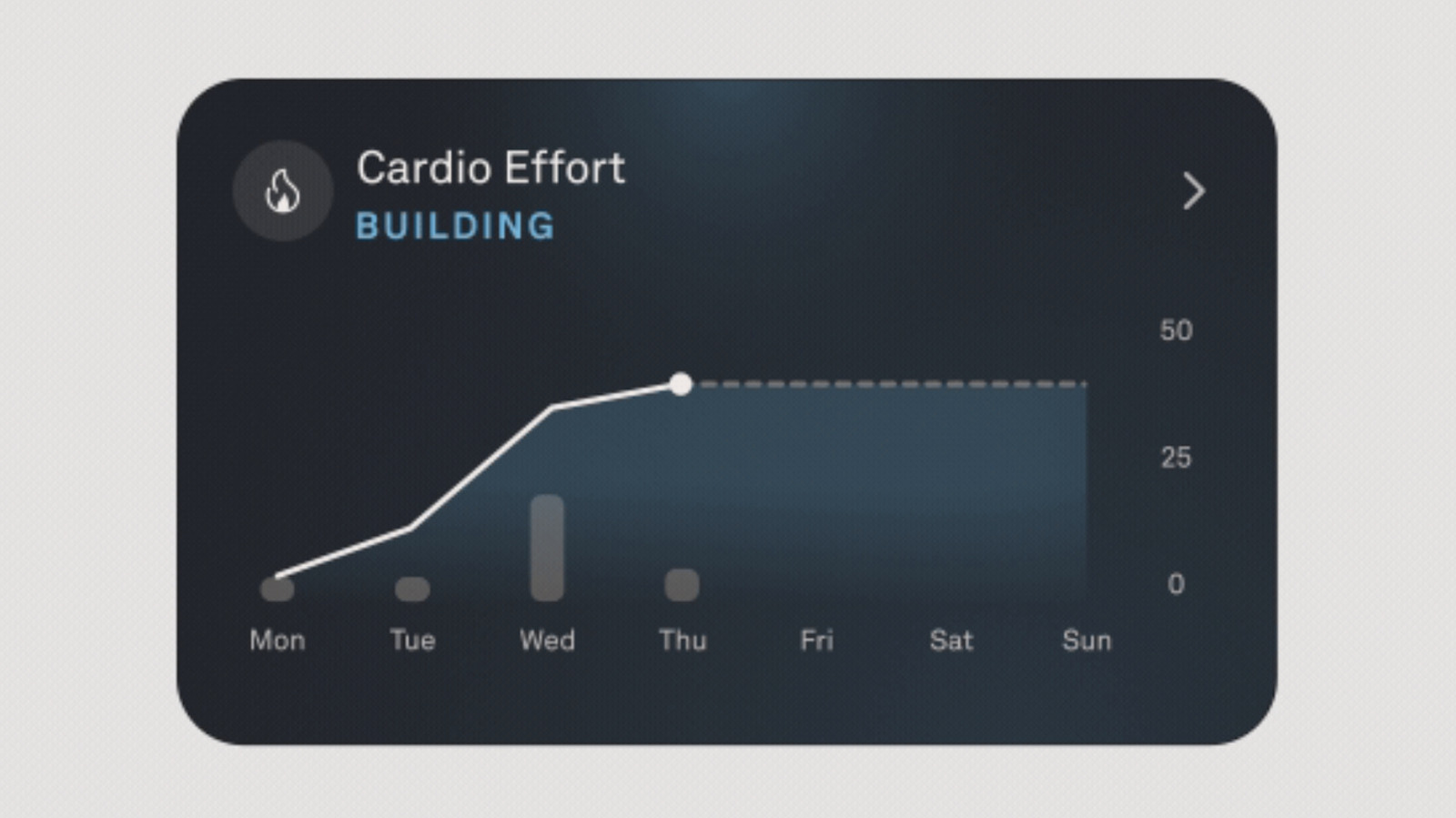
Smart rings track activity, health and sleep passively without screens. Some add meal logging, AI coaching and cycle tracking. No bulky device on your wrist.
Market expands beyond Oura
Once only for wealthy wellness enthusiasts, top smart rings are becoming affordable. Oura Ring 5 costs from three hundred ninety-nine dollars, but Samsung, RingConn and Amazfit now compete.
How WIRED tests smart rings
WIRED wears each ring twenty-four seven for at least a month. Testing covers sleep tracking, fitness tracking, durability, app design, battery life, sizing and overall value.
Oura Ring 5 leads the field

Oura Ring 5 is forty percent smaller than its predecessor, making it one of the comfiest wearables to keep on all day and night. Titanium exterior resists scratches.
Better sensors, longer battery
Ring 5 features redesigned sensors, stronger signal detection and better accuracy. Battery lasts up to nine days of use, a significant improvement over earlier models.
AI health guidance arrives
Oura Advisor answers wellness questions, provides personalized recommendations and identifies patterns across long-term data. New features include blood pressure signals and nighttime breathing insights.
Oura Ring 5 trade-offs
Ring 5 lacks built-in GPS and isn't best for athletes needing live workout stats. Most software additions come to older hardware anyway. Oura membership costs six dollars monthly or seventy dollars annually.
Lawsuit questions sleep tracking
San Francisco's Clarkson Law Firm filed a class-action lawsuit in August alleging Oura rings cannot measure sleep stages and rely on AI models to guess. Court has not yet ruled.
“sleep is defined by brain electrical activity, eye movements, muscle tone, and other signals measured through electrodes placed on the scalp, leads on the eyes, and sensors on the chin”
Oura defends its methods
Oura says it estimates sleep stages using heart rate, heart rate variability, movement, breathing patterns and temperature. Algorithm is informed by research based on more than one thousand two hundred nights of data.
“Like other consumer sleep wearables, Oura Ring estimates sleep stages using multiple physiological signals, including heart rate, heart rate variability, movement, breathing patterns, and temperature.”
RingConn Gen 2 Air: budget option
RingConn Gen 2 Air costs one hundred ninety-nine dollars with no subscription required. Slimmer and lighter than previous models, it tracks steps, calories, heart rate, blood oxygen and sleep.
RingConn adds AI assistant
RingConn added an AI assistant to the app that generates a plan, adjusting targets weekly based on activity and feedback. Feature is fine but doesn't dramatically change user experience.
RingConn Gen 2 Air limitations
Made from cheaper steel with shorter battery life than Gen 2. Cannot detect sleep apnea. Workout tracking is limited and doesn't work well when heart rate is elevated.
Samsung Galaxy Ring for ecosystem
Samsung Galaxy Ring costs three hundred ninety-five dollars with no subscription. Works seamlessly with Galaxy Watch eight series and Galaxy Watch Ultra, extending battery life by trading tasks.
Galaxy Ring accuracy and features
Accuracy is similar to Apple Watch Ultra. Auto-detects workouts including pool workouts. Cycle-tracking feature powered by Natural Cycles uses skin-temperature sensing to predict period timing.
Galaxy Ring requires Samsung ecosystem
Most useful features like Energy Score and Booster Cards rely on Galaxy AI, only visible with Android phone and Samsung Health app. Lacks gyroscope, making sleep tracking generous.
Rings beat watches for sleep
Smart rings often outperform smartwatches for sleep tracking. They fit securely on finger, maintaining skin contact throughout night for consistent readings. Longer battery life means less overnight charging.
Rings look like jewelry
Smart rings are compact and available in finishes that look like everyday jewelry. Discreet design suits formal occasions where smartwatch looks out of place. Low-profile health tracking option.
Sizing and fit matter most
Most manufacturers send free sizing kits to ensure proper fit. Ring should be snug for accurate sensor readings but not so tight it restricts blood flow. Fingers swell and shrink throughout day.
Wear on index finger for best results
Most manufacturers recommend wearing smart rings on index finger for best accuracy. Middle or ring finger can also work. These three fingers have large blood vessels for accurate pulse monitoring.
Battery life spans five to eight days
Most smart rings need charging every five to eight days. From dead, they take one and a half to three hours to fully charge. Avoid letting battery run down completely or lose health data.
The takeaway
Smart rings are becoming more affordable and diverse, with Oura Ring 5 leading but Samsung, RingConn and others now offering competitive alternatives for health tracking without smartwatch screens.