From Wellbeing Magazine · Editorial Team · · 4m
AI gave my ideas a way to be seen
A non-designer discovers how AI image generators close the gap between imagination and execution.
In brief
A non-designer discovers how AI image generators close the gap between imagination and execution. AI tools remove technical barriers to making ideas visible, but the creative vision still has to come from you. Originally reported by Wellbeing Magazine.
The gap between mind and reality
For years, the author had clear creative visions but couldn't make them real without hiring a designer. The distance between imagination and execution felt impossible to close alone.
Higgsfield changed everything
Discovering an AI image generator on the Higgsfield platform finally gave those ideas somewhere to land. It's one tool among many, including video and voice generation, all in one workspace.
The idea was always mine
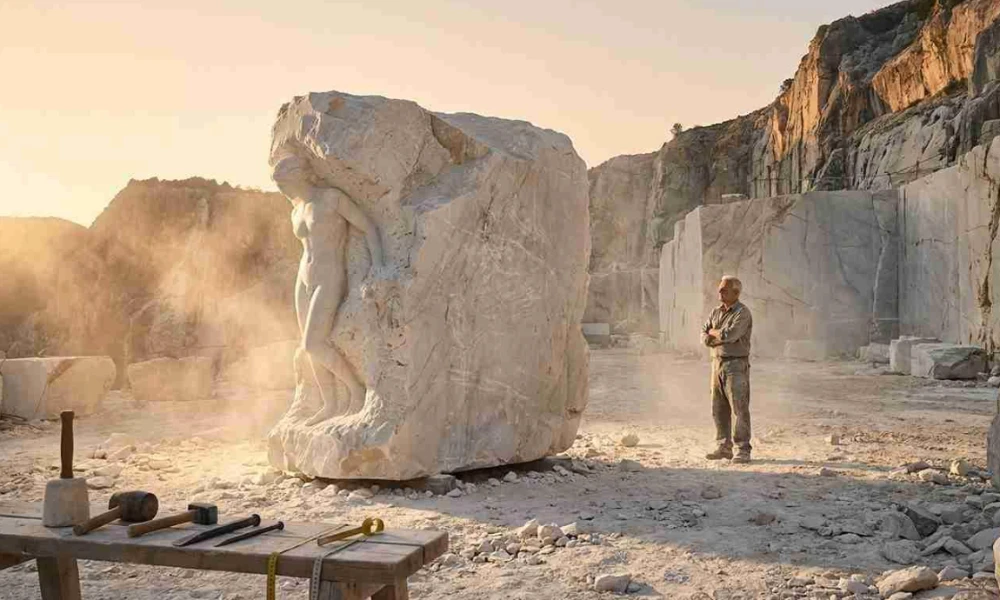
The author's taste, eye for composition, and years of noticing light and design didn't change. What changed was the speed: ideas that used to wait months could now be tested in hours.
Generic prompts make generic images
A vague description like 'peaceful morning scene' produces something anyone could have made. Real results come from specific memories, textures, and details that make something feel personal.
The tool removes the bottleneck
Higgsfield doesn't create the vision. It removes the technical barrier that used to require years of software training or hiring someone else to execute the idea.
Different models, different results
The same description produces different outputs from different AI models. Some are photorealistic, others painterly. Higgsfield offers access to a dozen models, letting you match the tool to the idea.
Models include Nano Banana Pro, GPT Image, Seedream, and FLUX
Having multiple models in one workspace changed how the author approaches new ideas. Being able to try the same concept different ways in minutes builds confidence in first instincts.
Most first attempts are flat
The author's early generated images were forgettable. The ones actually used came after refining, rejecting, and adjusting until they matched what was actually being tried to say.
Editing tools matter more than generation
Higgsfield's editing tools let you adjust one element at a time without losing what's working. The difference between a draft and something worth publishing lives in those small, deliberate adjustments.
Think of first results as sketches
The initial generated image tells you if an idea has potential and which direction to pursue. The actual work happens in the rounds of adjustment that follow, comparing against what you pictured.
What this actually frees up
The real value isn't producing more content faster. It's testing ideas that seemed too expensive or difficult before. Now you can find out in an afternoon whether an idea is worth pursuing.
Ideas you'd skip before now get tested
Visual ideas that would have required booking shoots and briefing designers often didn't happen. Now the cost of finding out is low enough to take more ideas seriously.
Where the author still draws a line
AI-generated images don't work for genuinely personal photographs or memories that matter because they're real. But for mood boards, concept images, and visual language, generated images work well.
Honesty is about intention, not origin
The honesty isn't in the image being untouched. It's in the image actually representing something meant. Editing tools made it easier to hold onto this distinction than expected.
Start smaller than you think
The author's first attempts were throwaway experiments testing whether a feeling could exist as an image. This low-stakes starting point matters more than trying to produce something polished immediately.
Listen to what still bothers you
If a generated image technically does what you asked but feels wrong, that discomfort is worth listening to. It usually means the description didn't carry enough of what you actually meant.
AI is a mirror, not a creator
AI reflects the knowledge, experience, and imagination of the person using it. The quality of results depends on what's placed in front of it, not on the tool itself.
“AI is a mirror reflecting the knowledge, experience, and imagination of the person using it”
The tool was never the interesting part
An AI image generator didn't teach the author composition or emotional honesty. Those came from years of paying attention to what moves them. The tool is an instrument, not a shortcut.
Ideas don't have to wait anymore
The shift is simple: ideas that used to wait months for the right circumstances can now exist the same week they're conceived. For anyone sitting on good ideas, that's worth taking seriously.
The takeaway
AI tools remove technical barriers to making ideas visible, but the creative vision still has to come from you.