From Wellbeing Magazine · Editorial Team · · 3m
CPR is self-care for the people you love
Learning CPR offers genuine peace of mind by preparing you to save someone close to you in their moment of greatest need.
In brief
Learning CPR offers genuine peace of mind by preparing you to save someone close to you in their moment of greatest need. CPR training is a practical wellness skill that replaces helplessness with readiness, and effective bystander CPR more than doubles survival chances in cardiac arrest. Originally reported by…
Self-care that protects others
Most self-care points inward, but learning CPR offers something rare: the calm certainty of knowing what to do if someone near you collapses. Around eight in ten out-of-hospital cardiac arrests happen at home or in a private residence, not with strangers.
“It's about being able to protect the people you love, which is, when you sit with it, the deepest kind of care there is.”
The fear we don't name
There's a quiet helplessness in the gap between something terrible could happen and I wouldn't know what to do. Competence is the antidote. Building a skill you hope never to use puts down a worry you've been carrying without noticing it.
“That shift, from dread to preparedness, is its own form of peace.”
Survival rates are fragile
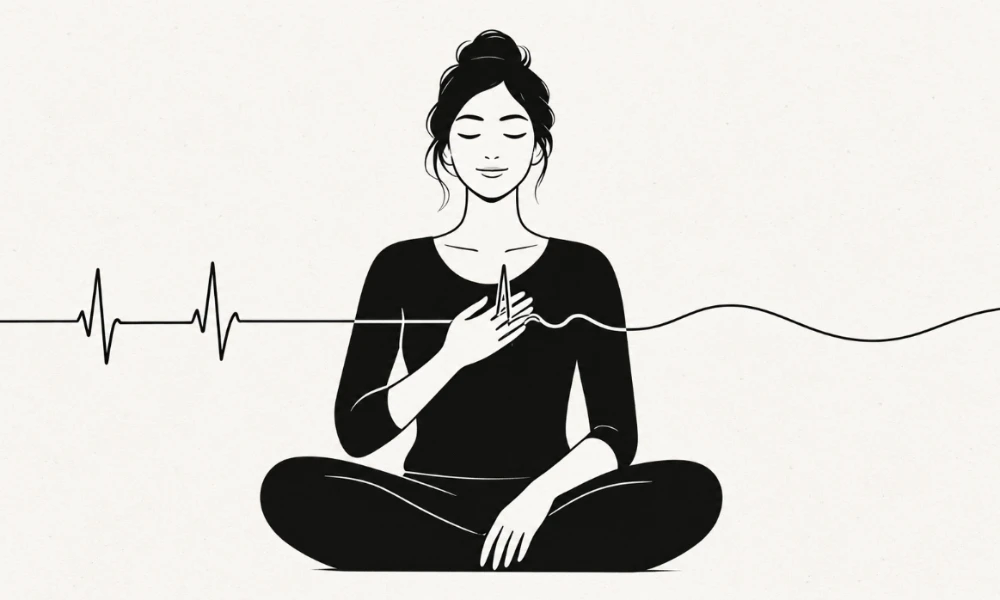
Across England, fewer than one in ten people survive an out-of-hospital cardiac arrest, with around 7.8% still alive 30 days later. UK ambulance services respond to roughly 30,000 of these events every year.
Bystander CPR doubles survival
The single greatest influence on survival is what an ordinary person does in the minutes before the ambulance arrives. Effective bystander CPR more than doubles a person's chance of survival, and with a defibrillator added, the increase reaches two to four-fold.
CPR buys time, not fixes
CPR doesn't restart a stopped heart, that's the work of a defibrillator and paramedics. What it does is keep oxygen-rich blood moving to the brain, buying precious time until help arrives. You're keeping someone here long enough for help to reach them.
The defibrillator gap
In England, bystanders attempt CPR in around seven of ten cases, yet a public defibrillator is used in fewer than one in ten. That gap is exactly where a little knowledge changes outcomes.
Hands-only CPR is enough
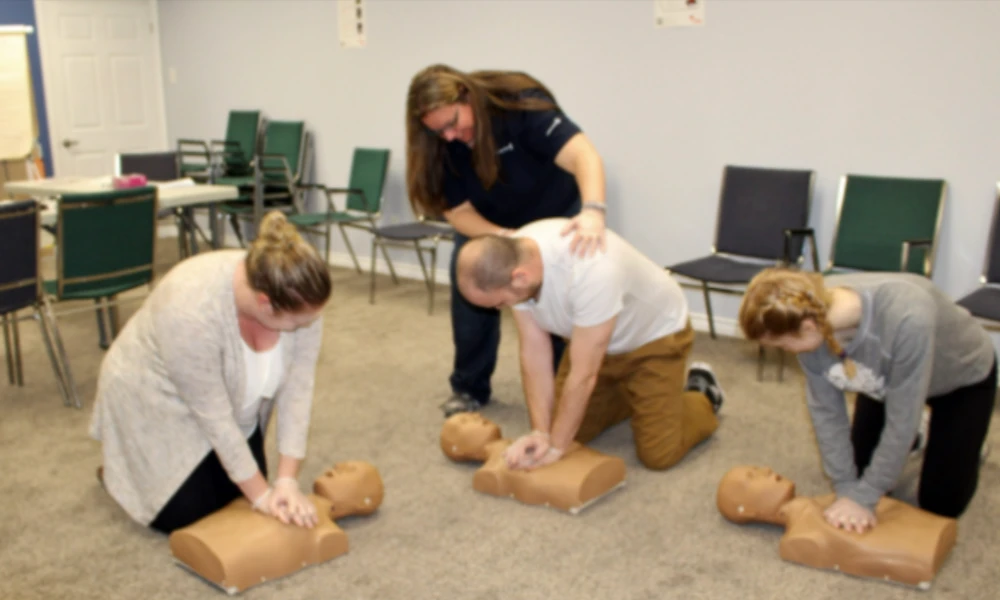
For an adult who has collapsed, you don't need rescue breaths. Push hard and fast in the centre of the chest at 100 to 120 compressions a minute, to a depth of at least 5 centimetres but no more than 6 centimetres. Many people find the tempo by pushing in time with the Bee Gees' Stayin' Alive.
Gasping is not recovery
Slow, irregular, gasping breathing after someone collapses is not a sign of recovery. It's a sign of cardiac arrest and a signal to begin compressions. This one detail trips people up, so it's worth knowing in advance.
Training replaces fear with readiness
Reading about CPR isn't the same as being trained. A hands-on course lets you feel how firmly you have to press, practise the rhythm until it feels natural, and discover that a defibrillator simply talks you through each step. Fear gets replaced by quiet knowledge.
“By the time you leave, the fear has been replaced by something steadier, the quiet knowledge that if the moment ever came, your hands would already know the way.”
Where to learn CPR
Choose an accredited provider that teaches in person. The British Red Cross and St John Ambulance run courses across the UK. The Resuscitation Council UK's free online tool, RevivR, can teach the basics in about fifteen minutes.
Peace of mind you keep for life
Most wellness purchases are used up and gone. CPR is different. You learn it once, top it up now and then, and carry it for life. It costs an afternoon and returns something no product can: the settled confidence of a person who would know what to do.
“Sometimes it's a skill.”
The big picture
CPR training is a practical wellness skill that replaces helplessness with readiness, and effective bystander CPR more than doubles survival chances in cardiac arrest.