From 24/7 Wall St. · Chris Lange · · 1m 10s
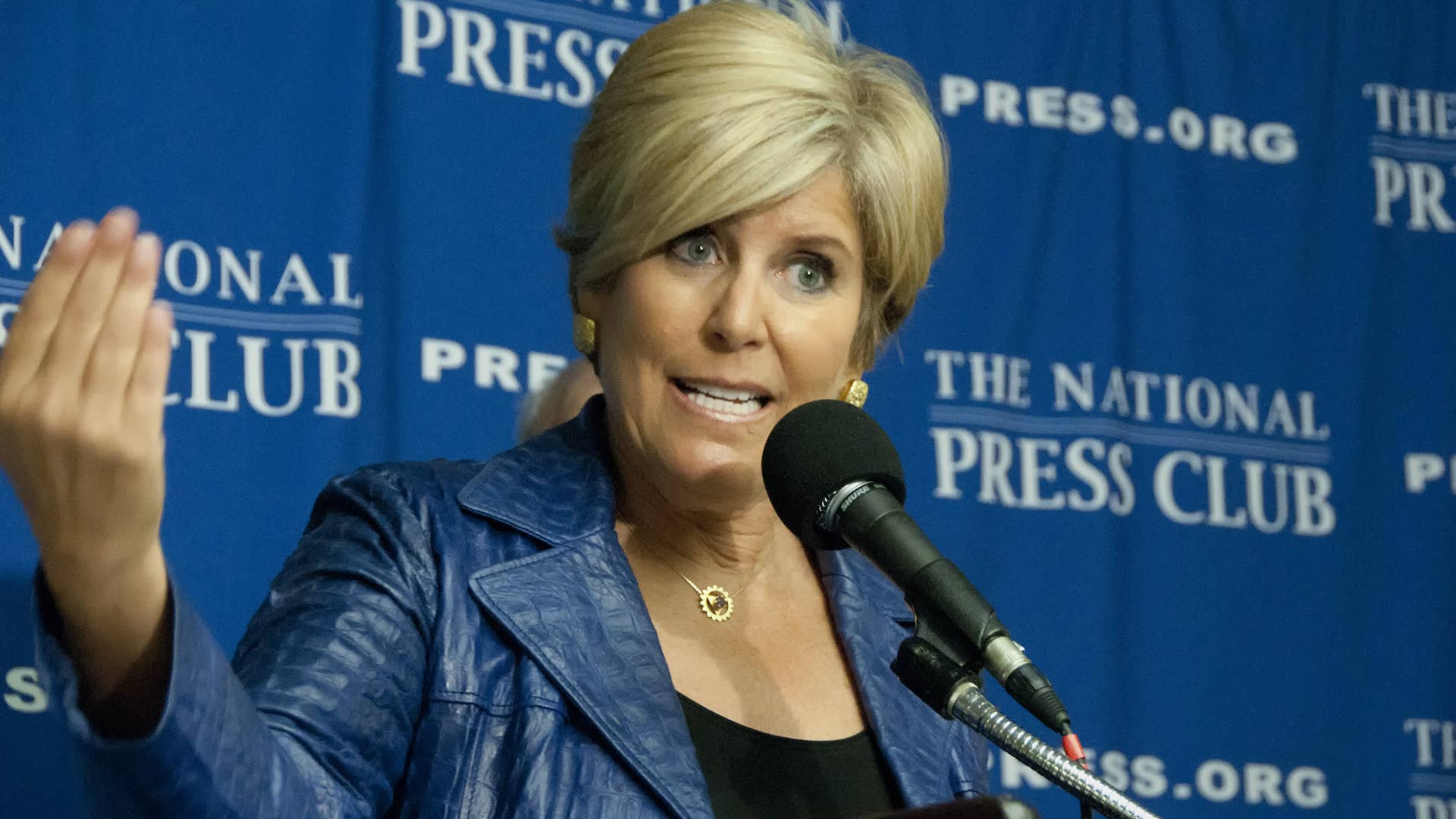
Matthew Hornbach on Unemployment Risk to Rates
Falling unemployment could push rates higher, hurting retirees' income.
In brief
Falling unemployment could push rates higher, hurting retirees' income. Matthew Hornbach warns falling unemployment risks higher interest rates, impacting retirees' bonds, CDs, and dividends. Originally reported by 24/7 Wall St..
Matthew Hornbach's Warning

Matthew Hornbach says falling unemployment is the real risk to higher interest rates next year.
“The real risk to dramatically higher interest rates next year is we start to see the unemployment rate trend lower.”
Why Fewer Jobless Workers Push Rates Up
A falling unemployment rate takes away Fed room to cut rates, as higher wages feed into prices.
October 2026 Unemployment Data
The U.S. unemployment rate stood at 4.1% for October 2026, down from 4.2% in September 2026.
10-Year Treasury Yield Trend
The 10-year Treasury yield rose from 3.97% to 4.86% in November 2026, peaking at 5.31% in October 2026.
Impact on Retirees' Income
Higher rates hurt bond prices, boost new CD rates, increase borrowing costs, and pressure dividend stocks.
Realty Income's Rate Sensitivity
Realty Income's dividend yield is 5.16%, but higher rates increase its interest costs by 13.3%.
Realty Income's Strong Performance
Realty Income beat revenue estimates with $1.62 billion, a 10.3% year-over-year increase.
Signals to Track Before 2027
Retirees should monitor monthly unemployment rates and Treasury yields to adjust their investments.
The key point
Matthew Hornbach warns falling unemployment risks higher interest rates, impacting retirees' bonds, CDs, and dividends.